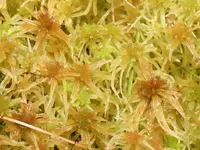
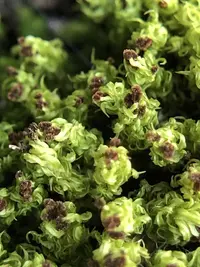
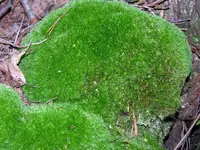
orthotrichum moss Care (Lewinskya affinis)

Also known as: Wood Bristle-moss
orthotrichum moss

About orthotrichum moss

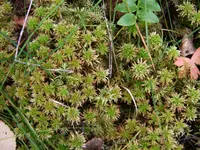
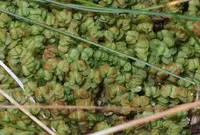
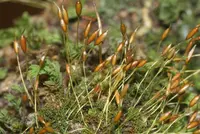
Orthotrichum moss, now often placed in the genus Lewinskya, is a small cushion-forming moss commonly found on tree bark, rocks, and old walls. It forms dense, tufted mats of fine green leaves that can turn slightly brownish when dry, then quickly revive with moisture.

Lewinskya affinis is widespread in temperate regions and frequently appears in clean, humid air environments, making it a useful indicator of good air quality. It stays compact and slow-growing, which makes it relatively easy to manage in small displays or terrariums.

Light shade, constant moisture, and a stable, rough surface help support healthy growth. Understanding how to care for orthotrichum moss starts with mimicking its cool, damp, sheltered natural habitats.

Main Plant Requirements

Care Difficulty

Moderate Care

Light Preference

Partial Shade

Water Requirements

Keep Soil Moist

Temperature Preference

Cold Hardy

Hardiness Zone

3–9

Soil Texture

Rocky, Organic-rich, Loamy

Soil pH

Acidic (5.5–6.5)

Soil Drainage

Moist but well-drained

Fertilization

Minimal (feed rarely)

Get Personalized Care Plan

Scan your plant to receive care tips personalized for your specific plant

Available on iOS and Android

How to Care for the orthotrichum moss

Lewinskya affinis prefers cool, soft light conditions that mimic shaded rock or bark habitats.

  • Provide bright, indirect light or dappled shade, such as 2–4 hours of gentle morning sun with protection from strong midday and afternoon rays.
  • Tolerates deep shade but growth becomes thinner and slower; moss cushions stay densest in partial shade under trees or on the shaded side of walls.
  • Direct, intense sun for more than 3–4 hours can dry and bleach the moss; in summer, favor north or east exposure for stable light levels, similar to many orthotrichum moss species.

This moss prefers consistently moist surfaces without staying waterlogged.

  • Allow the substrate surface to stay slightly damp; if it feels dry and the moss looks dull or slightly crisp at the tips, re-wet with a fine mist or gentle flow.
  • In cool, rainy seasons, natural precipitation is often enough; in dry or windy periods, water whenever the substrate dries, sometimes daily on exposed rocks or bark.
  • If water pools or the base stays soggy and brown, drainage is poor; healthier Lewinskya affinis shows firm, springy cushions that rehydrate quickly after misting.

This species is adapted to cool to mild climates with moderate seasonal variation.

  • Best growth occurs around 50–68°F (10–20°C), where moisture loss is slower and cushions remain dense and green.
  • Tolerates winter chills down to about 14–23°F (-10 to -5°C) when attached to natural substrates, though prolonged freeze–thaw cycles can damage exposed patches.
  • Handles summer warmth up to about 77–82°F (25–28°C) if humidity stays high and direct sun is limited; above this, drying accelerates and frequent rehydration is needed.

Lewinskya affinis prefers consistently moist, cool air and reacts quickly to drying conditions.

  • Aim for 60–90% humidity, as this orthotrichum moss-type species is adapted to humid, shaded rock and bark surfaces.
  • In dry indoor air below 50%, leaf tips shrivel, cushions look dull and patchy, and growth slows noticeably.
  • Increase humidity with a covered terrarium, pebble tray with water beneath (not touching) the substrate, or frequent fine misting in the morning.

Lewinskya affinis grows best on a thin, airy, moisture-retentive substrate rather than dense garden soil.

  • Use a mix of 50–70% fine, fibrous materials such as chopped sphagnum or leaf litter plus 30–50% inert grit like fine sand or poultry grit for structure.
  • Ensure very sharp drainage so water runs through immediately, mimicking rain over rock or bark rather than pooling around the rhizoids.
  • Keep pH slightly acidic to neutral, around 5.5–7.0, which supports stable growth and limits nutrient shock from alkaline materials.
  • Avoid compact, clay-rich, or heavily fertilized mixes; if the surface crusts or smells sour, loosen gently and blend in extra sand or fine bark to restore aeration.

This moss is suitable for shallow container culture, trays, or terraria that allow stable surface moisture without waterlogging.

  • Choose wide, shallow containers so the moss can spread in a thin carpet rather than forming deep, unstable cushions.
  • Select plastic or glazed ceramic over unglazed terracotta when slower evaporation is desired to keep the surface evenly moist.
  • Elevate the container slightly and use a free-draining undertray so excess water can escape quickly and not wick back into the moss layer.

Lewinskya affinis, a small moss, needs very limited nutrition when grown in culture or as orthotrichum moss indoor care.

  • Use a very dilute balanced liquid fertilizer (around 1/8–1/4 strength) formulated for mosses or acid-loving plants.
  • Apply only during active growth in spring–summer, about every 4–6 weeks, and skip feeding in winter dormancy.
  • Mist the fertilizer solution onto moist substrates, never onto completely dry moss, to avoid tissue burn.

Lewinskya affinis needs only light, corrective pruning to keep cultivated cushions neat and healthy.

  • Trim away dead, browned, or damaged tufts with fine scissors during active growth in spring or early autumn.
  • Thin overcrowded patches slightly to improve air movement and reduce the risk of fungal problems.
  • Shape edges gently, cutting just the outermost tips to maintain natural cushion form without scalping the colony.

Lewinskya affinis is usually transplanted as mats or patches rather than repotted like a typical potted plant.

  • Transplant when growth looks crowded, patch edges lift, or substrate breaks down and no longer retains even moisture.
  • Choose cool, moist periods in spring or early autumn for best establishment and lower stress.
  • Lift moss with a thin layer of underlying substrate, keeping mats intact to protect delicate rhizoids.
  • Press gently onto the new surface, mist thoroughly, and keep humidity high and light moderate for 2–3 weeks.

Lewinskya affinis is commonly propagated by division of small cushions and by spores under controlled conditions.

  • Divide healthy cushions into small plugs in spring or early autumn, keeping each piece attached to a bit of substrate.
  • Press divisions onto fresh, clean, moist surfaces and maintain high humidity with gentle, indirect light.
  • For spores, sow on sterile, fine-textured medium kept consistently moist and avoid temperature extremes.
  • Limit handling after placing divisions or spores, since disturbance slows anchoring and new growth.

Lewinskya affinis is cold hardy in many temperate climates and usually needs minimal winter care outdoors.

  • Ensure natural or artificial shade so frozen moss is not exposed to intense sun that can cause desiccation.
  • In containers, keep substrate barely moist, not saturated, to prevent freeze–thaw damage to roots and rhizoids.
  • Move small trays or mounted pieces into a cold but frost-free area if prolonged hard freezes are expected.

Care Tips

Substrate anchoring

Press the moss gently but firmly onto rough, stable surfaces such as textured bark, porous rock, or unglazed clay so the rhizoids can attach quickly and resist dislodging by wind or water.

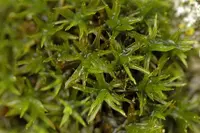
Targeted misting pattern

Use a fine mister angled slightly upward and spray across the colony from 20–30 cm away so droplets fall like light rain, which hydrates shoots evenly without physically breaking or washing them away.

Seasonal hydration pause

In climates with hot, dry summers, allow the moss to enter natural dormancy by reducing misting frequency and only rehydrating when shoots become crisp rather than trying to keep it constantly moist.

Gentle colony thinning

Once established, carefully lift and remove small, weak, or shaded patches with tweezers to improve air movement and light penetration, which helps the remaining cushions stay denser and healthier.

Spore-safe positioning

Place mature cushions in a stable, semi-sheltered spot where capsules are not brushed or sprayed directly so spores can disperse naturally and support growing orthotrichum moss on nearby surfaces.

Common Pests and Diseases

Desiccation stress

Symptoms include browning, crisping, and fragmentation of moss cushions, especially on exposed, sun‑facing surfaces. This problem occurs when plants dry too completely or remain dry for prolonged periods between natural misting or rainfall.

Solution

Maintain regular gentle moisture by misting with non‑calcareous water and shielding the colony from strong drying winds and full midday sun. In container or orthotrichum moss indoor care setups, avoid direct heat sources, increase local humidity, and provide brief, thorough rewetting rather than frequent light sprinkles that evaporate immediately.

Atmospheric pollution damage

This disease‑like injury appears as bleaching, thinning, and loss of cushions in areas with vehicle exhaust, industrial emissions, or heavy urban pollution. Sensitive moss shoots may die back, leaving patchy, bare bark or stone surfaces.

Solution

Reduce exposure by establishing colonies in cleaner microhabitats such as sheltered garden walls, older trees away from major roads, or indoor displays with good air filtration. Where outdoor air quality is poor, relocate portions of the colony to less polluted sites and avoid using herbicides or harsh chemicals nearby.

Bark substrate instability

Symptoms include whole cushions slipping, detaching, or tearing when host tree bark exfoliates or decays more rapidly than the moss can recolonize. This problem is common on very flaky bark or on branches with physical damage.

Solution

Select host trees or branches with firm, relatively stable bark and avoid frequently pruned or damaged wood. If growing Lewinskya affinis on movable substrates, use rough, long‑lasting surfaces (unglazed clay, aged wood) and handle mounted pieces carefully to prevent mechanical disturbance.

Prolonged waterlogging

This disorder appears as limp, pale, or darkened cushions that fail to re‑green properly after saturation, often accompanied by foul odor from anaerobic (oxygen‑poor) conditions. Constant submersion or poor drainage encourages decay of the lower parts of the cushions.

Solution

Provide intermittent wetting rather than permanent standing water, allowing surfaces to drain and air out between soakings. Mount colonies on vertical or sloped substrates with good runoff, avoid placing containers in saucers of water, and improve air movement around the moss to speed surface drying while maintaining overall humidity.

Algal overgrowth

This problem shows up as slick green films or patches covering the moss surface, smothering the shoots and reducing photosynthesis. Over time, moss cushions may thin out and lose vigor under the algal layer.

Solution

Increase air movement and reduce constant surface wetness by spacing mounts and improving drainage, while maintaining general humidity. Gently rinse affected areas with soft water and, if necessary, physically lift or trim the most heavily overgrown patches to expose healthy moss to light and air again.

Interesting Facts

Urban pollution tolerance

This species often colonizes tree trunks in towns and cities and shows a relatively high tolerance to atmospheric pollution compared with many other epiphytic mosses, which makes it a useful indicator for moderately disturbed urban environments.

Distinctive leaf border

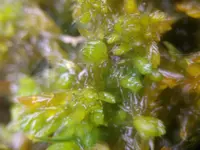
Its narrow, recurved leaf margins form a distinct border visible under a hand lens, helping bryologists separate it from similar Lewinskya and Orthotrichum species during field identification.

Immersed capsule stage

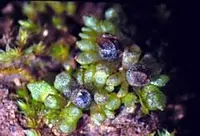
The spore capsules remain mostly immersed among the upper leaves for much of their development and only become more evident as they mature and dry, a feature that helps distinguish it from some related species with more obviously exserted capsules.

FAQs about orthotrichum moss

Brown, crisp foliage usually indicates prolonged dryness, direct hot sun, or low humidity. Rehydrate gradually by misting and soaking the substrate briefly, then maintain consistently moist conditions without waterlogging to prevent further tissue death and fragmentation.

Grow Healthy Plants with Botan Care

Keep your plants happy and healthy with plant identification, disease detection, and easy care guidance.

Botan plant care app — identify plants on mobile

Explore More Plants