Shallow tray setup
Use a wide, shallow tray or basin with 2–5 cm of rainwater or distilled water to encourage dense lateral spreading instead of tall, weak growth when growing sphagnum.

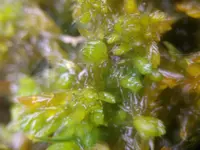
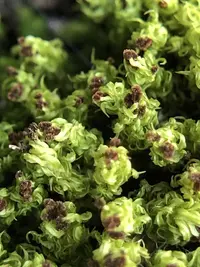
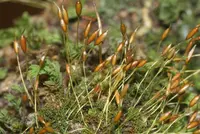
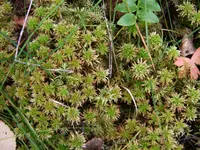
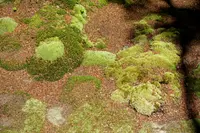
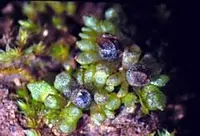
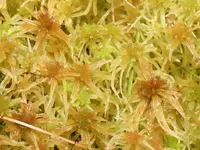
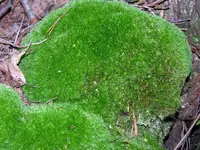
Sphagnum denticulatum is a small moss that forms soft, dense cushions or mats, often with a bright green to yellow-green color. It grows from clustered stems with many fine, water-holding leaves.
This species is naturally found in bogs, wetlands, and damp forest floors, especially in cool, moist climates. It is adapted to very wet, acidic conditions and does not tolerate drying out well.
Because it is specialized for saturated, low-nutrient habitats, it can be challenging to keep healthy in typical home conditions. Understanding how to care for sphagnum starts with providing constant moisture, gentle light, and good air movement.

Care Difficulty
Moderate Care

Light Preference
Partial Shade

Water Requirements
Aquatic

Temperature Preference
Cool Climate

Hardiness Zone
3–8

Soil Texture
Peaty, Organic-rich, Silty

Soil pH
Strongly acidic (4.5–5.5)

Soil Drainage
Waterlogged tolerant

Fertilization
Minimal (feed rarely)
Scan your plant to receive care tips personalized for your specific plant
Available on iOS and Android
This moss prefers bright, indirect light that mimics open, moist bog conditions.
This species needs constantly moist conditions and does not tolerate drying out.
This moss grows best in cool to mild conditions typical of temperate bogs.
This moss needs very high, stable humidity to remain actively growing and green.
This species grows best on saturated, acidic, low-nutrient substrates rather than typical potting soil.
This moss is suitable for shallow containers, trays, and terrariums when moisture and stability are well managed.
This moss has very low nutrient demand and usually performs best with minimal to no fertilization.
Pruning Sphagnum denticulatum is mainly for tidiness and to maintain healthy, dense mats.
Transplanting Sphagnum denticulatum is needed only when growth outgrows the container or culture tray.
Sphagnum denticulatum is commonly propagated vegetatively from small living fragments rather than from spores at home.
Outdoor sphagnum cultures are cool tolerant but need some protection from severe freezing and drying winds in many climates.

Plant Health Check
Not sure what's wrong with your plant? Check your plant's health inside the app.
Sphagnum denticulatum frequently colonizes very nutrient-poor, mineral-deficient wetlands, where its growth slowly acidifies the environment and helps create conditions that favor peat formation and exclude many competing plants.
Under a microscope, its leaves show denticulate (finely toothed) hyaline cells along the margins, a feature used by bryologists to distinguish it from closely related Sphagnum species in the field and lab.
This species has an oceanic distribution pattern, occurring from western Europe to Macaronesian islands such as the Azores and Madeira, often in humid, mild climates influenced by nearby seas and oceans.
Growth is relatively slow, usually adding a few cm per year in cultivation. It spreads by extending stem tips rather than producing stems quickly. Stable moisture, cool temperatures, and soft, low‑nutrient water noticeably improve growth rate.
Keep your plants happy and healthy with plant identification, disease detection, and easy care guidance.