Substrate Pre-conditioning
Before planting, soak the chosen rock, brick, or compacted soil substrate in clean, dechlorinated water for 24 hours so the surface is fully hydrated and more easily colonized by the moss protonema.

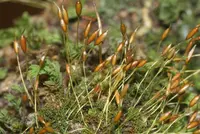
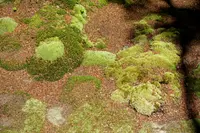
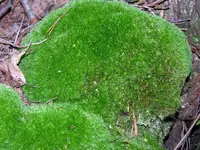
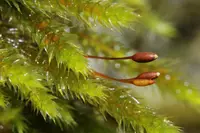
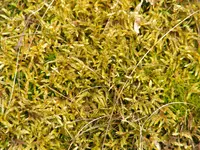
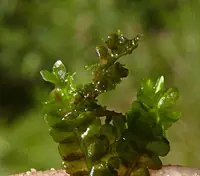
Weissia controversa, sometimes called Weissia moss, is a small acrocarpous moss that forms dense, low cushions on soil, stone, or compacted ground. Its shoots are upright and fine-textured, giving a soft, velvety look at close range.
This species occurs widely across temperate regions, including much of North America and Europe, especially in open, disturbed, or somewhat dry sites. It tolerates moderate foot traffic and fluctuating moisture, which makes it relatively adaptable but slower to establish than many carpet-forming mosses.
Weissia controversa prefers bright, indirect light to light shade, stable moisture, and mineral soils rather than thick leaf litter. These traits matter when learning how to care for controverial weissia moss in gardens, rockeries, or moss displays.

Care Difficulty
Moderate Care

Light Preference
Partial Shade

Water Requirements
Keep Soil Moist

Temperature Preference
Cool Climate

Hardiness Zone
3–9

Soil Texture
Loamy, Silty, Organic-rich

Soil pH
Acidic (5.5–6.5), Slightly acidic (6.5–7.0)

Soil Drainage
Moist but well-drained

Fertilization
Minimal (feed rarely)
Scan your plant to receive care tips personalized for your specific plant
Available on iOS and Android
This small moss prefers cool, gentle light similar to a shaded woodland edge.
Weissia controversa prefers constantly moist but not stagnant conditions around its rhizoids (anchoring structures).
This moss is a cool‑temperate species that tolerates a broad range of outdoor conditions.
This moss prefers consistently moist air but survives brief drier periods if not allowed to desiccate fully.
Weissia controversa grows best on thin, stable, mineral-based substrates rather than deep, rich potting mixes.
This species can be grown in shallow containers or trays when its natural, thin substrate conditions are imitated.
This moss gains most nutrients from rainwater and its substrate, so additional feeding is minimal for caring for controverial weissia moss.
Pruning needs for Weissia controversa are limited and mainly involve cosmetic grooming.
This moss is usually grown on rocks, soil, or wood, so transplanting focuses on moving patches rather than classic repotting.
Weissia controversa is commonly propagated by division and spore sowing under controlled moisture.
This moss is naturally cold hardy and usually needs no special winter protection in temperate climates.

Plant Health Check
Not sure what's wrong with your plant? Check your plant's health inside the app.
This moss commonly colonizes compacted, nutrient-poor soils on paths, roadside banks, and disturbed ground, where many other bryophytes struggle to establish.
Populations occur from lowlands to upland habitats in temperate regions, showing a broad tolerance to temperature and exposure compared with many more moisture-dependent mosses.
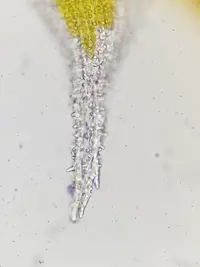
The leaves have a strong midrib (costa) that often extends beyond the leaf tip as a short hair-like point, a diagnostic character used by bryologists to confirm identification of this species.

Weissia controversa is considered a classic model species in bryology for illustrating how a single moss can thrive in heavily disturbed, human-influenced habitats such as pavements, old mortar, and compact urban soils, making it a frequently cited example in moss floras and identification guides.
This species performs more reliably outdoors on compact soil, concrete, or stone in temperate climates. Indoors, stable moisture and high humidity are difficult to maintain, so controverial weissia moss indoor care is usually short-term and mostly experimental.
Keep your plants happy and healthy with plant identification, disease detection, and easy care guidance.