

Anchor To Substrate
Gently press the moss onto rough, stable surfaces like bark, rock, or unglazed clay and secure it with biodegradable cotton thread or a loose mesh until new rhizoids grip firmly.

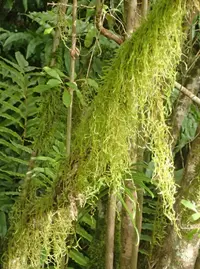
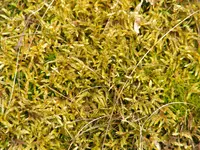
Weymouthia mollis is a small, creeping moss often found forming soft, green mats on tree trunks, rotting logs, and shaded rocks. It has delicate, feather-like stems with fine leaves that give it a velvety, cushiony appearance.
This species occurs mainly in moist, temperate forests of the Southern Hemisphere, especially in New Zealand and nearby regions. It thrives in cool, humid, and shaded environments, which is important to understand when planning how to care for Weymouthia mollis.
Its need for constant moisture, good air movement, and protection from strong sun makes it moderately challenging for beginners, but manageable with stable, humid conditions and gentle, indirect light.

Care Difficulty
Moderate Care

Light Preference
Shade

Water Requirements
Keep Soil Moist

Temperature Preference
Cool Climate

Hardiness Zone
8–10

Soil Texture
Peaty, Organic-rich, Silty

Soil pH
Strongly acidic (4.5–5.5), Acidic (5.5–6.5)

Soil Drainage
Waterlogged tolerant

Fertilization
Minimal (feed rarely)
Scan your plant to receive care tips personalized for your specific plant
Available on iOS and Android
This moss prefers soft, cool light that mimics a shaded forest floor.
This species thrives in consistently moist, never stagnant, conditions.
This moss is adapted to cool, mild climates and dislikes temperature extremes.
This moss prefers consistently moist air and suffers in dry indoor conditions.
Weymouthia mollis grows best in loose, moist, organic-rich substrate that mimics damp forest litter.
This species is suitable for shallow containers, trays, or terrariums where humidity and constant moisture can be managed.
This moss is adapted to low-nutrient habitats, so Weymouthia mollis usually needs no additional fertilizer in garden or terrarium settings.
Pruning needs are minimal because this moss naturally maintains a compact, trailing form.
Transplanting is gentle and infrequent, as this moss forms shallow mats that adapt well to stable surfaces.
Propagation is simple because this moss spreads mainly through vegetative fragments rather than seed.
This moss is generally cold hardy in mild to cool climates and usually needs little targeted winter care outdoors.

Plant Health Check
Not sure what's wrong with your plant? Check your plant's health inside the app.
This moss forms loose, soft, velvety mats on trunks and branches in temperate rainforests, especially in very wet, shaded gullies and along creek margins in New Zealand and southeastern Australia.
It is strongly adapted to low light, occurring mainly on the shaded sides of tree trunks and logs where direct sun is minimal but air humidity and surface moisture remain high.
The shoots are thin and delicate and lose water quickly, so stable, cool, moist air is critical for long-term survival outside its native cloud-forest-like habitats, which is important to understand for Weymouthia mollis care instructions.
This moss is effectively evergreen. Its fine, branching shoots stay green and photosynthetically active year-round in mild, consistently moist conditions. Temporary browning can occur during drying but usually reverses once adequate moisture and humidity return.
Keep your plants happy and healthy with plant identification, disease detection, and easy care guidance.

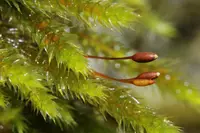
squirrel-tail moss
Leucodon sciuroides
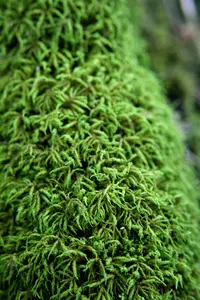
seductive entodon moss
Entodon seductrix
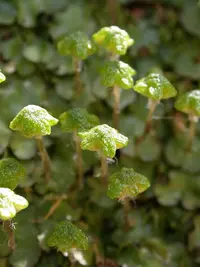
Hemisphaeric Liverwort
Reboulia hemisphaerica
Milk moss
Leucobryum javense
Hoary Fringe-moss
Niphotrichum canescens
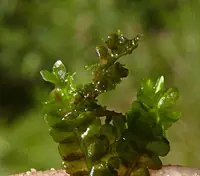
Square-leaved Crestwort
Chiloscyphus polyanthos
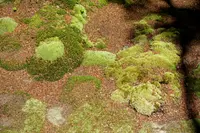
leucobryum moss
Leucobryum albidum
Schreber's big red stem moss
Pleurozium schreberi