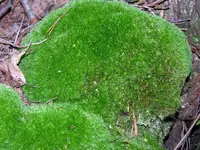
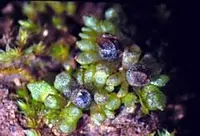
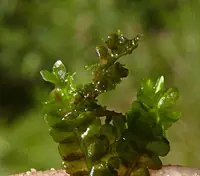
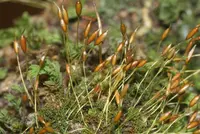
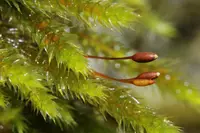
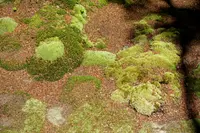
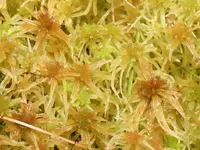
frizzled pincushion Care (Plenogemma phyllantha)

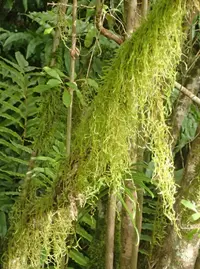
Also known as: ulota moss
frizzled pincushion

About frizzled pincushion

Plenogemma phyllantha, commonly called frizzled pincushion, is a compact succulent known for its tight mounds of tiny, cylindrical leaves that form a cushion-like clump. The foliage often has a slightly twisted or frizzled look, giving the plant its common name.

It is native to South Africa, where it grows in rocky, well-drained habitats with bright light and low to moderate rainfall. The plant is slow growing but long lived when conditions are stable.

This species is considered moderately easy for succulent growers, but it can be sensitive to overwatering and poor air movement. Understanding how to care for frizzled pincushion starts with providing strong light, very free-draining soil, and careful, infrequent watering.

Main Plant Requirements

Care Difficulty

Moderate Care

Light Preference

Partial Shade

Water Requirements

Moderate Water

Temperature Preference

Warm Climate

Hardiness Zone

Unknown

Soil Texture

Sandy, Loamy, Rocky

Soil pH

Acidic (5.5–6.5)

Soil Drainage

Well-drained

Fertilization

Minimal (feed rarely)

Get Personalized Care Plan

Scan your plant to receive care tips personalized for your specific plant

Available on iOS and Android

How to Care for the frizzled pincushion

This compact succulent prefers bright, gentle light that mimics open but not harsh rocky habitats.

  • Provide 4–6 hours of bright light daily, ideally with morning sun and afternoon shade or bright, filtered light under a sheer curtain or light canopy.
  • Outdoors, place frizzled pincushion where it gets early sun and dappled shade later; strong midday or late-afternoon sun can scorch leaves and cause pale, leathery tissue.
  • In low light it stretches and loses its tight form; move gradually to a brighter spot over 7–10 days to avoid sunburn, especially after winter.

This species is drought-tolerant and prefers soil that dries between waterings.

  • Water only when the top 2–4 cm of soil are completely dry, using enough water so it drains freely from the bottom or through the bed profile.
  • In spring and summer, expect more frequent watering, guided by dry soil and slightly softened leaves; in fall and winter, reduce frequency significantly to prevent root rot.
  • Signs of overwatering include yellowing, translucent, or mushy leaves, while deep wrinkling and very light pots or dusty, shrinking soil indicate underwatering; fast-draining gritty soil is essential for Plenogemma phyllantha.

This succulent favors warm, dry conditions with a clear cool-season rest but poor frost tolerance.

  • Aim for 65–80°F (18–27°C) during active growth; short peaks up to 90°F (32°C) are tolerated if soil is dry and there is some airflow and shade during the hottest hours.
  • Protect from cold below 40°F (4°C); brief light chills may be survived, but freezing at 32°F (0°C) or lower can damage roots and foliage, especially in wet soil.
  • In regions with cold winters, grow in a protected spot so temperatures stay above 45°F (7°C) at night, keeping the plant much drier in the cool season to improve cold tolerance.

This species tolerates typical indoor humidity but stays healthiest with slightly moderate levels.

  • Aim for 40–60% humidity; it manages brief dips lower without serious damage.
  • Dry air stress shows as slowed growth, slightly curling foliage tips, and faster substrate drying.
  • Increase humidity by grouping plants, placing the pot near (not on) a pebble tray, or moving away from heating vents.

This species prefers a fast-draining, airy substrate that dries quickly between waterings.

  • Use a gritty mix such as 40% cactus potting mix, 40% pumice or coarse perlite, and 20% fine bark or mineral grit.
  • Ensure water drains through in seconds; the mix should feel loose, not compact, when pinched between fingers.
  • A slightly acidic to neutral pH around 6.0–7.0 suits Plenogemma phyllantha and helps nutrient uptake remain balanced.
  • Avoid heavy, peat-dense or clay-based substrates that stay wet, as these reduce aeration and encourage root rot.

This species is well suited to container growing due to its compact, shallow root system.

  • Choose a wide, shallow pot to match the spreading habit and keep the root zone from staying wet too long.
  • Select unglazed terracotta if extra evaporation is needed, especially in cooler or low-light positions.
  • Raise the pot on feet so drainage holes stay clear and excess water leaves the container rapidly after each watering.

This small succulent needs only light feeding to stay compact and healthy, making caring for frizzled pincushion straightforward.

  • Use a dilute balanced liquid fertilizer (around 10-10-10 or similar) at 1/4 strength in spring and early summer.
  • Feed no more than once every 4–6 weeks during active growth if the plant is in a gritty, low-nutrient mix.
  • Avoid fertilizer during fall and winter dormancy to prevent weak, etiolated growth.
  • Skip compost-rich mixes; instead, use a lean, fast-draining substrate and slow-release pellets only at very low rates if desired.

Plenogemma phyllantha needs minimal pruning, mainly for tidiness and health.

  • Carry out light pruning in late winter or early spring before strong new growth starts.
  • Remove dead, shriveled, or damaged stems with clean, sharp scissors or small snips.
  • Thin out crowded, crossing segments to improve air flow and maintain the plant’s cushion shape.
  • Disinfect tools before and after use to reduce the risk of fungal or bacterial infections.

This compact succulent prefers to stay slightly root bound and only needs infrequent repotting or transplanting.

  • Check for roots circling the pot, pushing through drainage holes, or noticeably slowed growth as signs it is time to move up.
  • Plan repotting for late winter or early spring every 3–4 years, or only when the pot is clearly full.
  • Use a shallow container with ample drainage and a gritty cactus mix to limit moisture around the roots.
  • Gently tease roots apart, trim any rotten sections, keep the root ball mostly intact, and water lightly after 3–5 days of dry recovery time.

This species can be propagated successfully, though it responds best when conditions are warm, bright, and dryish.

  • Take short, healthy stem cuttings in late spring or early summer, allowing cut ends to callus for several days.
  • Insert callused segments into a very well-drained, barely moist cactus mix and keep in bright, indirect light.
  • Maintain temperatures around 70–80°F and avoid overwatering; wait for firm resistance before assuming roots have formed.
  • Seed propagation is possible but slower; sow on the surface of a sterile, gritty medium and keep slightly moist until germination.

This plant prefers cool, dry winters and usually needs only modest protection from severe cold.

  • Tolerates light chills but is best kept above 35–40°F, especially in prolonged cold snaps.
  • Reduce watering sharply in winter, keeping the soil almost dry to prevent root rot in cool conditions.
  • For outdoor containers, move pots to a bright, sheltered spot such as an unheated porch or cold frame.
  • Avoid overhead watering on cold days so stems stay dry and less prone to fungal issues.

Care Tips

Segment propagation

Use clean, shallow trays with a very gritty mix and lay healthy stem segments on the surface, barely pressing them in, to quickly multiply plants while keeping mother plants compact.

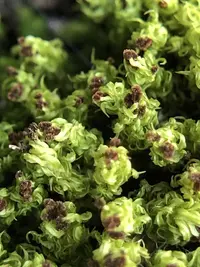
Pot clustering

Group several small pots tightly together in a low-sided tray filled with coarse gravel to stabilize their shallow root systems and create a more even drying pattern across all plants.

Gentle airflow

Place the plant where it receives light, steady air movement from a fan or vent that does not blow directly on it, which helps dry the foliage after watering and reduces fungal issues in tight clusters of stems.

Targeted pest checks

Inspect the base of stems and the junctions between old and new growth with a hand lens every few weeks, since mealybugs and scale often hide in these crevices before becoming visible on the outer foliage.

Controlled summer rest

If growth slows in the hottest part of summer, slightly extend the dry period between waterings and avoid repotting, mimicking a mild rest phase that supports healthier regrowth when conditions improve for growing frizzled pincushion.

Common Pests and Diseases

Mealybugs

This pest feeds on succulent leaves and stems, sucking sap and leaving white, cottony clusters in leaf axils and along joints. Symptoms include stunted growth, yellowing segments, and sticky honeydew that can attract sooty mold.

Solution

Isolate the plant, then dab visible mealybugs with cotton swabs dipped in 70% isopropyl alcohol and repeat weekly until no new insects appear. Improve light and airflow, and if the infestation is more widespread, use a ready-to-use insecticidal soap or neem oil spray, thoroughly coating stems and crevices.

Soft scale

These insects appear as small, dome-shaped brown or tan bumps attached to stems and older leaves, often along the ribbed surfaces of the succulent segments. This pest weakens the plant through continuous sap feeding and can cause pale, stressed growth and honeydew deposits.

Solution

Gently scrape or wipe off visible scale with a soft cloth or cotton pad dipped in 70% isopropyl alcohol, then dispose of the material. For persistent problems, apply insecticidal soap or a light horticultural oil, ensuring full coverage of stems and joints, and repeat at 7–10 day intervals as needed.

Aphids

These insects cluster on soft new growth and flower stalks, sucking sap and causing distortion, curling, and sticky honeydew. This pest can spread quickly on densely segmented plants grown in bright indoor or greenhouse conditions.

Solution

Rinse the plant under a gentle stream of lukewarm water to dislodge aphids, protecting the soil surface from heavy wetting. Follow with a treatment of insecticidal soap, making sure to reach all sides of young stems and flower stalks, and repeat every 5–7 days until new growth is clean.

Botrytis blight

This disease thrives in cool, humid conditions and poor air circulation, causing soft, water-soaked spots on segments that may develop gray, fuzzy mold. Symptoms include collapsing tissue starting at damaged or old segments, especially if water sits on the plant for long periods.

Solution

Remove and discard all affected segments, cutting back to firm, healthy tissue, and avoid overhead watering so the plant dries quickly after irrigation. Improve airflow, space plants so segments are not packed together, and if the problem keeps recurring, apply a fungicide labeled for botrytis on succulents, following label directions carefully.

Bacterial soft rot

This disease causes sudden, foul-smelling, mushy breakdown of individual segments or stem sections, often starting from a wound or area that stayed wet for too long. Symptoms include translucent, collapsing tissue that can spread rapidly along the segmented stems.

Solution

Cut away and discard all affected parts well into healthy, firm tissue using disinfected tools, then allow remaining segments to dry and callus at the cut surfaces in a dry, bright location. Reduce watering frequency, avoid water on stems, and ensure a very free-draining substrate to lower moisture around the base, which is central to effective Plenogemma phyllantha plant care.

Interesting Facts

Leafless photosynthetic shoots

This species lacks true leaves and instead uses its highly reduced, jointed stems to perform photosynthesis, an adaptation that reduces water loss in its native habitats.

Specialized for rock crevices

It commonly grows in shallow soil pockets and rock crevices in southern African habitats, anchoring itself in narrow fissures where larger plants cannot compete.

Miniature storage tubers

Small underground tubers store water and nutrients, allowing the plant to survive seasonal drought and resume growth when moisture returns.

Botan icon

Did you know?

It was historically placed in the genus Crassula, and its transfer to the small genus Plenogemma reflects detailed anatomical and molecular studies that showed it forms a distinct evolutionary lineage within the Crassulaceae.

FAQs about frizzled pincushion

Yellowing leaves usually come from excess moisture around the roots, poor drainage, or old foliage aging out. Check for compacted or constantly wet substrate, improve aeration, and remove only fully spent leaves to prevent rot spread.

Grow Healthy Plants with Botan Care

Keep your plants happy and healthy with plant identification, disease detection, and easy care guidance.

Botan plant care app — identify plants on mobile

Explore More Plants