Texas Balloonwort Care (Sphaerocarpos texanus)

Texas Balloonwort

About Texas Balloonwort

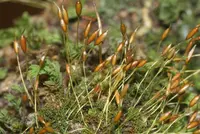
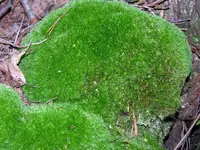
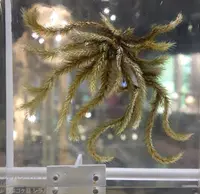
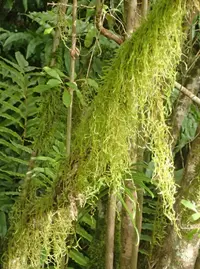
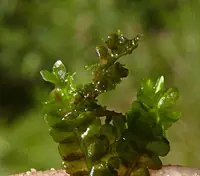
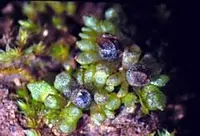
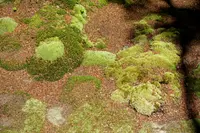
Texas balloonwort, Sphaerocarpos texanus, is a small, thalloid liverwort rather than a typical leafy houseplant. It forms low, flat, green patches that hug the soil surface, often appearing almost moss-like.

This species naturally occurs in parts of North America, especially in seasonally moist, open ground such as disturbed soils or thin soil over rock. It tends to be short-lived above ground and responds quickly to favorable moisture.

Its tiny size, need for consistent surface moisture, and sensitivity to drying make it more challenging to maintain in cultivation. Those who want to learn how to care for Texas Balloonwort should be prepared to provide cool conditions, gentle light, and evenly damp, fine-textured soil or substrate.

Main Plant Requirements

Care Difficulty

Moderate Care

Light Preference

Partial Shade

Water Requirements

Keep Soil Moist

Temperature Preference

Warm Climate

Hardiness Zone

Unknown

Soil Texture

Loamy, Silty, Organic-rich

Soil pH

Acidic (5.5–6.5), Slightly acidic (6.5–7.0)

Soil Drainage

Moist but well-drained

Fertilization

Minimal (feed rarely)

Get Personalized Care Plan

Scan your plant to receive care tips personalized for your specific plant

Available on iOS and Android

How to Care for the Texas Balloonwort

This small liverwort prefers gentle, indirect light that mimics its natural, partly shaded habitats.

  • Provide bright, filtered light or open shade with 2–4 hours of soft morning sun; avoid harsh midday and afternoon sun that can scorch tissues.
  • Grow Texas Balloonwort in sites with dappled light under low vegetation, rocks, or logs, where light is scattered and not intense.
  • In summer, increase shade or move to a more sheltered exposure; in winter, allow more open light while still avoiding strong, direct sun in warmer regions.

This species thrives in consistently moist but not stagnant conditions.

  • Keep the substrate evenly damp, allowing only the top 0.5–1 cm to begin drying before rewetting; never let it dry out completely.
  • Use fine-textured, well-drained soil or mossy ground that holds moisture yet allows excess water to percolate away, preventing prolonged pooling.
  • In warmer months, check moisture daily and watch for curling, dull tissue as a sign of underwatering; pale, soft, or slimy growth suggests overwatering or poor drainage.

This liverwort prefers mild, cool to moderate temperatures with protection from extremes.

  • Aim for 55–75°F (13–24°C) for steady growth, avoiding rapid swings that can stress the delicate thalli.
  • Tolerates brief dips to around 32°F (0°C), but repeated or hard frosts can damage tissue; snow cover can offer some insulation in cold periods.
  • In hot weather above 85°F (29°C), provide deeper shade and higher humidity, as sustained heat combined with full sun can cause desiccation and dieback.

This small liverwort needs consistently moist, high-humidity conditions to persist in cultivation.

  • Aim for 70–90% humidity, mimicking the always-damp microhabitats where Texas Balloonwort naturally grows.
  • Dry indoor air quickly desiccates the thin thalli; edges curl, pale, and become brittle when humidity is too low.
  • Increase humidity by using covered terrariums, closed propagation trays, or sealed pots with frequent misting rather than open-air setups.

Sphaerocarpos texanus grows best on thin, moist, fine-textured substrates that stay damp but never stagnant.

  • Use a shallow layer of fine, sifted loam mixed with 20–30% washed sand to provide both moisture retention and gentle drainage.
  • Aim for slightly acidic to neutral pH around 6.0–7.0, avoiding strongly alkaline or limy substrates that can inhibit growth.
  • Keep the substrate only 0.5–1 in deep to prevent waterlogging and reduce the risk of anaerobic (oxygen-poor) conditions near the surface.
  • Avoid compacted, heavy clay or peat-packed mixes; lightly crumble and level the surface so water spreads evenly without pooling.

This species can be grown in shallow containers if the setup maintains steady moisture and humidity at the surface.

  • Choose wide, shallow trays so the plant forms a low carpet while water spreads evenly across a thin substrate layer.
  • Use containers that allow a very shallow water reservoir beneath a mesh or perforated divider to keep the surface just damp, not flooded.
  • Opt for non-porous materials like plastic or glazed ceramic to slow evaporation and stabilize the thin moisture film at the substrate surface.

This small liverwort requires minimal feeding, especially when grown in nutrient-adequate, moist substrates.

Pruning needs for Sphaerocarpos texanus are essentially limited to light tidying rather than structural work.

Transplanting is rarely necessary because this tiny liverwort usually forms low, spreading colonies in stable sites.

  • Consider transplanting only if the patch is at risk from disturbance or if moving it to a controlled habitat tray.
  • Best timing is early spring or early fall, when temperatures are mild and moisture is reliable.
  • Lift small soil plugs containing the colony, keeping the rhizoids and surrounding substrate intact.
  • Replant at the same depth into a shallow, moist, fine-textured medium, then shade lightly and keep evenly damp to reduce stress.

Propagation of this liverwort is usually left to natural spread rather than managed methods.

This species is generally cold hardy in its native range and requires little specific winter care when grown outdoors.

Care Tips

Shaded container culture

Use a shallow, unglazed clay tray filled with fine, weed‑free substrate and place it inside a larger shaded container or terrarium to protect the delicate thalli from drying winds and incidental disturbance.

Algae and moss control

Periodically remove encroaching mosses and green algae films with fine tweezers or a soft artist’s brush so they do not outcompete the liverwort for light and space.

Gentle surface cleaning

Rinse the surface very lightly with dechlorinated water from a squeeze bottle or lab wash bottle to dislodge dust and debris without disturbing the thalli or exposing them to strong water jets.

Seasonal dormancy protection

If the habitat dries in summer, allow natural dormancy but move pots or trays to a bright, cool, sheltered spot so the spores and small fragments remain viable until moisture returns.

Labeling and micro‑zoning

Label each colony area and use small plastic or stone dividers to separate different accessions or microhabitats, which helps track which conditions work best for growing Texas Balloonwort over time.

Common Pests and Diseases

Fungal overgrowth

This disease affects moist soil surfaces and thallus tissue, forming white, gray, or fuzzy patches over the tiny liverwort lobes. Symptoms include slowed growth and gradual thinning or disappearance of patches in cultivation trays.

Solution

Reduce constant surface wetness by allowing the substrate surface to dry slightly between waterings, and increase air movement with a small fan or more ventilation. Remove and discard heavily affected clumps, then resume light, even moisture and bright, indirect light to favor Sphaerocarpos texanus over the fungus.

Algal film

This disease occurs on constantly wet culture surfaces, creating a slimy green film that smothers the low, flat thalli. Symptoms include a slick, shiny surface and poor regeneration or establishment of new patches.

Solution

Decrease water frequency and avoid standing water in trays, then gently rinse off the algal layer with clean water and allow excess to drain fully. Improve light and airflow, and if needed, resurface with a fresh, low-nutrient substrate so the liverwort can recolonize without being overgrown by algae.

Slugs and snails

These pests feed on the soft, thin thalli and reproductive structures, leaving irregular holes, shredded edges, and silvery slime trails in outdoor or greenhouse setups. This pest can quickly remove entire patches along moist container edges and shaded benches.

Solution

Hand-pick slugs and snails at dusk or early morning and use physical barriers such as copper tape or raised benches around culture trays. Reduce hiding spots by clearing debris, and if damage is heavy, use iron phosphate bait placed away from the main culture area to lower populations without contaminating the substrate.

Springtails

These insects thrive in very wet substrates and high organic matter, jumping when disturbed and sometimes grazing on delicate young thalli or reproductive structures in close culture. Symptoms include tiny moving white or gray dots on the soil surface and occasional thinning of new growth in heavily populated containers.

Solution

Allow the upper substrate layer to dry slightly between waterings and avoid overfeeding with nutrient-rich media that favor springtails. If numbers remain high, gently flood-rinse the container to wash them out, then re-establish the culture on a fresh, low-organic mix while maintaining only moderate, steady moisture.

Interesting Facts

Soil crust specialist

This species often grows as part of biological soil crusts on disturbed, seasonally moist bare ground, where its tiny thalli help stabilize the surface and influence early soil formation.

Separate male and female plants

It is dioicous, meaning male and female organs occur on separate plants, and the male plants form distinctive, small, disc-like gametophytes that are often easier to spot than the female ones in the field.

Ball-shaped spore packages

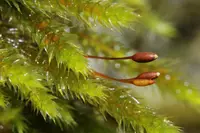
Its name refers to its spherical sporophyte capsules, which develop inside protective envelopes and release spores that are typically dispersed only short distances from the parent plant.

Botan icon

Did you know?

This liverwort forms permanent tetrads, where four spores remain fused together in a single unit, a feature that makes its fossilized spores recognizable in the geological record and helps paleoecologists reconstruct ancient terrestrial ecosystems.

FAQs about Texas Balloonwort

This tiny liverwort grows slowly, forming small patches over months rather than rapidly filling space. Growth rate depends on constant surface moisture, mild temperatures, and lack of disturbance. Even in good conditions, expansion remains gradual and compact.

Grow Healthy Plants with Botan Care

Keep your plants happy and healthy with plant identification, disease detection, and easy care guidance.

Botan plant care app — identify plants on mobile

Explore More Plants