Substrate layering
Provide a shallow tray with a base of inert mesh and a 0.5–1 cm layer of fine, acid, peat-based substrate so the thallus can creep over the surface while excess water drains below and does not stagnate around the growing tips.

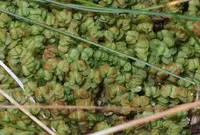
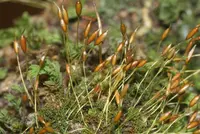
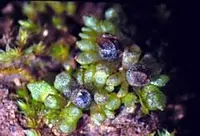
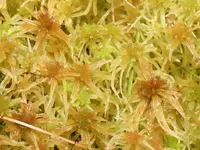
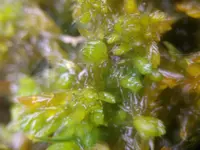
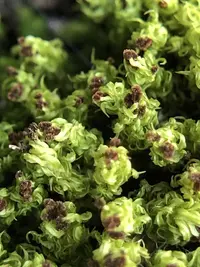
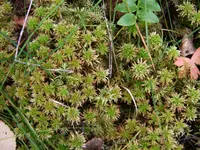
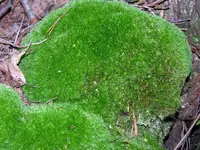
Taylor's flapwort, Mylia taylorii, is a small leafy liverwort rather than a typical flowering plant. It forms soft, low mats that creep over moist rocks, rotting wood, and shaded soil. The tiny overlapping leaves give it a dense, moss-like look when seen from above.
This species naturally occurs in cool, humid regions, especially in western Europe and parts of North America, usually in clean, shaded woodland or streamside habitats. Its need for constant moisture, clean water, and good air movement makes it more demanding than common houseplants.
Those who want to care for Taylor's Flapwort should provide cool shade, very moist conditions, and a stable, undisturbed substrate with low nutrient levels.

Care Difficulty
Hard Care

Light Preference
Shade

Water Requirements
Keep Soil Moist

Temperature Preference
Cool Climate

Hardiness Zone
6–9

Soil Texture
Peaty, Silty, Organic-rich

Soil pH
Strongly acidic (4.5–5.5)

Soil Drainage
Waterlogged tolerant

Fertilization
Minimal (feed rarely)
Scan your plant to receive care tips personalized for your specific plant
Available on iOS and Android
This small leafy liverwort prefers cool, shaded habitats with very low direct sun exposure.
This species needs consistently moist conditions and is sensitive to drying out.
This cool-climate liverwort prefers mild, humid conditions and is not heat tolerant.
This species needs constantly high humidity to stay healthy in cultivation.
Mylia taylorii thrives in very moist, soft, acidic substrates rather than conventional potting soils.
This liverwort can be grown in shallow containers if its constant moisture needs are met.
This small liverwort is adapted to low-nutrient habitats and usually grows best without added fertilizer, so caring for Taylor's Flapwort focuses more on moisture and light than feeding.
Mylia taylorii needs no true pruning; management is limited to gentle tidying in cultivation.
This moss-like liverwort is seldom container-grown; transplanting is delicate and mainly for conservation or specialized culture.
This species spreads mainly by natural fragmentation and spores, and intentional propagation is specialized.
This temperate liverwort is generally cold hardy in its natural range and needs minimal winter care outdoors.

Plant Health Check
Not sure what's wrong with your plant? Check your plant's health inside the app.
This leafy liverwort is particularly abundant in cool, hyper‑oceanic regions of western Europe, thriving in very humid, mild climates where many other bryophytes struggle to compete.
It grows almost exclusively on very acidic substrates such as peaty soils, decomposing conifer logs, and humus-rich banks, and is rarely found on base-rich or calcareous sites.
The shoots form loose mats of pale to yellowish green, with leaves arranged in two main rows and small underleaves, giving a flattened, somewhat translucent appearance under a hand lens that helps distinguish it from many other liverworts.
Browning often results from drying out, low humidity, or direct sun scorch. Check that the substrate stays consistently moist, humidity remains high, and light is indirect. Avoid fertilizer salts and hard water, which can also cause brown, crispy tips.
Keep your plants happy and healthy with plant identification, disease detection, and easy care guidance.