Congdon's lewisia Care (Lewisia congdonii)

Congdon's lewisia

About Congdon's lewisia

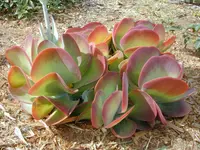
Congdon's lewisia (Lewisia congdonii) is a small, perennial succulent from rocky mountain habitats in California. It forms compact rosettes of fleshy, spoon-shaped leaves close to the ground. In bloom, it sends up short stems topped with clusters of soft pink to rose flowers, giving a delicate but tidy appearance. The plant is adapted to harsh, well-drained slopes and crevices, which strongly influences how to care for Congdon's lewisia.

It prefers cool conditions, bright light, and sharply draining, gritty soil. Its sensitivity to excess moisture and root rot makes it more challenging than average for beginners, especially in humid or rainy climates.

Main Plant Requirements

Care Difficulty

Hard Care

Light Preference

Full Sun

Water Requirements

Low Water

Temperature Preference

Cold Hardy

Hardiness Zone

5–8

Soil Texture

Sandy, Loamy, Rocky

Soil pH

Acidic (5.5–6.5), Slightly acidic (6.5–7.0)

Soil Drainage

Well-drained

Fertilization

Minimal (feed rarely)

Get Personalized Care Plan

Scan your plant to receive care tips personalized for your specific plant

Available on iOS and Android

How to Care for the Congdon's lewisia

This alpine perennial prefers bright, cool conditions with strong light but limited heat.

  • Provide 4–6 hours of direct morning sun with light afternoon shade; east or northeast exposure suits Congdon's lewisia best in most gardens.
  • In hot-summer areas, protect from intense sun after 11 a.m. using dappled shade or rock crevices to prevent leaf scorch and flower bleaching.
  • In winter, full sun is beneficial, but ensure snow or debris does not keep rosettes shaded for weeks, which weakens growth.

This species needs careful watering with a strong emphasis on drainage and drying between waterings.

  • Allow the top 3–5 cm of gritty soil to dry fully before watering; in mild spring weather this may mean every 7–14 days depending on rainfall.
  • Reduce water sharply in summer dormancy and winter; only moisten the root zone lightly if foliage shrivels, never leaving the crown wet for long.
  • Watch for firm, compact rosettes as a sign of adequate moisture; soft, translucent leaves suggest overwatering and root rot, while crisp, folding leaves indicate drought stress.

This mountaintop plant prefers cool to mild temperatures and tolerates significant cold once established.

  • Aim for active growth in 45–70°F (7–21°C); flowering and foliage hold best under these cooler conditions, especially in spring and fall.
  • Lewisia congdonii tolerates down to about 10–15°F (-12 to -9°C) if soil is sharply drained and the crown is not waterlogged during freezes.
  • Protect from prolonged heat above 85°F (29°C) with afternoon shade and good air movement, since combined heat and wet soil quickly weakens plants.

Lewisia congdonii prefers dry, airy conditions and does not need elevated humidity.

  • Keep ambient humidity around 30–50% to mimic its native rocky habitat.
  • Plant in a breezy, open spot; persistently stagnant, humid air can promote rot at the crown.
  • Watch for soft, translucent leaf bases as a sign of excess humidity combined with poor air movement, and improve airflow immediately.

Lewisia congdonii needs very sharp-draining, mineral-rich soil to avoid root and crown rot.

  • Use a gritty mix such as 50–70% coarse sand, fine gravel, or grit blended with a lean, low-peat potting mix.
  • Aim for slightly acidic to neutral pH around 6.0–7.0, which supports nutrient availability without encouraging excess growth.
  • Create a raised or sloped planting area so water runs off quickly and does not pool around the crown.
  • Avoid heavy, compacted, or high-clay soils; if unavoidable, amend deeply with grit and coarse sand to improve aeration and drainage.

This species is well suited to container growing, especially in shallow, gritty alpine-style troughs.

  • Choose a wide, shallow pot so the fibrous roots can spread through the upper, fast-drying layer rather than staying waterlogged in depth.
  • Select an unglazed clay container to allow moisture to evaporate from the sides and keep the crown drier after rainfall or watering.
  • Top-dress with fine grit or small gravel to keep the crown dry, reduce splash onto leaves, and prevent the surface mix from sealing.

This alpine perennial grows well in lean, rocky soil, so Congdon's lewisia needs only light, targeted feeding in cultivation.

  • Use a low-strength balanced fertilizer (around 10-10-10) or dilute liquid feed at 1/4–1/2 strength during active growth in spring–early summer.
  • Apply no more than every 4–6 weeks in the growing season to avoid soft, weak growth and root burn.
  • Avoid fertilizing during summer dormancy or winter; excess nutrients in cool, wet soil increase rot risk.
  • Do not place slow-release pellets directly against the crown; keep them in the surrounding gritty soil.

Lewisia congdonii needs minimal pruning, mainly to maintain plant health and a tidy rosette.

  • Best time for cleanup is after main flowering in late spring–early summer, once spent flower stems dry.
  • Cut off dead flower stalks at the base with small, sharp scissors to encourage a neater appearance and potential light rebloom.
  • Gently remove mushy, dead, or damaged leaves from the outer rosette to improve air flow and reduce rot.
  • Avoid heavy cutting into healthy crowns; this species does not respond by producing fuller growth like many shrubs.

This species is usually grown in rock gardens or troughs and prefers infrequent disturbance once established.

  • Transplant Lewisia congdonii in early spring or early fall, when temperatures are mild and soil is workable.
  • Look for signs such as roots circling a container, water running off quickly, or slowed growth despite good light.
  • Move only every 3–4 years if container-grown, shifting to a slightly larger pot with very gritty, fast-draining mix.
  • Minimize root stress by lifting with a wide plug of soil, handling roots gently, and watering lightly after planting so crowns stay relatively dry.

This plant is most often propagated by seed or careful division of mature clumps.

  • Sow fresh seed in late summer–fall outdoors for natural cold stratification, which is a chilling period that helps break dormancy.
  • Use a gritty, free-draining seed mix and keep it just barely moist; germination may be slow and uneven.
  • Divide larger, healthy clumps in early spring, taking small offsets with some root attached and replanting into similar rocky soil.
  • Provide bright light, excellent drainage, and protection from heavy rain while new divisions or seedlings establish.

Lewisia congdonii is cold hardy but benefits from specific winter moisture management, especially in wet climates.

  • Tolerates frost and subfreezing temperatures if soil drains very quickly and crowns do not stay waterlogged.
  • Apply a light gravel mulch around, but not over, the crown to keep the root zone drier and reduce freeze-thaw damage.
  • Shelter containers from excessive winter rain, for example under eaves or in a cold frame, while keeping them in bright light.
  • In very wet or extremely cold regions, move potted plants to an unheated but frost-free, bright area with minimal watering.

Care Tips

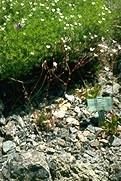
Rocky pocket planting

Tuck plants into crevices or pockets in rock walls or between larger stones so excess water drains away quickly and the crown stays elevated and dry.

Crown moisture control

Top-dress only around the root zone with coarse grit or small gravel, keeping the central crown free of debris to reduce crown rot after rain or irrigation.

Winter rain shielding

In wet winter climates, place a simple clear rain shield or cold frame over the planting area to keep foliage and crowns dry while still allowing good light and air movement.

Summer dormancy management

When foliage begins to die back naturally in summer, reduce disturbance around the plant, mark the spot clearly, and keep the soil barely moist instead of replanting or overwatering.

Seedling selection strategy

Sow seed in a gritty mix outdoors, then thin and keep only the most compact, healthy seedlings, as selecting strong individuals early improves long-term success when growing Congdon's lewisia.

Common Pests and Diseases

Aphids

This pest feeds on tender new growth and flower stems, sucking sap and causing distortion, sticky honeydew, and reduced vigor. Symptoms include curled leaves, stunted buds, and ants attracted to the sugary residue.

Solution

Dislodge aphids with a firm stream of water, then spot-treat remaining clusters with insecticidal soap or a light horticultural oil, avoiding application in full sun or high heat. Encourage natural predators such as lady beetles and keep the plant well ventilated to reduce outbreaks when caring for Congdon's lewisia.

Spider mites

These insects are tiny sap-feeders that thrive in hot, dry conditions and can cause fine stippling, pale patches, and a dull, tired look to the rosette leaves. Symptoms include very fine webbing between leaves and gradual leaf drop if populations build up.

Solution

Increase humidity around the plant, then rinse foliage thoroughly to wash off mites and webbing. If needed, use insecticidal soap or a low-toxicity miticide labeled for ornamentals, repeating applications as directed until new growth appears clean.

Slugs and snails

This pest often damages Lewisia foliage and flower stalks during cool, damp periods, especially where plants are grown in rock crevices or near mulch. Symptoms include irregular holes, shredded leaf edges, and shiny slime trails around the plant.

Solution

Hand-pick slugs and snails in the evening or early morning and remove nearby hiding places such as boards, dense mulch, or debris. Use iron phosphate bait around but not on the crown, and maintain sharp-grit or gravel topdressing around plants to create a rough, less hospitable surface.

Crown rot

This disease develops when water sits around the crown, especially in poorly drained or compacted soils, leading to a soft, dark, collapsing center of the rosette. Symptoms include yellowing outer leaves, mushy tissue at the base, and rapid decline during wet or warm periods.

Solution

Remove and discard affected plants and any heavily rotted crown tissue, then improve drainage with coarse grit and well-drained substrate, keeping irrigation away from the crown. In high-rainfall climates, plant in raised rock crevices or steep slopes and avoid overhead watering to keep the growing point dry.

Botrytis blight

This disease is a gray mold that affects flowers and succulent leaves, favored by cool, damp, and poorly ventilated conditions. Symptoms include water-soaked spots on petals or foliage that develop fuzzy gray mold, followed by tissue collapse.

Solution

Promptly remove and discard all infected flowers and leaves, and thin surrounding vegetation to improve airflow and faster drying. Water at the base in the morning only, keep the rosette surface as dry as possible, and in persistent cases apply a fungicide labeled for Botrytis on ornamentals according to label directions.

Interesting Facts

Narrow Sierra endemic

This species is naturally restricted to a small area of the central Sierra Nevada in California, where it grows on specific rocky slopes and outcrops rather than being widespread like some other lewisia species.

Specialized rock crevice habitat

Plants often root in shallow soil pockets within granite or metamorphic rock crevices, an adaptation that allows them to avoid competition and exploit moisture that collects in tiny fractures.

Conservation concern status

Lewisia congdonii is considered rare and of conservation concern in California because of its limited distribution and specialized habitat, which make populations vulnerable to disturbance and habitat change.

Botan icon

Did you know?

The species was named in honor of the botanist Joseph Whipple Congdon, who documented many plants of the Yosemite region and whose collections helped clarify the diversity of the genus Lewisia in the Sierra Nevada.

FAQs about Congdon's lewisia

This species performs best outdoors in rock gardens or troughs where it receives cool roots, sharp drainage, and good air movement. Congdon's lewisia indoor care is challenging long term, so indoor use is usually temporary for display.

Grow Healthy Plants with Botan Care

Keep your plants happy and healthy with plant identification, disease detection, and easy care guidance.

Botan plant care app — identify plants on mobile

Explore More Plants