leopard lily Care (Lilium pardalinum)

leopard lily

About leopard lily

Lilium pardalinum, commonly called leopard lily, is a hardy, clump-forming perennial bulb from western North America, especially California and Oregon. It grows tall, upright stems with whorled leaves and striking nodding flowers.

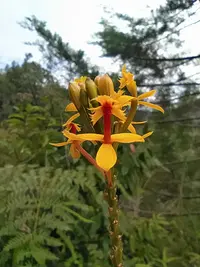
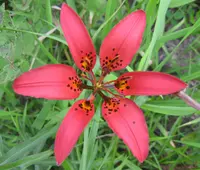
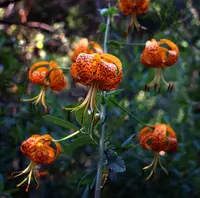
The blooms are orange to red with dark spots and strongly recurved petals, giving a distinctive, speckled look. Plants often naturalize along streams and damp meadows.

This species prefers cool, moist roots, good drainage, and sun to light shade, reflecting its origin in seasonally wet, well-drained soils. Understanding how to care for leopard lily starts with matching these natural conditions, which makes it moderately easy for attentive growers.

Main Plant Requirements

Care Difficulty

Moderate Care

Light Preference

Partial Sun

Water Requirements

Regular Water

Temperature Preference

Cold Hardy

Hardiness Zone

5–9

Soil Texture

Loamy, Silty, Organic-rich

Soil pH

Acidic (5.5–6.5), Slightly acidic (6.5–7.0)

Soil Drainage

Moist but well-drained

Fertilization

Minimal (feed rarely)

Get Personalized Care Plan

Scan your plant to receive care tips personalized for your specific plant

Available on iOS and Android

How to Care for the leopard lily

This species grows best in bright, open conditions with protection from intense afternoon sun.

  • Provide 4–6 hours of direct morning sun, then light shade or dappled light in the afternoon, especially in hotter climates.
  • Site leopard lily where taller plants or light tree canopy give filtered light, mimicking streamside or meadow edges.
  • In cool, overcast areas it tolerates near full sun; in strong sun, watch for leaf scorch or faded flowers and increase shade slightly.

This rhizomatous lily prefers consistently moist, never waterlogged soil.

  • Maintain soil that feels evenly moist to a depth of 5–8 cm; allow only the top 2–3 cm to dry slightly between deep waterings.
  • Increase watering during active spring–summer growth and bloom, reducing it as foliage yellows and dies back in late season.
  • Ensure free-draining, humus-rich soil to prevent standing water; yellowing, limp stems suggest overwatering, while drooping, dry leaves indicate underwatering for Lilium pardalinum.

This hardy lily handles cool winters and mild to warm summers when extreme temperatures are avoided.

  • Optimal growing temperatures are about 60–75°F (16–24°C) during the day with cooler nights, especially in spring and early summer.
  • Dormant rhizomes tolerate winter lows near 10–15°F (−12 to −9°C) if soil is well drained and mulched, but emerging shoots are sensitive to late hard frosts.
  • In hot spells above 85–90°F (29–32°C), provide afternoon shade and extra soil moisture to reduce stress and prevent scorched foliage.

This species handles a wide range of outdoor humidity and usually does not need special humidity control.

Lilium pardalinum prefers moist, deep, well-aerated soil that never becomes waterlogged.

  • Aim for a loose, humus-rich loam with fine bark or leaf mold to mimic a woodland stream bank.
  • Ensure sharp drainage by mixing in coarse sand or small grit, especially in heavier native soils.
  • Keep pH slightly acidic to neutral, around 5.8–7.0, avoiding strongly alkaline or chalky conditions.
  • Avoid compacted clay, standing water, or thin, dry soil that allows bulbs to overheat or dry out.

This species can be grown in containers if the pot is deep, stable, and drains very freely.

  • Use a tall, heavy container to anchor the tall stems and keep the bulb zone cool and shaded from direct sun on the pot walls.
  • Fill the pot with a loose, humus-rich mix and add extra grit near the base to prevent water collecting around the bulbs.
  • Raise the container on feet or bricks so drainage holes stay clear and excess water escapes quickly after rain or irrigation.

Lilium pardalinum benefits from moderate feeding during active growth but does not need heavy fertilization.

  • Use a balanced, slow-release fertilizer (around 10-10-10) or well-rotted compost mixed into the topsoil in early spring.
  • Apply light supplemental feeding every 4–6 weeks through the growing season if soil is poor, avoiding high-nitrogen lawn products.
  • Dilute liquid fertilizer to 1/2 strength for container plants to reduce salt buildup and root burn risk.
  • Stop feeding once foliage begins yellowing and the plant enters dormancy to allow bulbs to rest.

Pruning needs for Lilium pardalinum are simple and focus on maintaining bulb strength and garden tidiness.

  • In midsummer, deadhead fading flowers by removing spent blooms above the first healthy leaf to limit seed formation.
  • Leave green stems and leaves intact until they yellow and dry, then cut them to ground level with clean pruners.
  • Remove damaged, diseased, or badly spotted foliage whenever noticed to improve air circulation and reduce fungal spread.
  • Do not cut healthy stems early, as they are needed for photosynthesis and next year’s flower production.

Leopard lily is usually grown in the ground, so focus on careful transplanting and occasional division rather than frequent repotting.

  • Transplant or divide clumps every 4–5 years in late fall or very early spring when growth is dormant or just emerging.
  • Move plants if clumps become crowded, flowering declines, or bulbs push toward the soil surface.
  • Lift bulbs gently with a fork, keeping as much root and surrounding soil intact as possible to limit stress.
  • Replant bulbs at the same depth in well-drained, moist soil, water thoroughly, and shade lightly for several days after moving.

Lilium pardalinum is most commonly propagated by division of established clumps, with seeds as a slower option.

  • Divide mature clumps in late fall or early spring, separating firm, healthy bulbs and replanting them promptly.
  • Sow fresh seed in pots or seed trays with moist, well-drained mix and provide cool, shaded conditions for germination.
  • Label seed-grown plants and expect several years before flowering, as bulbs must size up first.
  • Keep newly divided or seedling plants evenly moist and weed-free to support strong bulb development.

This species is cold hardy in many temperate regions and usually needs only light winter care in the ground.

  • In climates with cold winters, allow stems to die back naturally, then cut them at ground level once completely brown.
  • Apply a 5–8 cm layer of mulch over the root zone after the ground cools to moderate soil temperature swings.
  • In very cold or exposed sites, add extra mulch or leaf litter to insulate bulbs from repeated freeze–thaw cycles.
  • Container-grown plants are more vulnerable; overwinter them in a sheltered, frost-free but cool spot with slightly moist soil.

Care Tips

Staking Tall Stems

Install slim, rust-resistant stakes early in the season and loosely tie tall flower stems with soft ties to prevent wind damage and stem kinking when blooms become heavy.

Mulch For Cool Roots

Apply a 5–8 cm layer of bark or leaf mold around, but not touching, the stems to keep roots cool, suppress weeds, and buffer soil moisture during summer heat.

Division Timing

Lift and divide crowded clumps only in late summer to early fall after the foliage has died back, replanting bulbs immediately at the same depth to maintain flowering performance.

Streamside Water Management

In naturally wet or streamside plantings, position plants slightly above the wettest zone on a low berm so bulbs sit in moist but not waterlogged soil.

Rodent Protection Rings

In areas with voles or gophers, plant bulbs inside buried wire mesh baskets or cages to prevent tunneling animals from eating the bulbs while still allowing roots to spread for healthy growing leopard lily.

Common Pests and Diseases

Lily beetle

This pest feeds on leaves, stems, buds, and flowers, leaving ragged holes and often stripping foliage completely. Symptoms include bright red adult beetles, black sticky larvae, and dark frass on leaves.

Solution

Hand-pick adults and larvae daily and crush or drop them into soapy water, focusing on early spring when beetles first appear. Remove egg clusters from leaf undersides, and if pressure is high, use a targeted insecticide labeled for lily beetles on foliage, following label directions and avoiding open flowers visited by pollinators.

Aphids

These insects cluster on tender stems, buds, and leaf undersides, sucking sap and causing curling or distortion of new growth. Symptoms include sticky honeydew on leaves and the potential development of sooty mold on the residue.

Solution

Dislodge colonies with a strong stream of water and prune heavily infested shoot tips. For persistent infestations, apply insecticidal soap or a light horticultural oil to all plant surfaces, repeating as needed and spraying in the early morning or evening to reduce stress on the plant.

Botrytis blight

This disease causes brown, water-soaked or tan spots on leaves and petals that may develop a fuzzy gray mold in humid conditions. Symptoms include rapid spotting and collapse of foliage or flowers, especially in cool, wet weather.

Solution

Remove and discard all infected leaves and spent flowers promptly, and avoid overhead watering to keep foliage as dry as possible. Improve air circulation by spacing stems and reducing surrounding dense vegetation, and in areas with a history of botrytis, consider a preventive fungicide labeled for lilies at the first sign of spotting.

Basal rot

This disease affects the bulb base, leading to yellowing and collapse of stems and eventual bulb decay. Symptoms include brown, soft, or dry rotting tissue at the basal plate and poor or stunted shoot emergence.

Solution

Dig and discard severely affected bulbs and any obviously rotted material, and do not replant lilies in the same spot for several years. Ensure excellent drainage, avoid overwatering, and plant healthy, firm bulbs at the recommended depth in well-aerated soil to help prevent recurrence.

Virus complex

This disease group includes several lily-infecting viruses that cause mottled, streaked, or distorted leaves and deformed flowers, often reducing vigor over time. Symptoms include irregular yellow or pale streaks and a general decline despite otherwise correct care.

Solution

Remove and destroy symptomatic plants, as virus-infected lilies cannot be cured and may serve as a source of infection for others. Control sap-sucking insects such as aphids, avoid reusing tools between plants without cleaning, and start with certified virus-free bulbs when possible for reliable Lilium pardalinum care.

Interesting Facts

California stream specialist

This species is native to wet meadows and stream banks in California and southern Oregon, where it often forms dense colonies along cool, flowing water rather than in drier upland sites.

Turk’s-cap flower shape

Its nodding orange-red flowers have strongly reflexed, back-bent tepals with dark spots, a form known as turk’s-cap that helps expose pollen to large pollinators such as swallowtail butterflies.

Hybridization influence

It has been widely used in lily breeding programs, passing on its tolerance of moist soils and its distinctive spotted, pendant flowers to many garden hybrids.

Botan icon

Did you know?

In the wild, this species frequently spreads by creeping rhizomes to form large clonal stands, meaning what looks like a sizable group of plants along a stream bank can actually be a single genetic individual extending over many meters.

FAQs about leopard lily

Lack of flowers usually comes from insufficient winter chill, too much shade, or bulbs planted too shallow or crowded. Allow foliage to die back naturally each year so bulbs can store energy for the next blooming season.

Grow Healthy Plants with Botan Care

Keep your plants happy and healthy with plant identification, disease detection, and easy care guidance.

Botan plant care app — identify plants on mobile

Explore More Plants