Rotate containers
If grown in pots, rotate the container 90° every week during active growth so flower stems develop evenly and do not lean toward the brightest side.

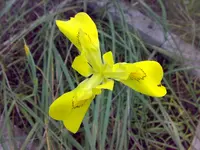
Moraea reticulata is a small bulbous perennial from the iris family, valued for its intricate, net-patterned flowers. It typically forms low clumps of narrow, grass-like leaves and short, delicate flowering stems. Native to winter-rainfall regions of South Africa, it is adapted to dry summers and cool, moist winters, which shapes how it is best cultivated in gardens or containers.
The plant prefers bright light, sharply drained soil, and a dry rest period after flowering. With these conditions in place, how to care for Moraea reticulata becomes manageable even for growers with moderate experience.

Care Difficulty
Moderate Care

Light Preference
Full Sun

Water Requirements
Moderate Water

Temperature Preference
Cool Climate

Hardiness Zone
8–10

Soil Texture
Sandy, Loamy, Rocky

Soil pH
Slightly acidic (6.5–7.0), Neutral (7.0)

Soil Drainage
Well-drained

Fertilization
Minimal (feed rarely)
Scan your plant to receive care tips personalized for your specific plant
Available on iOS and Android
This bulb prefers bright, open conditions that mimic a sunny, dry meadow.
Watering should support active growth while keeping the corms dry and safe from rot in dormancy.
This species prefers mild, Mediterranean-type conditions with cool, wet winters and warm, dry summers.
This bulb tolerates typical indoor humidity and rarely needs special humidity management.
Moraea reticulata prefers sharply drained, mineral-lean soil that prevents the bulbs from staying wet.
This species is well suited to container growing, especially for controlling drainage around the bulbs.
This bulb prefers lean soil, so Moraea reticulata usually needs only light feeding during active growth.
Pruning Moraea reticulata is minimal and focuses on removing spent or unhealthy growth rather than shaping.
This bulbous plant resents disturbance, so repotting or transplanting Moraea reticulata should be infrequent and timed carefully.
Propagation of Moraea reticulata is usually done by bulb division or seeds, depending on patience and desired numbers.
Dormant bulbs of Moraea reticulata tolerate only mild winter conditions and need protection in colder regions.

Plant Health Check
Not sure what's wrong with your plant? Check your plant's health inside the app.
This species survives hot, dry summers in southern Africa as a small underground corm, then rapidly produces leaves and flowers after autumn and winter rains return.
The species name reticulata refers to the net-like markings on the flowers and sometimes on the tunics around the corm, a key diagnostic feature used by botanists to separate it from similar Moraea species.
Individual flowers typically last only about a day, but many buds open in succession on the same plant, creating a brief but concentrated flowering display that aligns with pollinator activity in late winter to spring in its native range.
Lack of flowering usually comes from insufficient cool dormancy, overcrowded corms, or nutrient imbalance. Allow a dry summer rest, lift and divide congested clumps every few years, and avoid high-nitrogen fertilizer that promotes leaves over flowers.
Keep your plants happy and healthy with plant identification, disease detection, and easy care guidance.