Siberian Lily Care (Lilium pensylvanicum)

Siberian Lily

About Siberian Lily

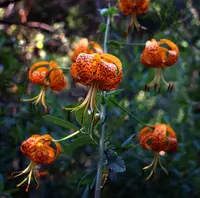
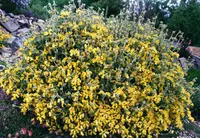
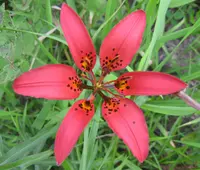
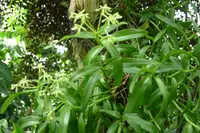
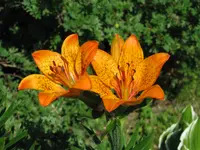
Lilium pensylvanicum, commonly called Siberian lily, is a cold-hardy bulbous perennial from northern Asia, including Siberia and parts of northeastern China and Japan. It forms upright stems with narrow leaves and bears outward-facing orange to reddish flowers with dark spots.

Plants stay relatively compact and form clumps over time, making them suitable for mixed borders and naturalistic plantings. Flowers appear in early to mid-summer and attract pollinators.

This species prefers cool conditions, moist but well-drained soil, and an open, sunny position. Understanding how to care for Siberian Lily starts with providing stable moisture, good drainage, and protection from waterlogged winter soils.

Main Plant Requirements

Care Difficulty

Moderate Care

Light Preference

Full Sun

Water Requirements

Moderate Water

Temperature Preference

Cold Hardy

Hardiness Zone

3–7

Soil Texture

Sandy, Loamy, Organic-rich

Soil pH

Acidic (5.5–6.5), Slightly acidic (6.5–7.0)

Soil Drainage

Moist but well-drained

Fertilization

Light (every 4–6 weeks)

Get Personalized Care Plan

Scan your plant to receive care tips personalized for your specific plant

Available on iOS and Android

How to Care for the Siberian Lily

This species prefers bright outdoor conditions with cool roots and sunlit stems for strongest flowering.

  • Provide 6–8 hours of direct sun daily, ideally full morning sun with light afternoon shade, especially in hotter regions.
  • Tolerates light partial shade, but flowering of Siberian Lily decreases and stems stretch if it receives less than 4–5 hours of direct sun.
  • In hot summers, protect from intense afternoon sun to prevent leaf scorch and faded blooms, using neighboring perennials or light mulch for shading at soil level.

This bulb prefers steady moisture in free-draining soil rather than constant wetness.

  • Water when the top 3–5 cm of soil feels dry, aiming for evenly moist soil during active growth and flowering, then reduce slightly after blooms fade.
  • Ensure soil drains well; persistent soggy ground or standing water around bulbs leads to rot, yellowing foliage, and weak, floppy stems in Lilium pensylvanicum.
  • In dry or hot periods, monitor for drooping, dull leaves as a sign of underwatering, but avoid heavy evening soaking in cool weather to limit fungal issues.

This hardy lily tolerates cold climates but grows best in moderate summer temperatures.

  • Optimal growing temperatures are about 60–75°F (16–24°C); cooler nights support strong stems and vivid flower color.
  • Dormant bulbs survive down to about -30°F (-34°C) with mulch and snow cover, but emerging spring shoots are sensitive to late frosts below 28°F (-2°C).
  • In hot spells above 85°F (29°C), growth can slow and flowers may fade faster, so provide mulch and light afternoon shade to keep the root zone cooler.

This species handles a wide humidity range and usually does not need special humidity management outdoors.

Lilium pensylvanicum prefers loose, well-drained, moderately fertile soil that stays evenly moist without waterlogging.

  • Use a loamy or sandy loam soil improved with 20–30% compost to provide structure, nutrients, and moisture retention.
  • Ensure fast drainage by incorporating coarse sand or fine grit, especially in heavy or compacted ground.
  • Aim for slightly acidic to neutral pH around 6.0–7.0 to support nutrient availability and healthy bulb growth.
  • Avoid dense clay, poorly drained hollows, or spots where water collects and stays for more than a few hours after rain.

This species is suitable for container growing when the pot is deep and drainage is carefully managed.

  • Select a container at least 25–30 cm deep so the bulb sits 10–15 cm below the rim with room for root spread.
  • Choose a heavy or wide-based pot to prevent tall flowering stems from tipping in wind or on balconies.
  • Use a fast-draining mix and raise the pot on feet or bricks so drainage holes never sit in standing water.

Lilium pensylvanicum benefits from modest, targeted feeding to support flowering in lean soils.

  • Use a balanced, slow-release fertilizer (for example 10-10-10) or light compost worked into the top 2–3 in of soil in early spring.
  • Feed once at shoot emergence and once just before flowering during the growing season; avoid additional doses.
  • Apply soluble fertilizer at half strength if using liquid products, always on moist soil to limit root burn.
  • Stop feeding after flowering and do not fertilize dormant bulbs in fall and winter.

Pruning needs for Lilium pensylvanicum are simple and focus on cleanliness and bulb strength.

  • Deadhead spent flowers in summer by removing only the faded blooms, leaving green stems and leaves to feed the bulb.
  • Cut back yellow or dead stems to ground level in late fall or early spring using clean, sharp pruners.
  • Remove damaged, diseased, or badly leaning stems whenever noticed to improve airflow and reduce fungal problems.
  • Avoid cutting healthy green foliage, since this reduces photosynthesis and can weaken next year’s flowering.

Transplanting Siberian Lily is infrequent and mainly done to refresh crowded clumps or improve siting.

  • Look for reduced flowering, crowded shoots, or bulbs pushing upward as signs that division or transplanting is needed.
  • Plan to lift and divide bulbs every 4–5 years in late summer to early fall, after foliage dies back.
  • Dig around the clump carefully, lift with a fork, and separate firm, healthy bulbs, keeping roots as intact as possible.
  • Replant bulbs at the same depth in well-drained soil, water gently, and keep evenly moist until they re-establish.

Lilium pensylvanicum is commonly propagated by bulb division and sometimes by seed for larger plantings.

  • Divide mature clumps in late summer to early fall, after stems have died back and bulbs are dormant.
  • Lift the clump, separate offsets from the parent bulb, and replant them at similar depth in well-drained soil.
  • For seed, sow fresh, cleaned seed in trays with a free-draining medium and keep cool, evenly moist conditions.
  • Label seed trays and expect variable germination; grow seedlings on for 2–3 years before flowering size.

This lily is cold hardy and usually needs only light winter care in temperate climates.

  • Tolerates freezing temperatures in the ground but benefits from 5–8 cm of loose mulch after soil cools.
  • Allow stems to die back naturally, then cut to soil level before or after the first hard frost.
  • For containers, move pots to a sheltered, unheated area to prevent repeated freeze–thaw of the root zone.

Care Tips

Use bulb baskets

Plant bulbs in plastic bulb baskets in beds with vole or mole activity to protect them from being eaten while still allowing free root growth and drainage.

Staggered planting depth

In very cold climates, plant some bulbs 2–3 cm deeper than standard to improve winter survival and reduce frost heave in exposed, windy sites.

Support in windy sites

In open, windy gardens, insert low, unobtrusive ring supports or pea sticks at planting time so emerging stems grow through them and remain upright without later tying.

Timed deadheading

Remove only the spent flowers and developing seed pods, leaving green stems and leaves intact until they yellow naturally so the bulbs can recharge for next season.

Rotate planting zones

Every 4–5 years, shift planting to a nearby bed and rest the old area with non-lily crops to reduce soil-borne disease buildup and maintain strong performance when growing Siberian Lily.

Common Pests and Diseases

Lily beetle

This pest feeds on leaves, buds, and flowers, often leaving skeletonized foliage and ragged holes. Symptoms include bright red adult beetles and dark, slimy larval clusters on the undersides of leaves.

Solution

Hand-pick adults and larvae regularly and crush or drop them into soapy water, checking plants every few days in spring and early summer. If infestations persist, use a targeted insecticide containing spinosad or pyrethrins, applied only to affected foliage and according to label instructions.

Botrytis blight

This disease causes brown, water-soaked spots on leaves, buds, and petals that expand into irregular lesions, often with gray, fuzzy mold in humid weather. Symptoms include premature leaf yellowing and flower bud drop in cool, wet conditions.

Solution

Remove and discard affected leaves, buds, and fallen plant debris, and avoid overhead watering to keep foliage dry. Improve spacing and airflow around clumps, and in severe or recurring cases use a labeled fungicide for Botrytis applied at the first sign of spotting in spring or early summer.

Basal bulb rot

This disease leads to soft, discolored tissue at the base of the bulb, causing stunted shoots, yellowing foliage, and eventual collapse of stems. Symptoms include a foul smell and brown, mushy bulb scales when dug up.

Solution

Discard any soft or foul-smelling bulbs and only plant firm, healthy bulbs in well-drained soil or raised beds. Avoid overwatering, improve drainage with coarse sand or grit, and rotate planting sites, since contaminated soil should not be reused for lilies for several years.

Aphids

These insects cluster on tender stems, buds, and leaf undersides, sucking sap and causing curling or distorted growth. This pest also excretes sticky honeydew that can lead to sooty mold on leaves and buds.

Solution

Wash colonies off with a strong but controlled stream of water, focusing on shoot tips and bud clusters. For persistent populations, use insecticidal soap or horticultural oil, ensuring thorough coverage of undersides of leaves and repeating at 5–7 day intervals as needed.

Lily mosaic virus

This disease causes light and dark streaks or mottling on leaves, along with distorted growth and reduced flowering over time. Symptoms include weakened plants and smaller, misshapen buds that may not open properly.

Solution

Remove and destroy any plants showing consistent mosaic patterns or distortion, as there is no cure once infected. Control aphids that spread the virus, and only plant certified disease-free bulbs from reputable sources to reduce the risk when growing Siberian Lily.

Interesting Facts

Northern grassland specialist

This species is naturally distributed across cold-temperate regions of northeastern Asia, including Siberia, where it is adapted to open meadows, forest edges, and moist grasslands rather than deep forest shade.

Cold-hardy bulb strategy

Its small scaly bulb survives harsh winters in frozen ground, then uses stored carbohydrates to fuel rapid spring growth in short-season climates.

Upward-facing orange blooms

The nodding buds open into upward- to outward-facing, bright orange flowers with dark spotting, a floral form that contrasts with the strongly reflexed, Turk’s-cap shape seen in several related lilies.

Botan icon

Did you know?

In some parts of its native range, this lily is among the earliest wild lilies to flower after snowmelt, helping early-emerging pollinators by providing one of the first reliable nectar and pollen sources of the season.

FAQs about Siberian Lily

Lack of flowering usually comes from insufficient sun, overcrowded or shaded bulbs, or nutrient imbalance. Ensure full to partial sun, avoid heavy nitrogen fertilization, and divide congested clumps every few years to restore regular blooms when growing Siberian Lily.

Grow Healthy Plants with Botan Care

Keep your plants happy and healthy with plant identification, disease detection, and easy care guidance.

Botan plant care app — identify plants on mobile

Explore More Plants