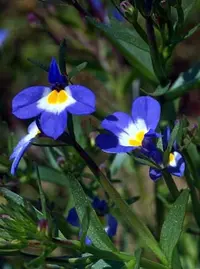
Moroccan toadflax Care (Linaria maroccana)

Also known as: Annual Toadflax, Baby Snapdragon
Moroccan toadflax

About Moroccan toadflax

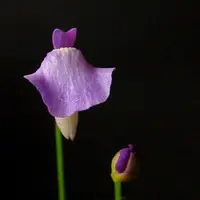
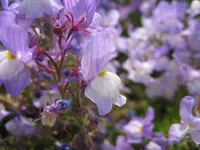
Moroccan toadflax, Linaria maroccana, is a small annual flowering plant grown mainly for its dense spikes of delicate, snapdragon-like blooms. It usually forms light, airy clumps with slender stems and fine, narrow leaves. Flowers come in many bright colors, often with two-tone or pastel shades.

This species is native to Morocco but is widely cultivated in gardens and meadow-style plantings in temperate regions. It grows quickly from seed, prefers sunny, open sites, and does best in well-drained soil. Once established, it can tolerate short dry periods, which makes it relatively simple to care for Moroccan toadflax.

Main Plant Requirements

Care Difficulty

Easy Care

Light Preference

Full Sun

Water Requirements

Moderate Water

Temperature Preference

Cool Climate

Hardiness Zone

2–11

Soil Texture

Sandy, Loamy, Rocky

Soil pH

Acidic (5.5–6.5), Slightly acidic (6.5–7.0)

Soil Drainage

Well-drained

Fertilization

Minimal (feed rarely)

Get Personalized Care Plan

Scan your plant to receive care tips personalized for your specific plant

Available on iOS and Android

How to Care for the Moroccan toadflax

This annual prefers bright, direct light in cool conditions to flower heavily.

  • Provide 6–8 hours of sun daily, ideally with full morning sun and lighter afternoon exposure, especially in hotter regions.
  • Tolerates light partial shade, but plants in less than 4–5 hours of sun become tall, weak, and produce fewer blooms.
  • In summer, protect Moroccan toadflax from intense late-afternoon sun in hot climates to reduce leaf scorch and premature flowering finish.

This species prefers slightly moist but never waterlogged soil, especially during active growth and flowering.

  • Water when the top 2–3 cm of soil feel dry, applying enough to moisten the root zone, then let excess drain away fully.
  • In cooler spring weather, watering is needed less often; increase frequency in hot, dry periods, watching for drooping stems as a sign of thirst.
  • Ensure light, fast-draining soil; yellowing, soft stems suggest overwatering, while crisp, browning leaf edges indicate underwatering in Linaria maroccana.

This cool-season annual grows best in mild temperatures and declines in strong heat or hard frost.

  • Optimal growth occurs around 55–70°F (13–21°C), which supports steady flowering and compact, sturdy plants.
  • Plants tolerate light frost down to about 28°F (-2°C) once established, but repeated freezes below this can kill young seedlings.
  • Flowering slows or stops in prolonged heat above 85°F (29°C); in hot summers, treat it as a spring or early fall plant to avoid stress.

This annual copes well with low to moderate humidity and rarely needs special humidity management outdoors.

This plant prefers light, well-drained, moderately fertile soil that does not stay wet after rainfall or irrigation.

  • Use a sandy or sandy-loam mix with 20–30% coarse sand or fine grit to keep the root zone dry between waterings.
  • Aim for slightly acidic to neutral pH, roughly 6.0–7.0, which supports nutrient availability without excess leaf growth.
  • Blend in a small amount of mature compost for nutrients but avoid heavy, peat-rich mixes that hold water too long.
  • For Linaria maroccana in containers, improve aeration by adding 20–30% perlite to prevent compaction and root suffocation.

This species is well suited to container growing outdoors for seasonal color.

  • Choose a wide, shallow pot to match its fibrous, surface-leaning roots and allow dense, even coverage of the soil surface.
  • Use a heavier material such as ceramic or clay if the container is exposed to wind, as the plant’s airy stems can make tall pots tip-prone.
  • Raise the container slightly on pot feet or bricks so drainage holes stay clear and runoff leaves the root zone quickly after watering.

Linaria maroccana benefits from light feeding to support flowering but does not need heavy fertilization.

  • Use a balanced liquid fertilizer (for example 10-10-10) diluted to 1/2 strength for container plants during active growth.
  • Feed every 3–4 weeks in spring and summer when plants are producing foliage and buds.
  • In garden soil, mix in a thin layer of compost before planting instead of frequent liquid feeding.
  • Stop feeding in fall and winter, as cooler, low-light conditions slow growth and reduce nutrient demand.

Pruning Linaria maroccana is mainly used to extend flowering and keep plants compact.

  • Shear back spent flower spikes in late spring and mid-summer to encourage fresh branching and new blooms.
  • Remove dead, damaged, or weak stems at the base using clean, sharp scissors or hand pruners.
  • Lightly shape leggy plants by trimming outer stems, which promotes denser, bushier growth.
  • Deadhead individual faded blooms on young plants if shearing feels too harsh, focusing on the top third of stems.

This annual is more often transplanted in garden beds than kept long term in containers.

  • Transplant Linaria maroccana seedlings outdoors in spring after frost, when they have 2–3 sets of true leaves.
  • If grown in pots, shift to a slightly larger container only when roots circle the pot or growth stalls.
  • Move plants with a moist but not soggy root ball to limit transplant shock and early wilting.
  • Plant into loose, well-drained soil at the same depth as before, then water gently and shade lightly for 2–3 days.

Propagation of Linaria maroccana is most successful from seed and fits well into a seasonal planting routine.

  • Sow seeds in late winter to early spring indoors or directly outdoors after frost, depending on climate.
  • Use a fine, well-drained seed-starting mix and press seeds lightly onto the surface, as they need light to germinate.
  • Maintain 60–70°F and even moisture; seeds typically sprout in 7–21 days.
  • Thin crowded seedlings so remaining plants stand 10–15 cm apart, which reduces competition and encourages strong growth.

Moroccan toadflax is usually grown as a cool-season annual and generally needs minimal winter care.

  • In mild climates, plants may overwinter if temperatures stay above about 25°F, though flowering declines.
  • Mulch lightly around the root zone in late fall to buffer soil temperature and reduce heaving.
  • Container-grown plants in colder regions can be discarded after frost or replaced with fresh seedlings next season.

Care Tips

Staggered Succession Sowing

Sow small batches every 2–3 weeks in early spring to maintain continuous bloom and avoid a single flush that fades quickly.

Selective Deadheading Technique

Pinch or cut off only the spent flower spikes while leaving a few to set seed, so you extend flowering yet still allow some self-sowing for next year.

Wind-Resistant Support

In breezy sites, run a low string or mesh support 10–15 cm above the soil so the flexible stems lean on it instead of snapping in strong wind.

Encouraging Self-Sown Drifts

After peak flowering, allow seed capsules to dry on the plant, then gently shake them over bare patches of soil to create naturalistic drifts when growing Moroccan toadflax.

Cool-Season Transitioning

As summer heat builds, shear plants back by one-third and provide light mulch at the root zone to encourage a second, lighter flush of growth in late summer or early fall.

Common Pests and Diseases

Aphids

This pest often clusters on young stems, buds, and flower spikes, sucking sap and causing curling, distortion, and sticky honeydew on foliage. Symptoms include reduced vigor and misshapen blooms, especially in dense plantings.

Solution

Spray plants with a firm stream of water to dislodge colonies, then treat remaining aphids with insecticidal soap or a ready-to-use neem oil spray, covering stems and undersides of leaves. Encourage natural predators such as lady beetles and avoid excess nitrogen fertilizer, which promotes soft, aphid-prone growth.

Powdery mildew

This disease produces a white, powdery coating on leaves, stems, and sometimes flower stalks, often in crowded or shaded plantings. Symptoms include yellowing leaves, reduced flowering, and premature leaf drop.

Solution

Improve air circulation by thinning crowded plants and avoid overhead watering, especially in the evening. Remove and dispose of heavily infected foliage and, if needed, apply a labeled sulfur or potassium bicarbonate fungicide at the first signs of powdery growth, repeating as directed during humid periods.

Rust

This disease causes small yellow spots on upper leaf surfaces and orange to brown pustules on undersides, often appearing during cool, moist conditions. Symptoms include early leaf drop and a general decline in plant appearance, particularly on older foliage.

Solution

Promptly remove and discard affected leaves to reduce spore spread and avoid overhead irrigation. In persistent cases, apply a rust-labeled fungicide and rotate planting locations from year to year to lower disease pressure in garden beds.

Downy mildew

This disease shows as pale or yellow leaf patches with grayish or purplish fuzzy growth on the undersides, especially in cool, damp weather. Symptoms include leaf curling, stunting, and eventual leaf drop on heavily affected plants.

Solution

Water at soil level in the morning so foliage dries quickly, and increase spacing between plants to improve airflow. Remove and dispose of infected material, and in severe outbreaks use a downy mildew-specific fungicide according to label directions, focusing on new growth.

Leaf miners

These insects create winding, pale tunnels inside leaves as larvae feed between the leaf surfaces. Symptoms include serpentine trails, blotchy patches, and reduced photosynthesis, though flowering often continues unless damage is heavy.

Solution

Remove and discard leaves that show fresh mines to interrupt the life cycle and reduce future populations. For repeated problems, use sticky traps to monitor adult flies and consider applying a systemic insecticide or a labeled spinosad product to young foliage, following label instructions closely.

Interesting Facts

Spring annual specialist

This species behaves as a cool-season annual, germinating in mild, moist conditions and flowering heavily in late spring to early summer before heat and drought shorten its life cycle.

Bee and hoverfly magnet

Its narrow, spurred flowers produce accessible nectar that attracts small bees and hoverflies, supporting pollinators even in disturbed or urban sites.

Colorful garden selection

Although wild plants are typically purple or violet, horticultural selections offer a wide color range from white and yellow to pink, red, and bicolors, all retaining the same fine, airy growth habit.

Botan icon

Did you know?

In some regions outside its native range in Morocco, Linaria maroccana has escaped cultivation and naturalized along roadsides, railways, and waste ground, taking advantage of disturbed soils while remaining relatively short-lived and easily managed compared with many invasive species.

FAQs about Moroccan toadflax

The flowers produce accessible nectar that attracts bees, hoverflies, and small butterflies. Planting several clumps together increases visibility to pollinators. Avoid broad-spectrum insecticides nearby, as these reduce beneficial insect activity and overall garden biodiversity.

Grow Healthy Plants with Botan Care

Keep your plants happy and healthy with plant identification, disease detection, and easy care guidance.

Botan plant care app — identify plants on mobile

Explore More Plants