Waterline Management
If grown in a container or pond basket, keep the waterline just above the soil surface during active growth and lower it slightly in late season to harden stems and reduce lodging in wind and rain.

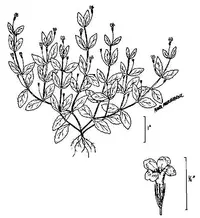
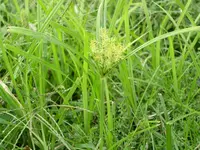
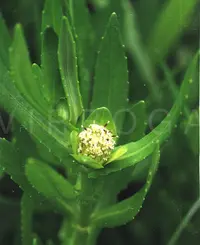
Yellowseed false pimpernel (Lindernia dubia) is a small annual wetland plant often found along pond edges, ditches, and muddy riverbanks. It typically forms low, branching clumps with narrow leaves and delicate, pale flowers.
In the wild, it occurs across much of North America in moist, disturbed sites where soil stays damp or periodically flooded. The plant grows quickly from seed and completes its life cycle in one season, which makes it easy to start but short-lived.
It suits bog gardens, naturalistic water margins, and very damp containers, as long as the soil does not dry out. Understanding how to care for yellowseed false pimpernel mainly means providing consistent moisture and a sunny to lightly shaded spot.

Care Difficulty
Moderate Care

Light Preference
Full Sun

Water Requirements
Aquatic

Temperature Preference
Cool Climate

Hardiness Zone
4–9

Soil Texture
Loamy, Silty, Organic-rich

Soil pH
Acidic (5.5–6.5), Slightly acidic (6.5–7.0)

Soil Drainage
Waterlogged tolerant

Fertilization
Minimal (feed rarely)
Scan your plant to receive care tips personalized for your specific plant
Available on iOS and Android
This wetland annual prefers bright conditions but is sensitive to intense, drying sun.
This species is adapted to very moist to saturated soils and does poorly if allowed to dry out.
This plant thrives in warm, frost‑free conditions typical of late spring through early fall.
This species prefers moist air but adapts to typical indoor humidity if roots stay wet.
Lindernia dubia naturally grows in saturated, fine-textured substrates, so container soil should stay consistently wet yet lightly aerated.
This species is suitable for containers, especially for water gardens, trays, or bog-style setups.
Lindernia dubia, or yellowseed false pimpernel, usually needs only light feeding, especially in nutrient-poor containers.
Pruning Lindernia dubia is mainly done to keep plants tidy and encourage compact, branching growth.
This species is more often transplanted in wet garden or shoreline sites than repotted as a houseplant.
Lindernia dubia is commonly propagated from seed and short stem cuttings under moist conditions.
In many regions this plant behaves as an annual and needs only minimal winter attention.

Plant Health Check
Not sure what's wrong with your plant? Check your plant's health inside the app.
This species can grow both submerged in shallow water and on exposed muddy banks, shifting from more delicate, elongated underwater stems to sturdier, more branched aerial shoots as water levels drop.
Yellowseed false pimpernel often colonizes recently disturbed wet soils such as drawdown zones of ponds, river edges, and rice fields, taking advantage of bare, nutrient-rich substrates where slower competitors cannot establish quickly.
The plant produces numerous tiny yellowish seeds in small capsules that can be transported by flowing water or stuck to wet mud, helping it spread rapidly along waterways and periodically flooded ground.
This species self-seeds freely in damp, open soil and can form loose colonies along pond edges, ditches, or wet beds. Regular deadheading and removing unwanted seedlings help limit spread and keep it within defined areas.
Keep your plants happy and healthy with plant identification, disease detection, and easy care guidance.