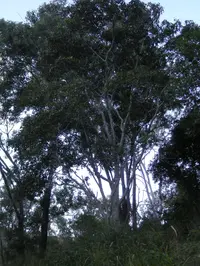
graceful necklace fern Care (Lindsaea ensifolia)

graceful necklace fern

About graceful necklace fern

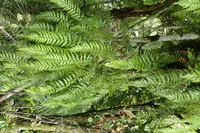
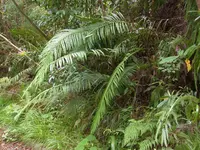
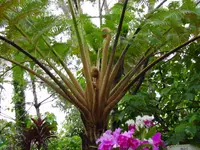
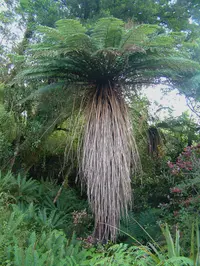
Graceful necklace fern, Lindsaea ensifolia, is a delicate evergreen fern with slender, arching fronds and small, neatly arranged leaf segments that create a fine, airy texture. It usually forms low, spreading clumps that look elegant in pots, hanging containers, or shaded understory plantings.

This species occurs naturally in humid tropical and subtropical forests across Asia and the Pacific, where it grows in consistently moist, shaded sites. Its preference for stable moisture, high humidity, and gentle, filtered light means it can be slightly demanding indoors, but becomes reliable once its needs are understood. Many growers look up how to care for graceful necklace fern before choosing it as a houseplant.

In cultivation, it does best in a loose, well-drained yet moisture-retentive mix and in locations protected from harsh sun and drying drafts.

Main Plant Requirements

Care Difficulty

Moderate Care

Light Preference

Bright Indirect Light

Water Requirements

Keep Soil Moist

Temperature Preference

Tropical / Frost Sensitive

Hardiness Zone

11–12

Soil Texture

Loamy, Peaty, Organic-rich

Soil pH

Acidic (5.5–6.5)

Soil Drainage

Moist but well-drained

Fertilization

Light (every 4–6 weeks)

Get Personalized Care Plan

Scan your plant to receive care tips personalized for your specific plant

Available on iOS and Android

How to Care for the graceful necklace fern

This fern prefers soft, filtered light that mimics a bright forest understory.

  • Provide 4–6 hours of bright, indirect light daily, such as near an east-facing window or under light tree canopy outdoors.
  • Tolerates light morning sun but avoid harsh midday or afternoon sun, which can scorch the fine fronds of graceful necklace fern and cause pale, crispy tips.
  • If fronds elongate, lean, or turn dull green, increase light slightly with sheer-curtained windows or dappled outdoor shade, especially in darker winter months.

This species needs steadily moist but airy soil, similar to a damp forest floor.

  • Water when the top 2–3 cm of soil feels just barely dry, then moisten evenly until excess drains away, avoiding waterlogged conditions.
  • In warm growing seasons, monitor more often, as Lindsaea ensifolia may need water every few days; in cooler months, allow slightly longer drying between waterings.
  • Watch for limp, crisp fronds as a sign of underwatering, and yellowing, mushy bases or sour-smelling soil as early indicators of overwatering and poor drainage.

This fern thrives in consistently warm, frost-free conditions.

  • Aim for 65–80°F (18–27°C) for best growth, similar to a sheltered subtropical understory, with only gentle daily temperature swings.
  • Protect from temperatures below 50°F (10°C); light chills slow growth, while frost can kill fronds and damage the crown.
  • In hot spells above 86°F (30°C), increase shade and humidity, avoid hot reflected surfaces, and never place near drying heaters, cold drafts, or air-conditioner outflows.

This fern needs consistently moist air to keep fronds fine and healthy.

  • Aim for 60–80% humidity; avoid levels below 40% for graceful necklace fern.
  • Crisping tips, folded pinnae, and slow frond expansion indicate low humidity stress.
  • Use a nearby humidifier, grouped plants, or a pebble tray under the pot to raise humidity.

This fern prefers a loose, moisture-retentive but airy mix that never becomes waterlogged.

  • Use a fine-textured mix of 50–60% peat or coco coir, 20–30% compost, and 20–30% perlite or fine bark for Lindsaea ensifolia.
  • Ensure fast drainage so water runs through freely but the mix still feels lightly damp a few hours after watering.
  • Target slightly acidic pH around 5.5–6.5, avoiding alkaline mixes that can lock up nutrients.
  • Avoid heavy garden soil, pure compost, or dense potting mixes that compact and suffocate roots; add perlite or bark to improve aeration.

This species is well suited to container culture due to its compact, fibrous root system.

  • Choose a wide, shallow pot to match its surface-rooting habit and prevent deep, soggy zones in the mix.
  • Use a pot material that matches your watering style, such as terracotta for faster drying or plastic for slower drying.
  • Place the container where it cannot tip, since arching fronds may shift the plant’s center of gravity as it matures.

This fern responds well to light feeding when actively growing but is sensitive to excess salts.

  • Use a balanced liquid fertilizer (around 10-10-10 or 20-20-20) diluted to 1/4–1/2 strength for graceful necklace fern in pots.
  • Feed every 4–6 weeks during spring and summer, always on moist soil to avoid root burn.
  • Pause or reduce feeding to 1 light dose in midwinter if growth slows under cooler or low-light indoor conditions.
  • Organic options like very thin compost tea or a mild slow-release pelleted fertilizer can be used sparingly at the start of the growing season.

Lindsaea ensifolia needs only light, maintenance-focused pruning to stay tidy and healthy.

  • Best timing is late winter to early spring, before new fronds unfurl, and as needed through the growing season.
  • Remove dead, yellowing, or damaged fronds at the base using clean, sharp scissors or small pruning shears.
  • Thin out crowded or inward-growing fronds to improve air movement and reduce fungal problems in humid settings.
  • Avoid cutting into healthy rhizomes; selective removal preserves the fern’s natural arching form and supports steady growth.

This fern prefers stable conditions and benefits from thoughtful, gentle repotting when it becomes root-bound.

  • Check for roots circling the pot, pushing through drainage holes, or for slowed growth as signs repotting is needed every 2–3 years.
  • Plan repotting in spring, when Lindsaea ensifolia is starting active growth and can recover more quickly from disturbance.
  • Move to a pot only 2–3 cm wider, using a loose, moisture-retentive mix, and keep the root ball as intact as possible.
  • Water thoroughly after potting, keep humidity high, and place in shaded, draft-free conditions for 1–2 weeks to limit transplant shock.

This fern is usually propagated by careful division rather than from spores in home settings.

  • Divide established clumps in spring, when new growth nubs are visible along the rhizomes.
  • Lift the plant, then gently tease or cut sections so each division has several healthy fronds and firm roots.
  • Plant divisions into small pots with fine, airy, slightly acidic mix and keep the medium evenly moist, never waterlogged.
  • Maintain high humidity (60–70%), warm temperatures around 68–75°F, and low to medium light until new fronds emerge strongly.

This tropical fern is not frost tolerant and needs mild, protected conditions over winter, especially in containers.

  • In climates below 40°F, grow Lindsaea ensifolia in pots and move indoors before the first frost is forecast.
  • Indoors, keep temperatures around 60–75°F and avoid cold drafts, heater blasts, or sudden temperature swings.
  • Maintain moderate to high humidity using trays with water and pebbles or a room humidifier during dry winter air.
  • For plants in the ground in very mild regions, apply a light organic mulch to buffer soil temperature but keep it off the crown.

Care Tips

Shallow, wide pots

Use a wide, shallow container with many drainage holes to accommodate the fern’s fibrous surface roots and allow even moisture without waterlogging the crown.

Cool root management

Place the pot inside a slightly larger cachepot with a small air gap or use a clay pot to keep roots cooler and more stable in temperature, which reduces stress in warm indoor conditions.

Gentle air circulation

Position the plant where there is soft, indirect air movement (for example near, but not in front of, an oscillating fan) to reduce fungal issues while avoiding direct drafts on the fronds.

Targeted frond grooming

Regularly remove only fully yellow or brown fronds by cutting them at the base with disinfected scissors to improve airflow and reduce disease risk without weakening the plant.

Quarantine and pest checks

Keep new plants in a separate area for 2–3 weeks and inspect the undersides of fronds and rachis weekly with a hand lens so any scale, mites, or mealybugs are detected early when caring for graceful necklace fern.

Common Pests and Diseases

Scale insects

This pest attaches tightly to the slender fronds and rachis, sucking sap and causing yellowing, stunted growth, and sticky honeydew on nearby surfaces.

Solution

Remove heavily infested fronds and gently scrape or wipe remaining scale with a cotton pad dipped in 70% isopropyl alcohol, then rinse the foliage with lukewarm water and mild soap. Improve air movement around the plant and repeat physical removal every 5–7 days until no new scale appears; for severe cases, use a labeled systemic insecticide suitable for ferns, following directions carefully.

Fern aphids

These insects cluster on soft new fronds and undersides of leaf segments, causing curling, distortion, and sticky honeydew that can encourage sooty mold.

Solution

Shower the plant with a gentle but thorough stream of lukewarm water to dislodge aphids, then use an insecticidal soap or neem oil spray labeled for ferns, making sure to cover both upper and lower leaf surfaces. Repeat treatment every 5–7 days until new growth emerges clean, and avoid overfertilizing, which can promote tender, aphid-prone growth while growing graceful necklace fern.

Rhizoctonia blight

This disease causes brown, sunken lesions at the base of fronds and along the rhizomes, leading to collapsing fronds and thinning clumps in overly warm, wet conditions.

Solution

Cut out and discard affected fronds and any soft, discolored rhizome sections, then allow the potting mix surface to dry slightly between waterings and improve air circulation around the plant. If the problem persists, repot into fresh, well-drained fern mix, discarding old soil, and use a fungicide labeled for Rhizoctonia on ornamental ferns according to label instructions.

Leaf spot

Symptoms include small, round to irregular tan or dark brown spots on the pinnae that may coalesce, often triggered by prolonged leaf wetness and poor air flow.

Solution

Remove and discard the most affected fronds, then water at the soil level and avoid splashing the foliage to keep leaves dry. Increase spacing and gentle airflow around the plant, and if spots continue to spread, apply a broad-spectrum fungicide safe for ferns, following the recommended interval until new growth appears clean.

Interesting Facts

Swordlike frond shape

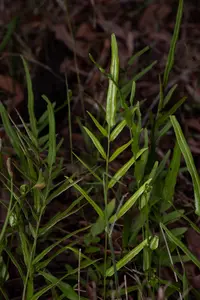
This species has very narrow, elongated pinnae that resemble blades, which is why it is often called the sword leaf fern. The linear segments are arranged alternately along a delicate, wiry rachis, giving the frond a distinctly airy, necklace-like appearance.

Specialized forest habitats

In the wild, this fern typically grows on moist, shaded forest floors and banks across tropical Asia and parts of Australia, often in humus-rich, slightly acidic soils. It can also be found along stream margins where airflow is good but direct sun is filtered by canopy trees.

Delicate but tough rachis

Although the fronds appear fragile, the central stalk (rachis) is quite wiry and flexible, allowing the plant to withstand light mechanical disturbance from rain or falling debris. This combination of fine texture and structural resilience contributes to its use as a decorative foliage fern in shaded plantings.

FAQs about graceful necklace fern

Brown tips or fronds usually come from low humidity, irregular watering, or exposure to hot, dry air. Increase ambient humidity, keep the root zone evenly moist but not soggy, and move it away from heaters or direct drafts.

Grow Healthy Plants with Botan Care

Keep your plants happy and healthy with plant identification, disease detection, and easy care guidance.

Botan plant care app — identify plants on mobile

Explore More Plants