Flying Spider Monkey Tree Fern Care (Sphaeropteris lepifera)

Also known as: Scaly Tree-fern
Flying Spider Monkey Tree Fern

About Flying Spider Monkey Tree Fern

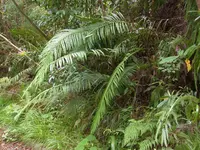
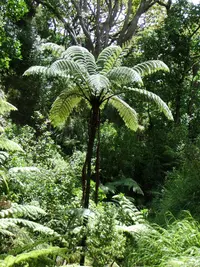
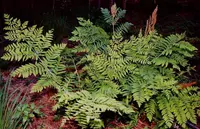
The flying spider monkey tree fern, Sphaeropteris lepifera, is a large, trunk-forming tropical fern that develops a palm-like silhouette with a crown of broad, arching fronds. It can become a striking architectural feature in suitable outdoor climates or large indoor spaces with enough humidity and room.

This species occurs naturally in subtropical and tropical Asia, often in moist, forested mountain slopes. It prefers consistently damp, rich, well-drained soil and protection from strong, drying winds.

The plant grows relatively fast under stable warmth and high humidity but can be demanding in drier homes, so understanding how to care for Flying Spider Monkey Tree Fern is important for long-term success.

Main Plant Requirements

Care Difficulty

Hard Care

Light Preference

Partial Shade

Water Requirements

Keep Soil Moist

Temperature Preference

Tropical / Frost Sensitive

Hardiness Zone

11–12

Soil Texture

Loamy, Peaty, Organic-rich

Soil pH

Acidic (5.5–6.5), Slightly acidic (6.5–7.0)

Soil Drainage

Moist but well-drained

Fertilization

Light (every 4–6 weeks)

Get Personalized Care Plan

Scan your plant to receive care tips personalized for your specific plant

Available on iOS and Android

How to Care for the Flying Spider Monkey Tree Fern

This tree fern thrives in bright, filtered light that mimics an understory forest canopy.

  • Provide 3–5 hours of gentle morning sun with dappled or bright indirect light for the rest of the day; avoid harsh midday and afternoon sun that can scorch fronds.
  • Site Flying Spider Monkey Tree Fern in partial shade, such as under high trees or a shade cloth that reduces direct sun by 40–60%.
  • In summer, increase shade or use light fabric if fronds pale or crisp at the edges; in winter, allow a bit more direct morning sun where possible.

This species prefers consistently moist, cool soil without staying waterlogged.

  • Water when the top 2–3 cm of soil feel barely dry, aiming to keep the root zone evenly damp, not soggy.
  • Ensure deep, humus-rich soil with excellent drainage; standing water around Sphaeropteris lepifera causes root rot, sour smell, and blackened frond bases.
  • In hot, dry periods, increase frequency if fronds droop or curl slightly; in cooler, rainy seasons, reduce added water and watch for yellowing or mushy bases as early overwatering signs.

This tree fern prefers a mild, frost-free climate with stable, warm conditions.

  • Aim for 60–80°F (16–27°C) for active growth; it tolerates brief dips to about 45°F (7°C) but performs best toward the middle of this range.
  • Protect from frost; exposure below 40°F (4°C) risks damage to the crown and fronds, so use mulch around the root zone and cover during cold snaps.
  • In hot spells above 85°F (29°C), provide extra shade, high humidity, and consistent soil moisture to prevent heat stress, browning tips, and premature frond decline.

This fern needs consistently high humidity to maintain healthy fronds and prevent stress.

  • Aim for 60–80% humidity, as the Flying Spider Monkey Tree Fern comes from very moist forest habitats.
  • Dry indoor air below 50% causes browning tips, crisp leaflet edges, and slowed frond expansion.
  • Increase humidity with grouped plants, a nearby cool-mist humidifier, or a pebble tray placed directly under the pot.

This fern prefers deep, moist, organic-rich soil that drains well but never dries hard.

  • Use a loose, humus-rich mix such as 50% peat or coco coir, 30% fine compost, and 20% perlite or pine bark for structure.
  • Ensure excess water drains freely; waterlogged, heavy clay or compacted ground causes root rot and weak new fronds.
  • Maintain slightly acidic to neutral conditions around pH 5.5–7.0 to support nutrient uptake and steady growth in Sphaeropteris lepifera.
  • Improve aeration by incorporating chunky bark or coarse perlite and avoiding fine, silty materials that collapse over time.

This species can be grown in large containers if its size and moisture needs are respected.

  • Choose a tall, heavy container to stabilize the top-heavy crown and withstand wind without tipping.
  • Select a pot material that matches your climate, using plastic or glazed ceramic where water evaporates quickly and terracotta in cooler, damp areas.
  • Fill the base with a layer of coarse bark or large pumice pieces to maintain deep drainage pathways under the root mass.

This fern benefits from light, consistent feeding during active growth for steady frond production.

  • Use a balanced liquid fertilizer (around 10-10-10) at 1/4–1/2 strength every 4–6 weeks in spring and summer.
  • Alternatively, apply a thin layer of fine compost or a mild slow-release fertilizer to the root zone once each spring.
  • Stop feeding Flying Spider Monkey Tree Fern in late fall and throughout winter, when growth slows markedly.
  • Flush the potting mix with plain water a few times per season to reduce salt buildup and prevent root burn.

Pruning Sphaeropteris lepifera focuses on hygiene and space management rather than shaping.

  • Best time is late winter or early spring, before vigorous new frond growth starts.
  • Remove dead, yellowing, diseased, or storm-damaged fronds at the base using clean, sharp pruners or a pruning saw for thick stalks.
  • Thin out badly crowded or crossing fronds to improve airflow and light penetration around the crown.
  • Avoid cutting into the central growing point; preserving it maintains the plant’s natural umbrella-like form.

This tree fern dislikes frequent disturbance, so repotting or transplanting should be planned and infrequent.

  • Check for roots circling the container, pushing out of drainage holes, or noticeably slowed growth as signs it needs more space.
  • Aim to transplant or up-pot in early spring, every 3–5 years, when conditions are mild and new growth is starting.
  • Move the plant with as much intact root ball and surrounding soil as possible to minimize root shock.
  • Set at the same depth, water thoroughly, then shade and shelter the plant for 1–2 weeks to reduce stress and support recovery.

Reproduction of this tree fern is technically possible but challenging for home growers.

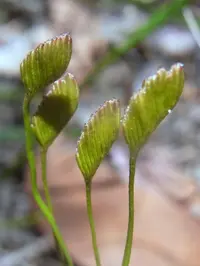
  • Most propagation relies on spores, which form on the undersides of mature fronds of Sphaeropteris lepifera.
  • Collect ripe spores in late summer, then sow on sterile, moist, fine-textured medium kept at 70–80°F in high humidity.
  • Maintain bright, indirect light and consistently moist conditions; germination and development into young ferns can take many months.
  • Vegetative division is generally not practical because this species typically forms a single trunk without natural offsets.

This fern is frost-sensitive and needs protection in regions with cold winters.

  • In climates below about 30°F, grow in containers and move plants indoors or into a cool greenhouse before hard frost.
  • Maintain indoor temperatures around 50–60°F with bright, indirect light and slightly reduced watering.
  • For in-ground specimens in mild climates, mulch the root zone with 7–10 cm of bark or leaf mold to insulate the soil.
  • Wrap the trunk and crown loosely with breathable frost cloth during cold snaps to reduce freezing injury to new fronds.

Care Tips

Secure Trunk Support

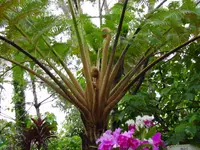
Install a sturdy stake or three-point guy wires early, then loosen and adjust them as the trunk thickens to keep the crown upright and prevent wind rock that can damage new roots.

Protect Emerging Croziers

Surround the crown with a loose collar of leaf litter or coarse bark during cool or windy periods to buffer young unfurling fronds from drying winds and mechanical damage.

Mulch For Root Zone

Maintain a 5–8 cm layer of fine bark or composted leaf mold over the root zone, keeping it away from the trunk, to stabilize moisture and temperature and support beneficial soil life.

Canopy Shade Management

Use overhead shade cloth or strategically placed taller plants to create high, filtered light above the fern, mimicking forest canopy and preventing scorch on the upper fronds when growing Flying Spider Monkey Tree Fern.

Winter Wind Screening

Set up a breathable windbreak (shade cloth, slatted screen, or shrub barrier) on the prevailing-wind side in cooler months to reduce desiccation of fronds and protect the crown from cold, drying gusts.

Common Pests and Diseases

Scale insects

This pest feeds on frond stalks and the underside of pinnae, causing yellowing, stunted growth, and sticky honeydew on the foliage. Heavy infestations can weaken the crown and reduce new frond production.

Solution

Remove heavily infested fronds and gently scrape or wipe scales from remaining tissue with a soft cloth dipped in diluted alcohol or insecticidal soap, taking care not to damage the soft rachis. Improve air movement around the plant and repeat treatments weekly until new growth emerges clean, which is a key part of Sphaeropteris lepifera care instructions in shaded, humid sites.

Fern aphids

These insects cluster on young unfurling fronds and rachis tips, sucking sap and causing distorted, sticky, and sometimes blackened foliage from sooty mold growing on honeydew. New croziers may fail to open properly when populations are high.

Solution

Rinse colonies off with a firm but gentle stream of water, focusing on the growing tips, then follow with an application of insecticidal soap or a horticultural oil labeled safe for ferns. Encourage good air circulation and avoid excess nitrogen fertilization, which can promote soft, aphid-prone growth.

Rhizoctonia crown rot

This disease attacks the central crown and bases of the fronds, especially in warm, stagnant, and waterlogged conditions. Symptoms include browning and collapse of young fronds, a mushy crown, and a foul smell from rotting tissue.

Solution

Remove and discard all affected fronds and cut out soft, discolored crown tissue with a sterile blade, then allow the remaining crown to dry slightly before resuming careful watering. Improve drainage, reduce watering frequency, and increase airflow; in valuable specimens grown outdoors, a targeted fungicide labeled for Rhizoctonia on ornamentals can be applied according to directions.

Leaf spot (fungal)

This disease appears as brown to black spots or blotches on the pinnae, often with a yellow halo, and can merge into larger dead areas under prolonged leaf wetness. Symptoms include premature frond decline and reduced ornamental value, especially in dense, shaded plantings.

Solution

Prune and discard affected fronds to reduce inoculum, avoiding overhead watering so fronds dry quickly after rain or irrigation. Increase spacing and airflow around the plant and, in persistent cases, use a preventative fungicide labeled for fern leaf spots, treating new fronds during warm, humid periods.

Interesting Facts

Rare Asian tree fern

This species is a large tree fern native to montane forests of Taiwan and parts of East Asia, where it forms striking single-trunked specimens with tall, upright stems and broad arching fronds.

Distinctive scale-covered trunk

Its trunk and leaf stalks are densely covered with persistent scales and old leaf bases, which help protect the growing tissues from mechanical damage and desiccation in exposed, humid mountain environments.

Spores instead of seeds

Like other true ferns, it reproduces by microscopic spores carried on the undersides of the fronds, which can disperse over long distances by wind and establish new plants only in consistently moist, shaded microsites.

Botan icon

Did you know?

In some parts of its native range, this species can form small, locally dominant groves on moist mountain slopes, where its tall trunks and wide fronds act as a structural layer in the forest, creating deep shade and cooler, more humid conditions that favor shade-adapted understory plants and epiphytic ferns.

FAQs about Flying Spider Monkey Tree Fern

Growth is moderate. In suitable outdoor conditions it may add roughly 30–60 cm of trunk per year once established, but young plants often grow more slowly while building root mass and adapting to their site.

Grow Healthy Plants with Botan Care

Keep your plants happy and healthy with plant identification, disease detection, and easy care guidance.

Botan plant care app — identify plants on mobile

Explore More Plants