Screw Fern Care (Lindsaea linearis)

Screw Fern

About Screw Fern

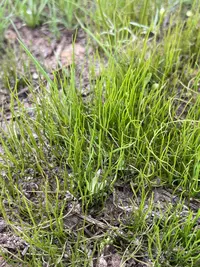
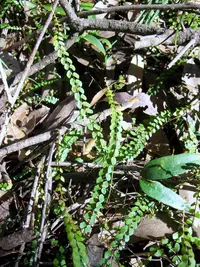
Screw fern, Lindsaea linearis, is a delicate, small fern best known for its narrow, zigzagging fronds that create a fine, airy texture. It typically forms loose clumps rather than dense bushes.

This species is native to Australia, where it grows in moist, sheltered habitats such as forest understories and creek edges. Its thin fronds and fine roots mean it dislikes drought, dry air, and compacted or heavy soils.

Given stable moisture, mild temperatures, and filtered light, it can adapt reasonably well to pots or shaded garden spots. These traits shape how to care for Screw Fern and make it better suited to attentive plant owners than to very low-maintenance conditions.

Main Plant Requirements

Care Difficulty

Moderate Care

Light Preference

Partial Shade

Water Requirements

Keep Soil Moist

Temperature Preference

Tropical / Frost Sensitive

Hardiness Zone

10–11

Soil Texture

Sandy, Loamy, Organic-rich

Soil pH

Acidic (5.5–6.5)

Soil Drainage

Moist but well-drained

Fertilization

Minimal (feed rarely)

Get Personalized Care Plan

Scan your plant to receive care tips personalized for your specific plant

Available on iOS and Android

How to Care for the Screw Fern

This fern prefers soft, filtered light similar to a bright forest understory.

  • Provide bright, indirect light or dappled shade, with about 3–5 hours of gentle morning sun and protection from harsh midday and afternoon sun.
  • Allow partial shade, especially in hotter regions; Screw Fern often grows best under tree canopies or 30–50% shade cloth in exposed gardens.
  • Watch fronds: pale or scorched tips indicate excess sun, while sparse, stretched growth suggests light is too low, especially in winter when days are shorter.

This species prefers consistently moist but not waterlogged soil.

  • Water when the top 2–3 cm of soil feels slightly dry, aiming to keep the root zone evenly damp rather than wet or soggy.
  • Use soil with good drainage and organic matter so excess water runs off; standing water around Lindsaea linearis encourages root rot and blackened fronds.
  • In warmer months increase watering frequency as evaporation rises; in cooler seasons reduce slightly and watch for curling, crisp fronds (too dry) or limp, yellowing fronds (too wet).

This fern thrives in mild, frost-free conditions year-round.

  • Aim for 60–77°F (16–25°C) for steady growth; this range supports active frond production and healthy roots.
  • Protect from cold: growth slows below about 50°F (10°C) and foliage can be damaged near 40°F (4°C); avoid any frost exposure.
  • In hot spells above 86°F (30°C), give extra shade and humidity and avoid hot, dry winds, which can scorch fronds and desiccate the soil quickly.

This fern prefers consistently moist air and reacts quickly to dry indoor conditions.

  • Aim for 60–80% humidity; growth slows and fronds become crisp at lower levels.
  • Watch for pale, browning tips and fronds that curl inwards as early humidity-stress signs.
  • Increase humidity with a pebble tray, nearby humidifier, or grouped plants; this is key when caring for Screw Fern.

This fern prefers a light, moisture-retentive yet fast-draining mix that mimics forest litter.

  • Use a loose mix of peat or coco coir, fine bark, and perlite to create an organic-rich, airy structure.
  • Keep drainage fast so water does not pool; the mix should feel springy, not compacted or sticky.
  • Target slightly acidic conditions, around pH 5.5–6.5, which suits Lindsaea linearis root function.
  • Avoid heavy clay, pure garden soil, or mixes dominated by sand, which either suffocate roots or dry too abruptly.

This species is well suited to container growing when moisture and root space are managed carefully.

  • Choose a relatively shallow but wide pot so the fibrous roots can spread while the mix stays evenly moist.
  • Select a stable container shape that prevents tipping as the fern forms a spreading, arching clump.
  • Use a pot material with moderate moisture retention, such as plastic or glazed ceramic, to slow surface drying without waterlogging.

Lindsaea linearis grows well with light, consistent feeding during active growth.

  • Apply a balanced liquid fertilizer (e.g., 10-10-10) at 1/4–1/2 strength every 4–6 weeks in spring and summer.
  • Use a dilute, well-mixed solution on pre-moistened soil to avoid burning fine roots of Screw Fern.
  • Avoid heavy compost or strong slow-release pellets that can keep soil too rich or soggy.
  • Stop feeding in fall and winter when growth slows, resuming only as new fronds appear.

Lindsaea linearis benefits from light, corrective pruning to keep fronds neat and healthy.

  • Carry out pruning in late winter or early spring before strong new growth begins.
  • Remove dead, yellowing, or damaged fronds at the base with clean, sharp scissors or snips.
  • Thin crowded fronds to improve air flow and reduce fungal issues while maintaining the plant’s natural arching form.
  • Avoid cutting green, healthy frond tips, which can slow growth and spoil the fine texture.

This fern prefers stable conditions, so repot or transplant Lindsaea linearis only when clearly needed.

  • Look for roots circling the pot, pushing through drainage holes, or noticeably slower growth as signs to move up 1 pot size.
  • Plan repotting for spring, every 2–3 years at most, when new roots and fronds are starting to grow.
  • Use a loose, moisture-retentive but well-drained mix and handle roots gently, keeping the original root ball as intact as possible.
  • Water thoroughly after repotting, then keep in bright, indirect light and high humidity for 1–2 weeks to reduce stress.

Propagation of Lindsaea linearis is usually done by careful division rather than from spores at home.

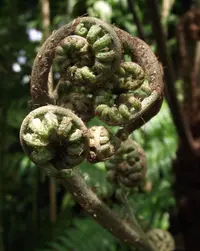
  • Divide established clumps in spring when new croziers (emerging fronds) appear and the plant is actively growing.
  • Lift the plant gently, then separate into small sections, each with several healthy fronds and a good root portion.
  • Plant divisions into a fine, moist, well-drained fern mix and keep humidity high with a cover or pebble tray.
  • Maintain steady warmth around 68–75°F and indirect light until new frond growth confirms successful establishment.

Lindsaea linearis is sensitive to frost and needs mild, sheltered winter conditions in most temperate areas.

  • In regions below 40°F, grow in containers and move plants indoors before the first frost.
  • Indoors, provide bright, indirect light, reduced watering, and stable temperatures above 55°F.
  • Outdoors in mild climates, add a light mulch layer around the root zone to moderate soil temperature and moisture.
  • Avoid cold drafts, unheated porches, and locations where fronds can freeze or desiccate in dry air.

Care Tips

Frond Support Strategy

In containers, place the pot against a low rock, log, or decorative support so the delicate, wiry fronds can lean rather than snap when handled or moved.

Shallow Root Disturbance

When repotting, keep root disturbance minimal and plant at the same depth, as this fern has fine, shallow roots that respond poorly to being teased apart or buried deeper.

Airflow Without Drafts

Position the plant where there is gentle, indirect airflow (for example near but not in front of an open window or fan) to reduce fungal problems on the fronds without exposing it to drying drafts.

Frond Hygiene Check

Rinse fronds periodically with lukewarm water to remove dust and check for early signs of scale or mites, which can be hard to spot on the thin, jointed stems.

Seasonal Light Adjustment

In winter, move the plant slightly closer to its light source and rotate the pot every 2–3 weeks to keep growth even and prevent the wiry fronds from stretching in one direction while growing Screw Fern indoors.

Common Pests and Diseases

Scale insects

This pest feeds on frond stems and undersides, causing yellowing, stunted growth, and sticky honeydew on nearby surfaces.

Solution

Remove affected fronds if heavily infested, then gently wipe remaining stems and rachises with a cotton pad dipped in diluted insecticidal soap or horticultural oil; repeat every 7–10 days until no new scale appears and keep humidity stable to reduce plant stress.

Fern aphids

These insects cluster on young frond tips and soft stems, leading to distorted growth, pale foliage, and sticky residue that can encourage sooty mold.

Solution

Rinse fronds thoroughly under a gentle stream of lukewarm water, then treat remaining colonies with a light application of insecticidal soap, repeating weekly as needed and avoiding harsh systemic products that can damage delicate fern tissue.

Rhizoctonia leaf blight

This disease causes water-soaked, irregular brown lesions along pinnae and rachises, which can coalesce and dry into papery dead patches in humid, crowded conditions.

Solution

Prune and discard affected fronds, increase spacing and airflow around the plant, keep fronds dry when watering, and if spread continues, apply a fern-safe fungicide labeled for Rhizoctonia, following label rates carefully.

Bipolaris leaf spot

Symptoms include small, round to oval brown spots with darker margins on leaf segments, which may merge into larger necrotic areas under prolonged moisture on the foliage.

Solution

Remove and dispose of spotted fronds, avoid overhead watering, water at the base in the morning, and use a protective fungicide suitable for ferns if new spots keep appearing despite improved cultural conditions.

Interesting Facts

Distinctive linear fronds

This species has unusually narrow, almost grass-like pinnae arranged along delicate blackish-brown stalks, giving it a fine-textured, wiry appearance compared with many broader-bladed ferns.

Heathland habitat specialist

It is naturally associated with nutrient-poor, often sandy or rocky heathland and woodland margins in eastern Australia, where it thrives in exposed but seasonally moist microsites such as creek banks and rock ledges.

Tolerance of mild fire regimes

In its native range it can persist in landscapes that experience periodic low-intensity fire, regenerating from protected rootstocks and from spores that recolonize open, post-fire sites when moisture returns.

FAQs about Screw Fern

Brown tips or fronds usually come from low humidity, missed waterings, or excess fertilizer salts. Improve humidity, water evenly, and flush the pot occasionally. Avoid hot, direct drafts and keep old, fully brown fronds neatly trimmed.

Grow Healthy Plants with Botan Care

Keep your plants happy and healthy with plant identification, disease detection, and easy care guidance.

Botan plant care app — identify plants on mobile

Explore More Plants