Frond handling
Move and repot the plant by holding the pot or root ball, not the fronds, since the thin rachis and pinnae snap easily and damaged fronds do not recover.

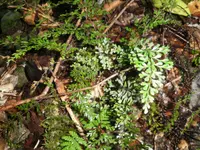
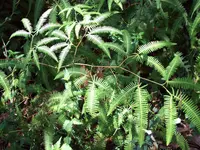
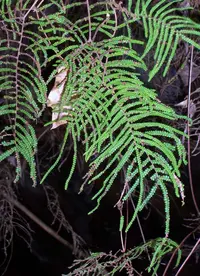
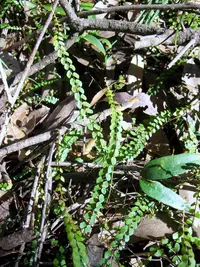
Lindsaea trichomanoides is a small, fine-textured fern known for its delicate, ladder-like fronds and graceful, arching growth. It typically forms low, airy clumps rather than tall, upright crowns.
In nature, it is found in humid, shaded forest habitats, often on slopes or among rocks where moisture is steady but not stagnant. Its thin fronds and fine roots dry out quickly, which makes it less forgiving of neglect than some common houseplants.
This fern prefers soft, filtered light, constant light moisture, and a loose, humus-rich substrate. Understanding how to care for Lindsaea trichomanoides helps keep the foliage dense and prevents frond tip dieback.

Care Difficulty
Hard Care

Light Preference
Shade

Water Requirements
Keep Soil Moist

Temperature Preference
Tropical / Frost Sensitive

Hardiness Zone
11–12

Soil Texture
Loamy, Peaty, Organic-rich

Soil pH
Strongly acidic (4.5–5.5), Acidic (5.5–6.5)

Soil Drainage
Moist but well-drained

Fertilization
Light (every 4–6 weeks)
Scan your plant to receive care tips personalized for your specific plant
Available on iOS and Android
This fern thrives in bright, filtered light that mimics a forest understory.
This species prefers consistently moist but never waterlogged soil.
Stable, mild temperatures support healthy growth and prevent stress in this fern.
This fern needs consistently high humidity to maintain healthy, fine fronds.
This species prefers a loose, moisture-retentive but well-drained mix similar to a forest floor.
This fern is suitable for container growing, provided moisture and stability are carefully managed.
This fern benefits from light, consistent feeding but is sensitive to excess salts.
Pruning is mainly used to maintain health and tidy form in this fine-textured fern.
This fern prefers stable conditions and only needs infrequent repotting or division.
Propagation is usually done by careful division, as spore raising is slow and technical for home growers.
This fern is not frost hardy and needs mild, protected conditions in winter.

Plant Health Check
Not sure what's wrong with your plant? Check your plant's health inside the app.
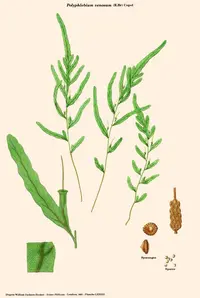
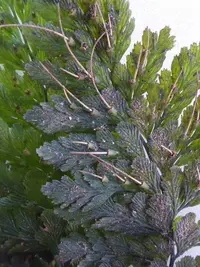
This species forms narrow, once-pinnate fronds with small, more or less trapezoid leaf segments arranged like rungs of a ladder along a very slender, often dark-colored rachis, giving the plant a fine, airy texture distinct from many other ferns in its range.
Its reproductive structures (sori) occur in continuous or nearly continuous lines along the margins of the leaflet undersides and are protected by a reflexed edge of tissue, a feature that helps distinguish it from visually similar small ferns in moist tropical forests.
The species is naturally associated with humid, shaded habitats such as low to mid-elevation tropical forest floors, stream banks, and rock crevices, where constant moisture and diffuse light support its thin, delicate fronds.
Growth is generally moderate. New fronds appear steadily through the growing season but it does not rush to fill space. In good conditions, expect noticeable size increase over 1–2 years rather than months.
Keep your plants happy and healthy with plant identification, disease detection, and easy care guidance.