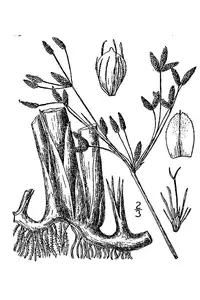
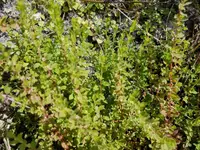
large-flower primrose-willow Care (Ludwigia grandiflora)

Also known as: Uruguayan Hampshire-purslane, Water primrose, large-flowered primrose-willow
large-flower primrose-willow

About large-flower primrose-willow

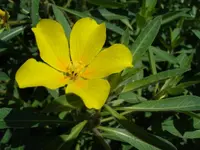
Large-flower primrose-willow (Ludwigia grandiflora) is a vigorous aquatic or semi-aquatic perennial often found along ponds, ditches, and slow-moving streams. It forms dense mats of glossy green leaves with bright yellow, showy flowers.

In suitable climates it can spread quickly and behave invasively, which affects where and how it is used in gardens or water features. Understanding how to care for large-flower primrose-willow starts with recognizing its strong preference for consistently wet conditions.

It grows best in full sun and shallow, still or slow water, or very moist soil at the water’s edge. Its toughness makes it easy to grow but also requires careful control of spread.

Main Plant Requirements

Care Difficulty

Moderate Care

Light Preference

Full Sun

Water Requirements

Aquatic

Temperature Preference

Warm Climate

Hardiness Zone

7–11

Soil Texture

Loamy, Silty, Organic-rich

Soil pH

Acidic (5.5–6.5), Slightly acidic (6.5–7.0)

Soil Drainage

Waterlogged tolerant

Fertilization

Minimal (feed rarely)

Get Personalized Care Plan

Scan your plant to receive care tips personalized for your specific plant

Available on iOS and Android

How to Care for the large-flower primrose-willow

This aquatic marginal plant prefers strong light to bloom and stay compact in ponds or wet edges.

  • Provide 6–8 hours of direct sun, with morning and midday sun ideal; light afternoon shade helps prevent leaf scorch in very hot climates.
  • Plant large-flower primrose-willow where it receives at least 4 hours of direct light; in sites with only 2–3 hours, stems stretch and flowering decreases.
  • In summer, monitor for pale, elongated shoots as a sign of insufficient light; in winter, reduced sun is acceptable, but growth will slow.

This species is adapted to saturated soils and shallow standing water rather than periodically dry conditions.

  • Grow Ludwigia grandiflora in consistently wet soil, mud, or 5–20 cm of standing water; do not allow the root zone to dry out between waterings in bankside plantings.
  • In garden soil at pond margins, water whenever the surface starts to lose its sheen and feels just moist rather than wet, before cracks or wilting appear.
  • Overwatering is rarely a problem in open, boggy ground, but yellowing, limp foliage in non-boggy beds may indicate stagnant, poorly drained soil lacking oxygen.

This plant is warm-temperate to subtropical and grows best in mild, frost-free conditions.

  • Optimal growth occurs around 70–86°F (21–30°C), with steady shoot and root development in warm, sunlit water or saturated soil.
  • The plant tolerates down to about 32°F (0°C) for short periods, but repeated frosts can damage stems; mulched crowns may resprout if roots are not frozen solid.
  • In hot spells above 95°F (35°C), growth may slow; maintain water depth and avoid exposing roots in receding shorelines to buffer against heat stress.

This wetland species needs very high humidity to thrive in cultivation.

  • Aim for 70–100% humidity, ideally with the container standing in shallow water or in a pond margin.
  • It tolerates only brief dips below 60%; extended dry air causes crisp leaf edges and slowed stem growth.
  • Increase humidity using trays of water around the pot, grouping plants, or partially submerging the large-flower primrose-willow base.

Ludwigia grandiflora prefers saturated, nutrient-rich substrates rather than conventional potting soil.

  • Use a heavy loam or clay-loam with high organic matter, such as garden loam mixed with compost and fine sand.
  • Soil should stay constantly wet to waterlogged, with slow drainage; standing water above the soil surface is acceptable.
  • A slightly acidic to neutral pH, around 6.0–7.0, supports healthy growth and nutrient uptake.
  • Avoid very sandy, fast-draining, or peat-only mixes that dry out quickly and reduce root anchoring in containers or ponds.

This species is suitable for container growing when the pot can be kept in or beside water.

  • Choose a wide, relatively heavy container so the spreading stems do not tip the pot in shallow water or bog gardens.
  • Use pots with few or no drainage holes when standing them in ponds, to hold a stable column of saturated substrate.
  • Place the container so the rim sits just above water level, allowing stems to spread across the surface without submerging the crown too deeply.

Ludwigia grandiflora responds well to moderate nutrition, especially in nutrient-poor or container conditions.

  • Use a balanced liquid fertilizer (for example, 10-10-10) at 1/4–1/2 strength for caring for large-flower primrose-willow in containers or controlled plantings.
  • Feed every 4–6 weeks during the active growing season, when water temperatures and air temperatures are consistently warm.
  • Reduce or stop feeding in late fall and winter, when growth slows or the plant becomes partially dormant.
  • In planted beds, light compost around the root zone in spring is usually sufficient instead of frequent synthetic feeding.

Ludwigia grandiflora benefits from periodic pruning to manage spread and maintain a compact, flowering form.

  • Plan main pruning in late spring or early summer once active growth is clear and frost risk has passed.
  • Remove dead, damaged, or weak stems first, then thin crowded shoots to improve light penetration and water flow.
  • Shorten overly long or leggy stems to encourage branching and denser growth, which supports more flowers.
  • Use clean hand pruners or shears, cutting just above a leaf node, and dispose of trimmings responsibly to avoid unwanted spread.

This species is more often transplanted in ponds or wet beds than repotted as a traditional container plant.

  • Transplant clumps in spring when water and soil start warming, which limits shock and supports quick re-establishment.
  • Look for signs like dense, matted roots, stunted top growth, or overcrowded patches before lifting and dividing plants.
  • Lift plants gently, rinse excess mud, then divide the root mass into sections with several healthy stems each.
  • Replant divisions at the same depth, firm the substrate, water or flood carefully, and shade if possible for a few days to reduce stress.

Ludwigia grandiflora is commonly propagated vegetatively, especially in managed ponds and controlled plantings.

  • Take 8–12 in stem cuttings in late spring or summer and place lower nodes under water or in saturated soil.
  • Remove lower leaves, leaving only a few at the tip, to reduce transpiration and focus energy on root formation.
  • Maintain warm conditions and strong light, keeping water clean or soil consistently wet to encourage rooting within weeks.
  • Division of established clumps in spring is another reliable method; replant separated sections promptly to prevent drying.

In mild climates, this species often overwinter outdoors with limited intervention, but colder areas require more attention.

  • Ludwigia grandiflora tolerates light frosts but may suffer stem dieback in prolonged freezes below about 25°F.
  • Add 5–8 cm of mulch over the root zone in late fall for in-ground plantings, especially in exposed sites.
  • Sink containers deeper in ponds or move potted plants into frost-free, bright locations for winter.
  • Allow top growth to die back naturally, then remove mushy material in late winter to reduce rot and disease carryover.

Care Tips

Control Spread Early

Install rigid pond edging or shallow barrier trays around young plants to limit their lateral spread and make future thinning much easier when growing large-flower primrose-willow in outdoor ponds or bog gardens.

Regular Biomass Harvest

Cut and remove excess stems and foliage several times during the warm season to maintain open water, reduce self-shading, and keep plants producing fresh vigorous growth.

Root Zone Management

Grow plants in wide, low containers filled with heavy loam and sink the pots into the pond or bog so the root system is contained and can be lifted, divided, or relocated without disturbing the whole water feature.

Seasonal Division Routine

Lift and divide crowded clumps every 1–2 years in early spring, discarding weak or woody sections and replanting only firm, actively growing pieces to maintain strong flowering performance.

Monitor Oxygen Balance

In small ponds, prevent dense surface mats by thinning stems whenever they cover more than about 50% of the water area, which helps maintain good oxygen levels for fish and beneficial aquatic organisms.

Common Pests and Diseases

Leaf-mining larvae

This pest tunnels inside leaves, creating winding, pale trails that can cause yellowing and premature leaf drop on emergent shoots. Damage is most visible on leaves growing above or near the water surface.

Solution

Remove and discard heavily damaged leaves and any visible larvae. Encourage natural predators in outdoor ponds, and if infestations are recurrent, use a targeted, water-safe biological insecticide labeled for leaf miners, applying only to emergent foliage to protect aquatic life.

Aphids

These insects cluster on tender stems and undersides of emergent leaves, sucking sap and causing curling, distortion, and sticky honeydew that can lead to sooty mold growth. Populations can build quickly on nutrient-rich, fast-growing shoots.

Solution

Rinse aphids from emergent stems and leaves with a firm stream of water and clip back heavily infested tips. In outdoor plantings, encourage lady beetles and other predators, and where needed use an insecticidal soap or horticultural oil applied carefully to emergent foliage, keeping treatments off open water as much as possible.

Spider mites

This pest is mainly an issue when plants are grown in warm, dry air, especially in containers or greenhouse conditions. Symptoms include fine stippling on leaves, slight bronzing, and delicate webbing on emergent or marginal stems.

Solution

Increase humidity around emergent foliage, rinse stems and leaf undersides regularly, and remove badly affected growth. For persistent problems in container or greenhouse settings, use a miticide or horticultural oil labeled for mites and repeat as directed, avoiding overspray into water to reduce impact on aquatic organisms.

Leaf spot complex

This disease appears as small brown or black spots that may enlarge and sometimes develop pale centers on emergent or marginal leaves. In dense stands with low water movement, lesions can coalesce and cause partial leaf blight or defoliation.

Solution

Thin dense patches to improve water circulation and air movement around foliage, and promptly remove and discard affected leaves. Avoid overhead irrigation on container-grown plants, and if leaf spot is severe and recurrent, consider a pond-safe fungicide labeled for ornamental aquatics, following label restrictions carefully.

Stem blight

This disease affects emergent shoots and stem bases, causing dark, sunken lesions, wilting tips, and eventual collapse of affected stems, especially in crowded or stressed stands. Symptoms include soft, discolored tissue at or just above the waterline.

Solution

Cut back and remove all blighted stems, including several cm of apparently healthy tissue below the lesion, and dispose of the debris away from the water body. Reduce plant density, avoid excess nutrient loading, and in managed ponds or containers monitor closely for reinfection, removing new suspect stems early as part of Ludwigia grandiflora care management.

Interesting Facts

Amphibious growth strategy

This species can shift between submerged, floating, and fully emergent forms, changing leaf shape and stem structure depending on water depth and flow.

Clonal mats from fragments

Stems easily root from small fragments trapped in mud or along shorelines, forming dense clonal mats that can rapidly dominate shallow water margins.

Bee-visited showy flowers

The large yellow flowers are mainly visited by bees and other insects, which transfer pollen between emergent shoots and help sustain seed production in suitable climates.

Botan icon

Did you know?

In regions where it becomes invasive, this plant can significantly slow water flow and alter sedimentation patterns in canals and lowland rivers, which can impact flood management and local aquatic communities.

FAQs about large-flower primrose-willow

This species spreads rapidly in wet or shallow-water habitats by seed and creeping stems. In suitable climates it can form dense mats that displace other vegetation, so it often requires strict containment and regular removal of unwanted shoots.

Grow Healthy Plants with Botan Care

Keep your plants happy and healthy with plant identification, disease detection, and easy care guidance.

Botan plant care app — identify plants on mobile

Explore More Plants