Encourage Deep Roots
Lightly scratch the soil surface and add a thin layer (0.5–1 in) of gritty mulch around plants to keep the root zone cool and encourage deeper, more drought-resilient rooting without crowding the crown.

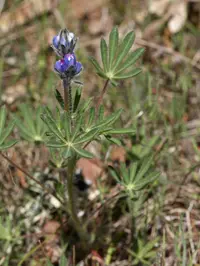
Miniature lupine, Lupinus bicolor, is a small annual wildflower native to western North America, especially California grasslands and coastal areas. It is commonly grown as an ornamental in native and meadow-style plantings.
The plant forms low clumps with slender stems, palmate leaves, and short spikes of blue and white pea-like flowers. It often blooms in spring and can self-seed to return yearly in suitable conditions.
Lupinus bicolor prefers sunny, open sites with well-drained, often poor or sandy soil, which makes it suitable for low-maintenance landscapes. These traits influence how to care for miniature lupine and make it easier to grow where winters are mild and soils do not stay wet for long periods.

Care Difficulty
Moderate Care

Light Preference
Full Sun

Water Requirements
Moderate Water

Temperature Preference
Cool Climate

Hardiness Zone
7–10

Soil Texture
Sandy, Loamy, Rocky

Soil pH
Acidic (5.5–6.5), Slightly acidic (6.5–7.0)

Soil Drainage
Well-drained

Fertilization
Minimal (feed rarely)
Scan your plant to receive care tips personalized for your specific plant
Available on iOS and Android
Lupinus bicolor thrives in sunny, open sites with cool to mild conditions during its growing season.
Lupinus bicolor prefers evenly moist, fast-draining soil during active growth, then gradually drier conditions as it sets seed.
This annual lupine prefers cool to mild conditions and completes most growth before intense summer heat.
Humidity is rarely a concern for Lupinus bicolor, which suits typical outdoor air conditions in its range.
Lupinus bicolor prefers lean, well-drained soil and is adapted to relatively low fertility conditions.
This species can be grown in containers, but it performs best when the pot setup respects its deep, taprooted habit.
Lupinus bicolor is adapted to low-nutrient soils and needs only light feeding in cultivation.
Lupinus bicolor benefits from light, well-timed pruning to support flowering and tidy growth.
This species dislikes root disturbance, so transplant Lupinus bicolor only when necessary and handle the taproot carefully.
New Lupinus bicolor plants are most reliably raised from seed under the right seasonal conditions.
Lupinus bicolor is generally cold hardy in its native range and needs minimal winter care in the ground.

Plant Health Check
Not sure what's wrong with your plant? Check your plant's health inside the app.
Lupinus bicolor is a true annual native to western North America, especially California, completing its entire life cycle from seed to seed in a single cool season before summer drought arrives.
This species forms root nodules with rhizobia bacteria that convert atmospheric nitrogen into plant-usable forms, enriching poor soils in grasslands and coastal scrub communities.
The small bicolored flowers open early in spring and provide nectar and pollen for native bees and other insects at a time when relatively few other wildflowers are in bloom.

The tiny seeds of Lupinus bicolor can persist in the soil seed bank and germinate in response to disturbance such as fire or soil scraping, allowing the species to reappear in large numbers after habitat disruption.
Poor flowering usually comes from plants being too young, crowded, or stressed by heat or drought. Excess nitrogen fertilizer can also reduce buds. Ensure full sun, lean soil, and do not deadhead too early, since seeds follow flowers.
Keep your plants happy and healthy with plant identification, disease detection, and easy care guidance.