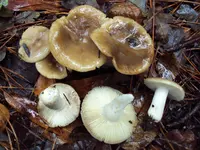
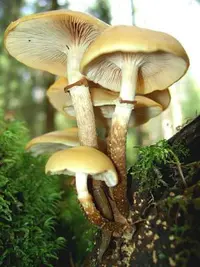
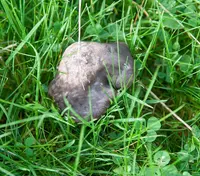
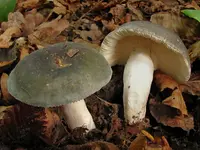
Dusky Puffball Care (Lycoperdon nigrescens)

Dusky Puffball

About Dusky Puffball

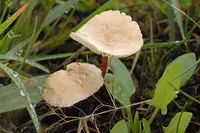
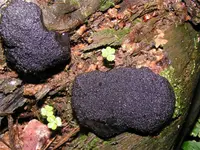
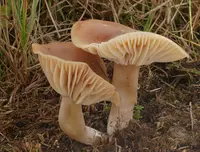
Dusky puffball, Lycoperdon nigrescens, is a small saprophytic fungus rather than a traditional leafy plant. It forms round, often darkening fruiting bodies on soil or decaying wood.

This species is native to temperate regions of North America and Europe, usually appearing in forests, grassy clearings, and along woodland paths. It often grows scattered or in loose groups.

For those interested in how to care for Dusky Puffball, it is usually left in natural or outdoor settings rather than cultivated indoors. It prefers undisturbed, organic-rich substrates with consistent moisture and dappled light.

Its ease of growth depends mostly on having suitable woodland-like conditions and minimal disturbance, rather than active gardening or pot cultivation.

Main Plant Requirements

Care Difficulty

Moderate Care

Light Preference

Partial Shade

Water Requirements

Regular Water

Temperature Preference

Cool Climate

Hardiness Zone

Unknown

Soil Texture

Loamy, Silty, Organic-rich

Soil pH

Acidic (5.5–6.5), Slightly acidic (6.5–7.0)

Soil Drainage

Moist but well-drained

Fertilization

Minimal (feed rarely)

Get Personalized Care Plan

Scan your plant to receive care tips personalized for your specific plant

Available on iOS and Android

How to Care for the Dusky Puffball

This woodland puffball prefers dappled forest-style light rather than full, open sun.

  • Provide bright, indirect light or light shade, similar to a woodland edge with 2–4 hours of gentle morning sun and shaded or filtered light for the rest of the day.
  • Tolerates deeper shade for part of the day, but heavy shade all season can reduce fruiting and lead to sparse, small Dusky Puffball bodies.
  • Avoid strong midday and afternoon sun, which can dry the substrate, overheating the developing puffballs and slowing mycelium growth, especially in warmer months.

This fungus relies on consistently moist, well-drained organic substrate rather than a standard plant-style watering routine.

  • Aim for evenly moist soil or leaf litter, allowing only the top 1–2 cm to dry slightly before re-moistening with gentle, diffuse watering or natural rainfall.
  • Increase moisture attention during active growth and fruiting seasons, reducing watering once Lycoperdon nigrescens bodies age and darken, but do not allow the substrate to become dusty dry.
  • Avoid waterlogged conditions; standing water or sour, rotting smells signal poor drainage that can damage the mycelium and prevent new puffball formation.

This species is adapted to cool to mild woodland temperatures and does best without temperature extremes.

  • Optimal fruiting often occurs around 55–70°F (13–21°C), with mycelium growth supported in a broader cool range if moisture and shade are stable.
  • The organism tolerates brief drops near 32°F (0°C), but hard, prolonged frosts can damage surface fruiting bodies, so most activity occurs in frost-free periods.
  • Sustained heat above 80°F (27°C), especially with dry air and direct sun, can halt fruiting and dry the substrate, so shaded, cooler microsites are beneficial in summer.

This fungus prefers consistently moist air but does not require strict humidity control outdoors.

  • Aim for 60–80% humidity in sheltered cultivation beds or shaded corners of the garden.
  • It tolerates short dry spells, but prolonged air below 40% slows fruiting and can cause puffballs to harden prematurely.
  • Signs of low humidity include cracked, tough outer skin; increase moisture by misting the surrounding substrate and using damp leaf litter as a local mulch around Dusky Puffball.

This species thrives in loose, humus-rich substrates that mimic decaying woodland litter.

  • Provide a crumbly mix of leaf mold, compost, and fine bark over a mineral base, allowing fungal mycelium to spread through organic matter.
  • Ensure rapid drainage; aim for a substrate that feels moist but never waterlogged, as standing water encourages competing molds and rot.
  • Maintain a slightly acidic to neutral reaction, around pH 5.5–7.0, using leaf mold or coniferous litter rather than lime-heavy materials.
  • Avoid compacted clay, sterile bagged mixes with little organic debris, and soils heavily treated with fungicides, which suppress Lycoperdon nigrescens development.

This species is generally unsuited to conventional container growing, as it prefers to colonize wider soil or litter layers rather than confined pots.

This woodland fungus usually grows without added nutrients, so fertilizing is rarely necessary for healthy Dusky Puffball development.

Pruning is not a standard practice for Lycoperdon nigrescens, as the fruiting bodies are short-lived fungal structures rather than persistent plant shoots.

This puffball is not suited to traditional repotting; it is best managed by mimicking its natural soil conditions outdoors.

  • Transplant only when moving suitable habitat soil, not individual fruiting bodies, which are temporary structures.
  • Time any habitat relocation for cool, moist weather in spring or fall to reduce stress on the underlying fungal network.
  • Move intact blocks of soil and leaf litter with minimal disturbance, keeping them shaded and evenly moist.
  • Avoid frequent disturbance; allow several years between any habitat moves so the mycelium can re-establish.

Propagation of Lycoperdon nigrescens is typically left to natural spore dispersal rather than controlled methods at home.

No special winter care is needed, as the underground fungal mycelium is generally cold hardy in its native range.

Care Tips

Spore Release Timing

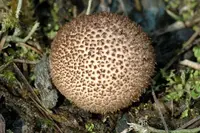
Harvest Dusky Puffball fruiting bodies for spore collection only when they turn dark and feel slightly elastic, then tap them over clean paper or foil in dry weather so spores are not clumped by excess moisture.

Substrate Batch Preparation

Prepare one larger, uniform batch of sterilized or well-pasteurized substrate, then divide and inoculate several small containers; this reduces contamination risk and lets you compare which conditions produce the best fruiting for growing Dusky Puffball.

Field Hygiene Practice

When cultivating outdoors, use dedicated tools and footwear for the mushroom bed and clean off soil clumps before moving to other garden areas to prevent spreading competing fungi and soilborne pathogens into the culture zone.

Moisture Shield Mulch

Around outdoor inoculation sites, apply a thin, breathable mulch layer such as leaf litter or fine straw to buffer moisture and temperature while still allowing air movement and puffball emergence.

Rotation Of Culture Sites

Rest a heavily fruited bed for at least 1–2 seasons and start new inoculation patches in fresh areas with similar conditions to reduce buildup of competitors and maintain reliable yields over time as part of long-term Lycoperdon nigrescens care.

Common Pests and Diseases

Mycophagous insects

These insects feed directly on puffball fruiting bodies, creating pits, tunnels, and rapid softening of the tissue. Symptoms include small entry holes, frass, and premature collapse of the mushroom.

Solution

Harvest fruiting bodies promptly once mature and discard any that show tunneling or soft spots. Reduce insect access by using fine mesh or netting in outdoor cultivation and avoid leaving overripe or decaying mushrooms on the site, which attract more mycophagous insects.

Slugs and snails

These mollusks graze on young or moist puffball fruiting bodies, leaving irregular bite marks and mucus trails. Damage often occurs overnight in damp, shaded sites.

Solution

Hand-pick slugs and snails in the evening, use physical barriers such as copper tape or rough mulch, and keep surrounding debris and dense groundcover to a minimum. If needed, apply iron phosphate slug pellets according to label directions, keeping them away from non-target wildlife.

Trichoderma colonization

This disease involves aggressive green mold fungi (Trichoderma spp.) invading puffball mycelium or developing fruiting bodies, causing green patches, deformation, and decay. Symptoms include a strong earthy odor and rapid overgrowth of green sporulating mold on the surface.

Solution

Remove and discard contaminated substrates and fruiting bodies, and avoid reusing equipment that has not been cleaned. Improve air movement, reduce excessive surface moisture, and use properly pasteurized or well-aged substrate to lower Trichoderma pressure in repeated grow sites.

Bacterial soft rot

This disease causes water-soaked, slimy areas on puffball tissue, often starting at wounds or contact points with wet soil. Symptoms include foul odor, rapid collapse of the fruiting body, and liquefied inner tissue.

Solution

Harvest puffballs when dry and avoid handling damage that creates entry points for bacteria. Improve drainage, limit overhead watering or direct water splash, and promptly remove and discard any soft, foul-smelling specimens to prevent spread to adjacent fruiting bodies.

Interesting Facts

Darkening puffball surface

The fruiting body starts pale but darkens to deep brown or almost black as it matures, due to pigment changes in the outer skin and developing spores inside.

High-elevation specialist

This species is most often found in montane and subalpine conifer forests, frequently fruiting along trails, paths, and disturbed soil in cool, higher-elevation habitats.

Distinct spore release pore

When mature, the top of the puffball develops a single opening; raindrops or pressure on the fruiting body force spores out through this pore in visible puffs.

FAQs about Dusky Puffball

Young, firm fruiting bodies are considered edible by some foragers, but correct identification is critical because similar darkening puffballs and immature Amanita species can be dangerous. Only eat specimens confirmed by an experienced mycologist and never when spore-filled.

Grow Healthy Plants with Botan Care

Keep your plants happy and healthy with plant identification, disease detection, and easy care guidance.

Botan plant care app — identify plants on mobile

Explore More Plants