Green Quilt Russula Care (Russula crustosa)

Green Quilt Russula

About Green Quilt Russula

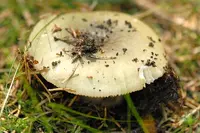
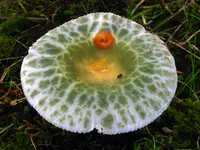
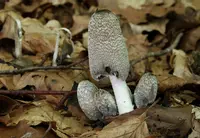
Green quilt russula, Russula crustosa, is an ectomycorrhizal mushroom, not a traditional houseplant. It forms a symbiotic relationship with tree roots, helping them absorb water and nutrients. The cap often shows a quilted, cracked pattern in greenish to yellow tones, with white gills and a sturdy, brittle stem.

This species occurs mainly in mixed and hardwood forests in eastern North America, appearing on the ground among leaf litter. It is generally considered a mild, nontoxic russula, but identification of russulas is difficult, which affects how easy it is to collect or care for Green Quilt Russula in a managed setting.

In nature it prefers well-drained, humus-rich forest soils with regular moisture and dappled light under trees.

Main Plant Requirements

Care Difficulty

Moderate Care

Light Preference

Partial Shade

Water Requirements

Regular Water

Temperature Preference

Cool Climate

Hardiness Zone

Unknown

Soil Texture

Loamy, Organic-rich

Soil pH

Acidic (5.5–6.5)

Soil Drainage

Moist but well-drained

Fertilization

Minimal (feed rarely)

Get Personalized Care Plan

Scan your plant to receive care tips personalized for your specific plant

Available on iOS and Android

How to Care for the Green Quilt Russula

This mycorrhizal mushroom prefers dappled forest light rather than direct open sun exposure.

  • Provide bright, filtered light under deciduous or mixed woodland canopies, with about 2–4 hours of gentle morning sun and shade or broken light the rest of the day.
  • Green Quilt Russula fruits best where leaf litter and understory plants soften light; avoid exposed sites with more than 1–2 hours of strong afternoon sun to prevent drying of the forest floor.
  • Choose locations that receive more light in late summer and fall as trees thin slightly, but still maintain partial shade to keep soil moisture stable and mycelium protected.

This woodland fungus depends on consistently moist, well-drained soil around its tree partners rather than direct watering of the fruiting bodies.

  • Aim for forest soil that stays evenly damp 5–10 cm below the surface; if the top 2–3 cm are dusty and crumbly, conditions are becoming too dry for reliable fruiting.
  • Avoid compacted or waterlogged ground; prolonged standing water, sour smell, or black, sticky soil indicate poor drainage that can damage tree roots and the associated Russula crustosa mycelium.
  • In dry spells, indirect irrigation such as gentle tree-root watering or soaker hoses that moisten the upper 10–15 cm of soil helps maintain humidity without directly spraying developing mushrooms.

This species fruits in warm to mildly cool conditions typical of late spring through fall in many temperate forests.

  • Optimal fruiting occurs around 65–80°F (18–27°C), with stable soil moisture and moderate humidity supporting both host trees and mycelium.
  • It tolerates cooler periods down to about 45–50°F (7–10°C), but growth slows and fruiting bodies become less frequent as temperatures drop toward this range.
  • Fruiting usually stops during hot spells above 85–90°F (29–32°C) or with drying winds; prolonged hard frost below 32°F (0°C) does not suit active growth but the underground mycelium can overwinter if protected by leaf litter.

Humidity is not a meaningful care factor for this wild ectomycorrhizal fungus and cannot be managed usefully in normal home settings.

This forest fungus relies on a living symbiosis with tree roots, so it cannot be grown in conventional potting soil.

  • In nature, Russula crustosa fruits in loose, well‑aerated leaf litter over mineral soil, typically sandy to loamy with rapid drainage after rain.
  • The underlying soil is usually slightly acidic to neutral, around pH 5.0–7.0, and enriched with decomposing leaf and wood debris rather than concentrated fertilizers.
  • Attempts to replicate its substrate should focus on deep layers of oak or mixed hardwood leaf litter blended with coarse bark pieces and minimal fine compost.
  • Avoid compacted clay, waterlogged ground, or sterile bagged mixes, since these conditions prevent stable mycorrhizal association and fruiting.

This species is not suitable for container growing, as its life cycle depends on direct association with the roots of compatible forest trees in open ground.

Russula crustosa is a wild mycorrhizal mushroom that does not benefit from direct fertilization in the way garden plants do.

Russula crustosa does not require pruning because the mushroom fruiting bodies are temporary and decompose naturally.

This fungus is not suited to normal repotting because it lives in symbiosis with tree roots in soil, not in containers.

  • Transplant only by moving colonized soil from an established site, keeping the soil structure as intact as possible.
  • Attempt moves in cool, moist weather to limit stress on the associated tree roots and fungal mycelium.
  • Minimize disturbance: do not shake soil from roots or break apart the clump of forest soil.
  • After transplanting, maintain consistent moisture around the host tree rather than focusing on the mushroom itself.

Propagation of Russula crustosa is specialized and not practical for typical home cultivation.

This species is naturally cold hardy in its native range and needs no special winter care in the landscape.

Care Tips

Retain Native Duff

Leave a 2–5 cm layer of natural leaf litter and small twigs over the root zone instead of bare raking, because this protects the fungal mycelium from drying and maintains the woodland microclimate it requires to fruit reliably.

Avoid Soil Disturbance

Do not till, double-dig, or frequently transplant trees in the area where this mushroom fruits, since breaking or compacting the soil can sever mycelial networks and sharply reduce future fruiting.

Host Tree Management

Identify and keep host trees such as oaks and related hardwoods healthy with regular arborist checks and minimal root pruning, as the fungus depends on stable mycorrhizal partnerships for energy and nutrient exchange.

Controlled Foot Traffic

Mark and use narrow access paths and harvesting spots so repeated walking does not compress the soil over wider areas, which preserves pore space, drainage, and oxygen levels around the fungal mycelium.

Microhabitat Moisture Buffer

In dry periods, place a light, breathable layer of coarse wood chips between existing leaf litter and pathways around fruiting zones to reduce surface evaporation without smothering the native forest floor, which helps when growing Green Quilt Russula in managed woodland settings.

Common Pests and Diseases

Mycophagous slugs

These pests feed directly on fruiting bodies, leaving large irregular holes and rasped surfaces on caps and stems, often overnight.

Solution

Hand-pick slugs in the evening, use beer traps or iron phosphate slug baits placed away from desirable wildlife, and reduce nearby hiding spots such as dense ground litter or boards; where possible, use fine mesh barriers around fruiting areas to physically exclude them when growing Green Quilt Russula in a managed woodland or garden setting.

Springtails

These insects congregate in moist litter and sometimes chew at young primordia, causing minor pitting or deformities on developing caps.

Solution

Improve surface drainage and avoid chronic waterlogging of the fruiting zone, gently lift and fluff leaf litter to enhance airflow, and if populations are excessive, reduce decaying organic matter immediately surrounding the desired Russula patches while maintaining overall forest floor structure.

Fungus gnat larvae

This pest lives in very damp organic layers, tunneling into young mushroom tissue and leaving soft, water-soaked spots that collapse quickly.

Solution

Lower surface moisture by spacing waterings or redirecting irrigation, use sticky traps to reduce adult gnats in nearby growing areas, and lightly disturb the top organic layer to break larval habitat without fully removing the mycorrhizal host tree litter.

Parasitic Hypomyces

This disease, caused by parasitic fungi such as Hypomyces species, can overgrow caps with a whitish, yellow, or reddish crust, distorting and hardening the mushroom surface.

Solution

Immediately remove and discard any infected fruiting bodies without spreading spores, avoid disturbing contaminated material across the site, and favor good airflow and natural litter turnover so that new, uninfected fruiting bodies from the mycorrhizal network can emerge in cleaner micro-sites.

Interesting Facts

Patchwork cap colors

The cap of this species often shows a mosaic of green, yellow, and brown patches that crack into small plates as it ages, giving it the common name green quilt russula.

Hardwood forest specialist

This mushroom is typically found in association with oaks and other hardwoods in eastern North American forests, reflecting its preference for well-drained, deciduous woodland soils.

Variable edibility reports

Although some regional field guides list it as edible and mild-tasting, other sources advise caution because of the difficulty of distinguishing it from similar Russula species, so accurate identification is essential.

Botan icon

Did you know?

Russula crustosa forms ectomycorrhizal partnerships with the roots of hardwood trees, where its underground fungal threads trade mineral nutrients and water for sugars produced by the tree, helping maintain the health and productivity of mature forest ecosystems.

FAQs about Green Quilt Russula

This mushroom is generally considered edible but quality is variable and identification is difficult. Many russulas look similar, including some that cause stomach upset. Only experienced foragers should consume it, after confirming identification with regional guides.

Grow Healthy Plants with Botan Care

Keep your plants happy and healthy with plant identification, disease detection, and easy care guidance.

Botan plant care app — identify plants on mobile

Explore More Plants