vampire's bane Care (Mycetinis scorodonius)

vampire's bane

About vampire's bane

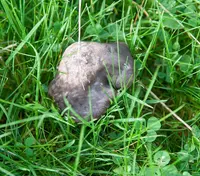
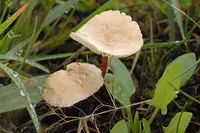
Vampire's bane, Mycetinis scorodonius, is a small woodland mushroom known for its strong garlic scent. It grows from leaf litter, twigs, or mossy ground in loose clusters. Caps are typically thin and brownish, with slender pale stems that often appear slightly tough or wiry. This species is native to Europe but is also reported in other temperate regions where suitable forests exist. It is a saprophytic fungus, meaning it feeds on dead organic material and helps decompose forest debris. In cultivation, it prefers cool, humid conditions, shaded spots, and consistently moist but not waterlogged substrates. For most home growers, how to care for vampire's bane focuses on recreating a damp, sheltered forest floor environment rather than typical houseplant conditions.

Main Plant Requirements

Care Difficulty

Hard Care

Light Preference

Partial Shade

Water Requirements

Keep Soil Moist

Temperature Preference

Cool Climate

Hardiness Zone

Unknown

Soil Texture

Loamy, Silty, Organic-rich

Soil pH

Acidic (5.5–6.5)

Soil Drainage

Moist but well-drained

Fertilization

Minimal (feed rarely)

Get Personalized Care Plan

Scan your plant to receive care tips personalized for your specific plant

Available on iOS and Android

How to Care for the vampire's bane

Mycetinis scorodonius thrives in cool, dappled woodland light rather than direct, open sun.

  • Provide bright shade or filtered light under trees, aiming for 1–3 hours of gentle morning sun and no harsh midday or afternoon sun.
  • Allow partial shade to deep shade; sites receiving broken light through foliage for 6–8 hours suit vampire's bane best.
  • Avoid exposed full sun, which dries the substrate and damages mycelium; in summer, choose north or east-facing woodland edges rather than open, south-facing spots.

Mycetinis scorodonius prefers consistently moist, well-drained woodland soil that never dries out completely or stays waterlogged.

  • Check the top 2–3 cm of soil or leaf litter; water or irrigate when it feels just starting to dry but is still slightly cool and damp.
  • Use loose, humus-rich, free-draining soil so excess water can drain away, reducing the risk of standing water and root or mycelial rot.
  • In warm, dry periods, maintain steady moisture with light, frequent watering or misting; in cool, wet seasons, rely more on rainfall and watch for sour smell or slimy patches as overwatering signs.

This woodland fungus develops best in cool to mild conditions, avoiding both hard frost and intense heat.

  • Aim for fruiting conditions around 50–68°F (10–20°C), with slow but possible development from 45–72°F (7–22°C).
  • Protect sites from hard freezes below about 28°F (-2°C), which can damage fruiting bodies, though underlying mycelium often survives short cold spells under insulating leaf litter.
  • Reduce exposure to hot, dry conditions above 77–82°F (25–28°C) by providing shade, thick mulch, and good moisture to prevent desiccation and stalled fruiting.

This fungus prefers consistently moist, cool air but usually adapts to 60–80% humidity in sheltered outdoor spots.

  • Tolerates short periods of drier air if the substrate stays evenly moist and shaded.
  • Watch for caps drying, cracking, or failing to expand fully as signs of low humidity stress in vampire's bane.
  • Increase humidity by using a damp leaf-litter layer, nearby water trays, or wind protection rather than misting directly.

Mycetinis scorodonius needs a loose, organic-rich substrate that mimics decaying forest litter.

  • Use finely shredded hardwood leaf litter mixed with well-rotted wood chips and a small amount of compost for a loose, fibrous texture.
  • Aim for a slightly acidic to neutral pH around 5.5–7.0, avoiding liming unless the source material is very acidic.
  • Ensure fast drainage by avoiding heavy clay, adding coarse bark or perlite so water moves through while the organic matter holds moisture.
  • Do not compact the substrate; keep it airy so fungal mycelium can spread easily between particles.

This species is suitable for short-term container cultivation when the pot mimics a moist, woody forest floor.

  • Choose a wide, shallow container to maximize surface area for colonized substrate rather than depth for roots.
  • Use a rigid pot material that insulates the substrate from rapid temperature and moisture swings, such as thick plastic or glazed ceramic.
  • Elevate the container slightly so drainage holes never sit in standing water, preventing anaerobic conditions in the fungal bed.

Mycetinis scorodonius, sometimes called vampire's bane, is a saprophytic fungus that gains nutrients from decaying organic matter and rarely benefits from traditional fertilizing.

Pruning is not a standard practice for Mycetinis scorodonius, as the visible mushrooms are temporary fruiting bodies rather than a woody or leafy plant structure.

Cultivation of Mycetinis scorodonius focuses on its substrate rather than true repotting, since it is a wood- and litter-decaying fungus, not a conventional potted plant.

  • Transplant or start new cultures when the original substrate is exhausted, shows poor fruiting, or becomes heavily contaminated with molds.
  • Plan work for cool, stable conditions, avoiding temperature extremes that stress the mycelium, the main fungal body within the substrate.
  • Move small colonized substrate blocks gently into fresh, similar material, maintaining moisture and good aeration while disturbing the mycelium as little as possible.
  • After transplanting, keep the substrate evenly moist, shaded, and well ventilated to limit shock and reduce the risk of bacterial or mold overgrowth.

Propagation of Mycetinis scorodonius is specialized and usually handled by fungal hobbyists or labs rather than casual plant owners.

Outdoor populations of Mycetinis scorodonius in temperate regions tolerate normal winter conditions and generally need no targeted protection.

Care Tips

Use breathable containers

Cultivate the fungus on shallow, well-ventilated trays or baskets lined with moisture-retentive but airy material (such as soaked, squeezed-out cardboard or leaf litter) so the fine mycelium receives enough oxygen and does not suffocate in compacted substrates.

Precondition the substrate

Before inoculation, pasteurize small batches of wood-based or leaf-based substrate at 150–170°F for 30–60 minutes to knock back competing fungi and bacteria while preserving beneficial microbes that support steady colonization.

Introduce garlic residues

Incorporate a small, evenly mixed amount of well-chopped, fully cooled garlic-processing waste or garlic skins into the base substrate to mimic the natural association with Allium-rich sites without creating wet, anaerobic pockets.

Monitor gas exchange

When using plastic tubs or boxes, drill many small holes (2–3 mm) on sides and lid and cover them with fine filter material so carbon dioxide can escape while spores, gnats, and mites have limited access to the culture.

Rotate colonization sites

Outdoors, rotate inoculated patches between slightly different spots each year, adding fresh woody debris and leaf litter, to reduce buildup of specialized competitors and pests and improve long-term success in growing vampire's bane.

Common Pests and Diseases

Fungus gnat larvae

This pest targets the moist organic substrates used to cultivate this fungus, where larvae feed on fine mycelial threads and very young pins. Symptoms include slow or uneven colonization, aborted or misshapen pins, and visible tiny black gnats hovering over trays or bags.

Solution

Reduce standing moisture by allowing the top layer of substrate or casing to dry slightly between mistings, and improve air movement to discourage adults from settling. Use yellow sticky traps to catch flying gnats, remove heavily infested substrate sections, and, if needed, apply a biological control such as Bacillus thuringiensis israelensis (Bti) in irrigation water according to label directions.

Mite infestation

These insects (technically arachnids) feed on mycelium and developing mushrooms, leading to pitted, deformed caps and slowed growth in dense cultivation setups. Symptoms include tiny moving pale or reddish dots on substrate surfaces and around the base of fruiting bodies.

Solution

Discard or isolate heavily infested blocks or trays, clean and disinfect shelving and tools, and reduce excess organic debris that shelters mites. Improve hygiene in the grow area, filter incoming air where possible, and, in persistent cases, introduce predatory mites that target pest mites without harming the crop.

Green mold (Trichoderma)

This disease appears as rapidly spreading white mycelium that soon turns bright to dull green, outcompeting the crop and causing failure of colonization or fruiting. Symptoms include patchy colonization, a strong earthy or musty odor, and visible green sporulation on the surface of the substrate or casing.

Solution

Promptly remove and discard contaminated blocks, bags, or trays to reduce spore load, and avoid opening highly infected material inside the grow room. Clean and disinfect the growing area, use properly pasteurized or sterilized substrate, and tighten hygiene and air filtration so new batches start with minimal contaminant spores, which is essential for consistent Mycetinis scorodonius care.

Bacterial blotch

This disease, often linked to Pseudomonas species, develops under very humid and poorly ventilated conditions, causing oily yellow to brown spots on caps and a slimy surface. Symptoms include localized discoloration, sticky lesions, and an overall waterlogged appearance of affected fruiting bodies.

Solution

Increase fresh air exchange and avoid fine misting directly onto caps, especially shortly before harvest, to keep surfaces from staying wet for long periods. Remove and discard blotched mushrooms, clean humidifiers and nozzles, and keep surfaces and tools disinfected so bacterial populations remain low in the grow space.

Interesting Facts

Natural garlic aroma

This fungus releases a strong garlic-like smell due to sulfur-containing compounds that are similar to those in Allium species such as culinary garlic.

Specialist on leaf litter

It usually fruits on fallen beech and conifer needles in nutrient-poor forest litter, helping to break down tough leaf material and recycle nutrients in temperate woodlands.

Tiny but cold-tolerant

The fruiting bodies are very small and delicate but often appear during cool, damp weather in autumn and early winter across much of Europe and parts of North America.

Botan icon

Did you know?

Dried fruiting bodies of this species have been traditionally used in some European regions as a natural flavoring, where their intense garlic scent can season dishes despite the mushrooms’ very small size.

FAQs about vampire's bane

This mushroom species is regarded as inedible due to its small size and tough, fibrous texture, despite its strong garlic scent. It is not used as a culinary mushroom and should not be foraged for food.

Grow Healthy Plants with Botan Care

Keep your plants happy and healthy with plant identification, disease detection, and easy care guidance.

Botan plant care app — identify plants on mobile

Explore More Plants