Charcoal Burner Care (Russula cyanoxantha)

Charcoal Burner

About Charcoal Burner

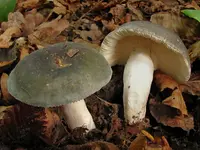
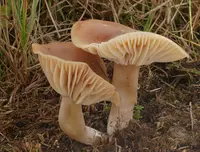
Charcoal burner, Russula cyanoxantha, is a wild mushroom rather than a traditional garden plant. It forms fleshy caps in gray, purple, or green tones with pale gills and a stout white stem.

This species typically appears in summer and autumn in mixed and broadleaf woodlands, especially under beech and oak, where it lives in symbiosis with tree roots. It is considered an edible russula, but correct identification is essential before any use.

Because it depends on a close partnership with host trees, it is difficult to cultivate intentionally at home. Most people do not try to care for Charcoal Burner and instead encounter it while foraging in suitable forests.

Main Plant Requirements

Care Difficulty

Hard Care

Light Preference

Partial Shade

Water Requirements

Keep Soil Moist

Temperature Preference

Cool Climate

Hardiness Zone

Unknown

Soil Texture

Loamy, Silty, Organic-rich

Soil pH

Acidic (5.5–6.5), Slightly acidic (6.5–7.0)

Soil Drainage

Moist but well-drained

Fertilization

Minimal (feed rarely)

Get Personalized Care Plan

Scan your plant to receive care tips personalized for your specific plant

Available on iOS and Android

How to Care for the Charcoal Burner

This woodland mushroom prefers cool, shaded forest conditions rather than open sun.

  • Provide dappled or filtered light under trees, similar to 1–3 hours of weak morning sun and shade the rest of the day.
  • Avoid full midday and afternoon sun, which can dry the forest floor quickly and suppress Charcoal Burner fruiting.
  • In summer, seek north-facing or densely canopied spots; in spring and fall, slightly brighter but still shaded locations are acceptable.

This species depends on consistently moist, well-drained forest soil rather than direct watering.

  • Aim for soil that stays evenly damp 5–10 cm below the surface, never waterlogged or bone-dry.
  • If managing a planted woodland bed, water only when leaf litter feels dry to the touch and the top 3–5 cm of soil start to lose moisture.
  • Signs of excess water include sour, swampy odor and standing puddles; prolonged dryness causes brittle leaf litter and shriveled fungal tissue.

This ectomycorrhizal mushroom favors mild to moderately warm conditions and avoids extremes.

  • Optimal fruiting usually occurs around 55–70°F (13–21°C) with steady soil moisture under trees.
  • Russula cyanoxantha can tolerate cool spells down to about 40°F (4°C) in soil, but hard frost below 32°F (0°C) can damage or halt fruiting bodies.
  • Sustained heat above 80–85°F (27–29°C) dries the upper soil layer; deeper shade, thicker leaf litter, and mulched tree roots help buffer temperature swings.

This ectomycorrhizal mushroom needs sustained, forest-like humidity to fruit well outdoors.

  • Aim for 70–90% air humidity around colonized substrate, especially during pinning and fruiting.
  • Tissue that dries or cracks at the cap edge, plus stalled growth, indicates humidity is too low.
  • Use damp leaf litter, soaked hardwood chips, or a humidity tent over the bed to maintain a moist microclimate for Charcoal Burner.

This fungus requires a specific forest soil environment rather than conventional potting soil.

  • Russula cyanoxantha associates with broadleaf tree roots in loose, humus-rich mineral soil, not in dense or purely organic media.
  • The ideal substrate is a well-drained, crumbly forest loam with high leaf litter content and moderate sand or fine gravel for structure.
  • Target slightly acidic conditions, roughly pH 5.0–6.5, by using oak or beech leaf litter and avoiding lime-rich materials.
  • Mimic natural habitat by layering mineral soil, decayed leaves, and hardwood chips to improve aeration while preventing waterlogging.

This species is generally unsuitable for container growing because it depends on living tree roots in natural soil.

Russula cyanoxantha (Charcoal Burner) is a wild mycorrhizal mushroom that normally does not need fertilization when growing in suitable soil with host trees.

Russula cyanoxantha is not pruned; mushroom fruiting bodies are simply harvested at ground level when mature.

This ectomycorrhizal fungus is seldom grown in containers; focus on minimizing soil disturbance where it naturally associates with host tree roots.

  • Avoid transplanting established colonies, since disturbing the soil and fine roots can disrupt the mycorrhizae.
  • If moving young host trees, keep the native soil around the root ball intact to preserve fungal threads.
  • Choose a planting site with similar soil type, pH, and moisture to support ongoing Russula cyanoxantha fruiting.
  • After transplanting a host tree, water gently and avoid deep cultivation or compaction around the root zone.

Propagation of Russula cyanoxantha is specialized and usually left to natural spore dispersal and mycorrhizal spread in suitable woodlands.

This woodland mushroom is naturally cold hardy in its native range and needs no specific winter care in the ground.

Care Tips

Mycorrhizal partner trees

When choosing a site, plant or use existing partner trees such as beech, oak, or hornbeam, since this species relies on a mycorrhizal relationship with their roots to fruit regularly.

Leaf litter management

Maintain a 3–5 cm layer of broadleaf litter over the soil, topping it up each autumn to protect fine roots, buffer moisture, and provide the natural microhabitat needed for stable fruiting.

Gentle harvesting method

Twist and lift the mushroom gently at the base rather than cutting high on the stem, then replace the leaf litter to reduce disturbance to the underground mycelium network.

Soil compaction control

Keep foot traffic, machinery, and heavy containers away from the root zone around host trees, because compacted soil reduces air spaces and restricts the mycelium that produces fruiting bodies.

Moisture microclimate setup

Use low, open-sided log or branch edging around the fruiting area to slow wind at ground level and help keep the forest floor evenly moist without waterlogging, which supports more reliable fruiting when growing Charcoal Burner.

Common Pests and Diseases

Mycophagous insects

These insects feed on the fruiting bodies, creating pits, tunnels, and soft, decaying areas in caps and stems.

Solution

Harvest mushrooms promptly when mature, discard heavily tunneled or mushy specimens, and avoid leaving old fruiting bodies in place, which attract more insects; covering small patches with fine mesh or netting in managed sites can reduce egg‑laying on developing mushrooms.

Slug and snail grazing

These pests rasp away cap and gill tissue, leaving irregular holes, slime trails, and distorted or half‑eaten mushrooms.

Solution

Hand‑pick slugs and snails during cool, damp periods, use physical barriers such as copper tape or coarse grit around high‑value survey or collection areas, and remove dense ground litter directly around fruiting bodies in managed spots to make the area less favorable for sheltering mollusks.

Parasitic fungi

This disease group includes fungi that colonize the mushroom surface or tissue, causing discoloration, deformation, or cottony overgrowth on caps and gills.

Solution

Do not consume parasitized mushrooms, remove and discard visibly infected fruiting bodies to reduce local spore load, and avoid disturbing the surrounding soil and leaf litter so the underlying mycelium remains healthy and better able to produce clean fruiting bodies in future flushes.

Bacterial blotch and decay

This disease causes water‑soaked spots, slimy patches, and rapid softening of caps, often starting where the surface stayed wet for long periods.

Solution

Harvest only firm, dry mushrooms, avoid washing or soaking caps in standing water, and improve air movement around stored collections; in outdoor observation sites, do not compact the soil and leaf layer so drainage remains good and fruiting bodies dry more quickly after rain.

Nematode damage

These microscopic worms feed on the mycelium or internal mushroom tissues, leading to stunted, misshapen, or prematurely collapsing fruiting bodies.

Solution

Avoid excessive soil disturbance and chemical inputs that disrupt the natural soil food web, leave healthy forest litter and associated plants in place to support a balanced microfauna, and remove obviously deformed or collapsing mushrooms so they do not become concentrated breeding sites for mycophagous nematodes.

Interesting Facts

Unique brittle gill texture

Unlike most russulas, this species has unusually flexible, almost waxy gills that do not snap cleanly, which is one of the key diagnostic characters used by mycologists to separate it from similar brittle-gilled relatives.

Highly mycorrhizal generalist

It forms ectomycorrhizae with a wide range of broadleaf trees, especially beech and oak, helping them access nutrients in the soil while receiving sugars produced by the host through photosynthesis.

Variable cap coloration

The cap shows striking color variation, often mixing purple, green, gray, and bluish tones on a single fruit body, and can fade or patch with age and weather, which sometimes makes field identification challenging for beginners.

Botan icon

Did you know?

In European field guides, this species is one of the few russulas consistently rated as a choice edible mushroom, valued for its mild taste and firm texture, and is traditionally collected in some regions almost as commonly as chanterelles and boletes.

FAQs about Charcoal Burner

This mushroom is a well-known edible species when correctly identified and cooked. It has a mild taste and firm texture. As with all wild fungi, only consume specimens identified with certainty by an experienced mycologist.

Grow Healthy Plants with Botan Care

Keep your plants happy and healthy with plant identification, disease detection, and easy care guidance.

Botan plant care app — identify plants on mobile

Explore More Plants