Lycoris sanguinea Care

Lycoris sanguinea

About Lycoris sanguinea

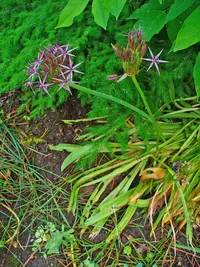
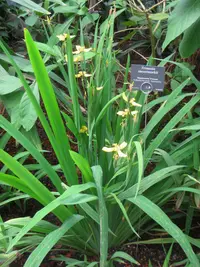
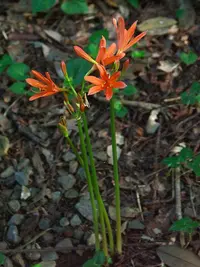
Lycoris sanguinea is a bulb-forming perennial known for its bright orange to reddish, spider-like flowers that appear on bare stems in late summer. The foliage emerges separately, usually in autumn, then dies back as the bulbs rest underground. Native to Japan and parts of East Asia, it often grows in woodland edges, grassy slopes, and well-drained hillsides. This natural habitat hints at its preference for bright light with some protection from harsh midday sun and soil that does not stay wet. Once established, it can be long-lived but may resent frequent disturbance, so how to care for Lycoris sanguinea often focuses on planting it in a stable, suitable spot from the start.

Main Plant Requirements

Care Difficulty

Moderate Care

Light Preference

Full Sun

Water Requirements

Moderate Water

Temperature Preference

Cool Climate

Hardiness Zone

5–9

Soil Texture

Sandy, Loamy, Organic-rich

Soil pH

Acidic (5.5–6.5), Slightly acidic (6.5–7.0)

Soil Drainage

Well-drained

Fertilization

Minimal (feed rarely)

Get Personalized Care Plan

Scan your plant to receive care tips personalized for your specific plant

Available on iOS and Android

How to Care for the Lycoris sanguinea

This bulb prefers bright outdoor light with some protection from the strongest sun.

  • Provide 4–6 hours of direct morning sun, then light afternoon shade, especially in hotter regions.
  • Tolerates light dappled shade under deciduous trees, but flowering of Lycoris sanguinea declines in dense shade.
  • Avoid harsh, all-day afternoon sun, which can scorch leaves and dry soil too fast; in summer, filtered light during 12–4 p.m. reduces stress.

This species prefers evenly moist but never waterlogged soil during active growth.

  • During leaf and flower growth, water when the top 3–5 cm of soil feels dry, allowing excess to drain freely.
  • Use a gritty, well-drained soil to protect the bulbs from rot; soggy or foul-smelling soil signals overwatering.
  • In summer dormancy, reduce watering sharply, keeping soil barely moist; shriveling bulbs or limp foliage indicate underwatering earlier in the season.

This bulb is hardy in temperate climates and benefits from a cool winter rest followed by warm growing conditions.

  • Active growth and flowering are best at 65–80°F (18–27°C), with cooler nights promoting stronger stems.
  • Dormant bulbs tolerate down to about 10–15°F (-12– -9°C) in well-drained soil; prolonged freeze in waterlogged ground increases loss risk.
  • In hot summers above 90°F (32°C), provide afternoon shade and avoid heat-reflecting surfaces to prevent soil overheating around the bulbs.

This bulb tolerates typical outdoor humidity but performs best with moderately moist air.

  • Aim for 40–60% humidity in garden beds or containers, avoiding hot, very dry sites near walls or pavement.
  • Tolerates brief dry air, but repeated low humidity with heat may cause leaf tip browning and quicker flower fade.
  • Increase local humidity by mulching the soil surface and grouping plants to reduce evaporation around the foliage.

This species prefers loose, well-drained, slightly acidic to neutral soil that stays lightly moist but not wet.

  • Use a sandy or loamy structure with 30–40% coarse sand or fine grit to keep water moving away from the bulbs.
  • Incorporate 20–30% mature compost to provide nutrients while keeping the mix friable and aerated.
  • Target a pH around 6.0–7.0; avoid very alkaline or salty soils that can reduce nutrient availability.
  • For Lycoris sanguinea, avoid heavy clay or compacted ground; raise the bed or mix in grit and bark fines to prevent bulb rot.

This species can grow well in containers when drainage and bulb spacing are carefully managed.

  • Select a deep, heavy container so the bulb zone stays stable and the pot does not tip in wind when stems elongate.
  • Position bulbs with their necks just below the mix surface to reduce water sitting over the crown while still buffering temperature swings.
  • Elevate the pot on feet or bricks so drainage holes stay clear and excess water escapes quickly after rain or irrigation.

This bulb benefits from light feeding but performs well in reasonably fertile garden soil.

  • Apply a balanced slow-release fertilizer (for example 8-8-8 or 10-10-10) in early spring as foliage emerges.
  • Use a light rate only, roughly half the label recommendation, to avoid lush, weak growth.
  • Supplement with a thin layer of compost around the clump once a year to maintain soil fertility.
  • Stop feeding Lycoris sanguinea once foliage starts yellowing and remains dormant through summer and winter.

Pruning needs are minimal and focus on cleanliness rather than shaping.

  • In late autumn or when foliage naturally yellows and collapses, cut leaves back to ground level with clean hand pruners.
  • Remove only dead, diseased, or damaged leaves and spent flower stalks to limit disease and improve appearance.
  • Avoid cutting healthy green foliage, since leaves are storing energy for next year’s flowers.
  • Disinfect blades before and after use, especially if any rot or fungal spotting is present.

This bulb is usually grown in the ground, where it prefers to remain undisturbed for many years.

  • Consider transplanting only when flowering declines, clumps become crowded, or bulbs appear at the soil surface.
  • Plan moves for late summer to early autumn, after foliage has fully died back and before new roots start.
  • Lift bulbs gently with a fork, keeping roots and attached offsets intact, and replant at the same depth in well-drained soil.
  • Water lightly after replanting, then keep soil just slightly moist to limit shock and encourage re-establishment.

Division of dormant bulbs is the most reliable method for increasing Lycoris sanguinea.

  • Divide clumps in late summer to early autumn, once leaves have died back and flower stalks have finished.
  • Lift the clump carefully and separate offsets by hand, keeping basal plates and roots intact.
  • Replant offsets immediately into well-drained soil, spacing bulbs 10–15 cm apart at a depth about 2–3 times bulb height.
  • Water sparingly after planting and maintain a dry-to-slightly-moist soil to discourage bulb rot while roots develop.

This species is generally hardy in temperate gardens and needs only light winter attention in suitable climates.

  • In regions colder than about USDA zone 6, add a 5–8 cm mulch layer over the bulb area after soil cools.
  • Use loose materials such as shredded leaves or straw so moisture can escape and bulbs do not rot.
  • Container-grown bulbs in colder climates should be overwintered in a frost-free but cool, bright place with barely moist soil.

Care Tips

Mark Dormant Sites

Insert small, durable labels where each bulb is planted so you do not disturb or damage them when the foliage dies back and the planting area looks empty.

Staggered Bulb Planting

Plant bulbs at slightly different depths, for example 8–12 cm, to spread bloom time over several weeks and reduce the risk of all flowers being lost to a single heat wave or storm.

Controlled Clump Division

Divide congested clumps only after the foliage has fully yellowed and store lifted bulbs in a dry, airy crate at 50–60°F for a few weeks before replanting to reduce transplant shock.

Summer Dry Protection

In regions with wet summers, place a simple low plastic tunnel or rain shield over the planting bed during prolonged rainy periods to keep the dormant bulbs from rotting.

Minimal Mulch Strategy

Use a very thin, gritty mulch layer such as coarse sand or fine gravel directly over the bulbs to suppress weeds while still allowing the soil surface to dry quickly, which is important when growing Lycoris sanguinea in climates with humid summers.

Common Pests and Diseases

Narcissus bulb fly

This pest targets bulbs, where the larvae tunnel inside and hollow them out, leading to weak growth, distorted foliage, or sudden collapse of flower stalks.

Solution

Inspect bulbs during dormancy and discard any that feel soft, lightweight, or show obvious tunneling. In regions where this fly is common, lift and store bulbs in fly-proof mesh or indoors over summer, plant bulbs deeper (15–20 cm) to reduce attack, and destroy any infested bulbs rather than composting them.

Bulb scale mite

This pest feeds within the bulb scales, causing slow decline, poor sprouting, stunted leaves, and increased susceptibility to rot in Lycoris sanguinea care.

Solution

During dormancy, separate and inspect bulbs, discarding those with brown, crumbly scales or visible mites. For valuable stock, soak bulbs in warm water around 104°F (40°C) for 2–3 hours or use a labeled miticide dip, allow them to dry thoroughly, and replant only in clean, well-drained soil.

Basal plate rot

This disease starts at the basal plate of the bulb and leads to yellowing foliage, failure to flower, and bulbs that become soft, brown, and foul-smelling at the base.

Solution

Lift and inspect any declining clumps; discard all bulbs with brown, mushy basal plates and trim off any slightly affected tissue from borderline bulbs, dusting cuts with a dry fungicidal powder. Replant only firm, healthy bulbs in raised or sharply drained beds, avoid overwatering during summer dormancy, and rotate planting sites if the problem recurs.

Leaf spot

This disease produces small brown or reddish lesions on foliage that may expand, merge, and cause premature leaf dieback before the bulb has fully replenished its reserves.

Solution

Remove and dispose of spotted leaves at the first signs of infection to limit spore spread, and avoid overhead watering that keeps foliage wet for long periods. Improve spacing and airflow, and if spotting continues over several seasons, apply a labeled ornamental bulb fungicide in early leaf growth and repeat as directed.

Interesting Facts

Summer-flowering habit

Unlike many Lycoris species that bloom in late summer or early autumn, this species typically flowers earlier in mid to late summer, often appearing after its foliage has withered for the season.

Distinct orange-red color

Its flowers show a clear, bright orange-red tone with relatively smooth, less strongly curled tepals compared with related species, which makes it a useful parent in breeding for specific flower shape and color combinations.

Japanese mountain native

This species is naturally distributed in montane regions of Japan, where it grows in open woods and grassy slopes, tolerating cooler winters and relatively moist, well-drained soils.

Botan icon

Did you know?

In parts of Japan, this species has been traditionally grown around rice fields and rural paths not only for ornament but also as a visual marker plant, since its sudden, leafless summer flowering reliably signals a seasonal shift important for local agricultural timing.

FAQs about Lycoris sanguinea

Lack of flowers usually comes from bulbs planted too deep, being recently moved, or not having a dry rest after foliage dies back. Crowded clumps, excessive summer watering, or heavy shade also reduce flowering performance.

Grow Healthy Plants with Botan Care

Keep your plants happy and healthy with plant identification, disease detection, and easy care guidance.

Botan plant care app — identify plants on mobile

Explore More Plants