small-leaf climbing fern Care (Lygodium microphyllum)

Also known as: Climbing Maidenhair
small-leaf climbing fern

About small-leaf climbing fern

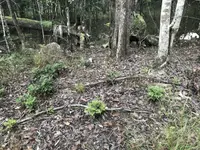
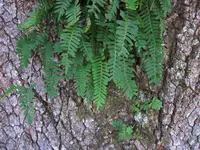
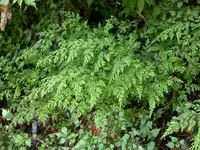
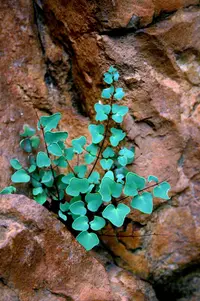
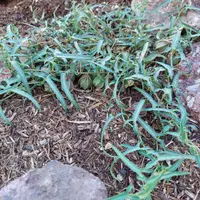
Small-leaf climbing fern, Lygodium microphyllum, is a twining fern with very slender, vine-like fronds that can climb over surrounding plants and structures. Its tiny leaflets create a fine, lacy texture that looks delicate but grows vigorously in suitable conditions.

This species is native to tropical and subtropical regions, especially wetlands in parts of Asia, Australia, and the Americas, and can be invasive outdoors in warm climates. It prefers consistently moist conditions, high humidity, and filtered light, which makes indoor culture challenging except in controlled spaces. Understanding how to care for small-leaf climbing fern starts with recognizing its fast growth, need for support, and sensitivity to drying out.

Main Plant Requirements

Care Difficulty

Hard Care

Light Preference

Partial Shade

Water Requirements

Keep Soil Moist

Temperature Preference

Tropical / Frost Sensitive

Hardiness Zone

9–11

Soil Texture

Loamy, Silty, Organic-rich

Soil pH

Acidic (5.5–6.5), Slightly acidic (6.5–7.0)

Soil Drainage

Waterlogged tolerant

Fertilization

Minimal (feed rarely)

Get Personalized Care Plan

Scan your plant to receive care tips personalized for your specific plant

Available on iOS and Android

How to Care for the small-leaf climbing fern

This fern grows best with bright, filtered light that mimics dappled forest conditions.

  • Provide 3–5 hours of gentle morning sun with bright shade or filtered light for the rest of the day to support steady frond growth.
  • Allow partial shade, especially in hot climates, but avoid sites with less than 2 hours of indirect light, which leads to weak, pale fronds.
  • Protect small-leaf climbing fern from strong midday and afternoon sun, which can scorch leaf tips; increase shade cover in summer when light intensity rises.

This species prefers consistently moist conditions but reacts poorly to stagnant, waterlogged soil.

  • Keep soil evenly moist, allowing only the top 1–2 cm to begin drying before watering again, especially during active warm-season growth.
  • Reduce watering slightly in cooler months, watching fronds; crisping or curling tips suggest underwatering, while yellowing, limp fronds suggest overwatering.
  • Use soil with good structure and drainage so water infiltrates quickly without pooling, and avoid compacted areas where water stands after rain.

Stable warm temperatures support vigorous growth and reduce stress for this fern.

  • Aim for 70–86°F (21–30°C) as the main growing range, where rhizomes and fronds maintain active growth.
  • Avoid letting temperatures drop below 50°F (10°C); prolonged exposure near this level slows growth, and light frost can damage or kill exposed fronds.
  • In hot periods above 90°F (32°C), growth may stall; provide extra shade and soil moisture to prevent heat stress and leaf scorch for Lygodium microphyllum.

This fern needs consistently high humidity to thrive and avoid frond damage.

  • Aim for 60–80% humidity; growth slows and fronds crisp at lower levels.
  • In dry air, leaflet edges brown, fronds curl, and new growth emerges stunted.
  • Increase humidity with grouped plants, pebble trays under pots, or a humidifier placed nearby.

Lygodium microphyllum prefers moist, light, organic-rich soil that never becomes waterlogged.

  • Use a loose mix such as 2 parts peat or coco coir, 1 part compost, and 1 part perlite or fine bark for structure and aeration.
  • Keep drainage moderate; soil should retain moisture yet release excess water quickly through the pot or bed.
  • Aim for slightly acidic to neutral pH around 6.0–7.0, avoiding strongly alkaline conditions that limit nutrient uptake.
  • Avoid heavy clay, compacted ground, or mixes with high sand alone, which either suffocate roots or dry out too fast.

This species can be grown in containers, but the fast, climbing habit demands careful control.

  • Choose a wide, weighty pot to counterbalance climbing fronds and prevent tipping as the vine extends upward or outward.
  • Provide a tall trellis or frame anchored firmly in the pot so the twining fronds can climb without pulling the container over.
  • Select a moisture-retentive but not porous pot material if outdoor conditions are hot and windy, to reduce rapid drying of the root zone.

Nutrient input for Lygodium microphyllum should be light and focused on supporting steady foliage growth.

  • Use a balanced, water-soluble fertilizer (such as 10-10-10) at 1/4–1/2 strength for container-grown plants.
  • Feed every 4–6 weeks during the active growing season if growth appears pale or weak.
  • Apply a thin layer of fine compost as a mild, slow-release nutrient source.
  • Stop fertilizing in late fall and withhold feeding through winter dormancy.

Pruning Lygodium microphyllum helps manage its vigorous climbing habit and maintain healthier foliage.

  • Carry out main pruning in late winter or early spring before strong new growth starts.
  • Remove dead, damaged, or diseased fronds at the base using clean, sharp scissors or hand pruners.
  • Thin out crowded or tangled vines to improve air flow and reduce shading of young fronds.
  • Shortening overly long stems limits spread and encourages a denser, more compact appearance.

Transplanting is mostly relevant where this fern is kept in controlled or container settings rather than in the ground.

  • Check for roots circling the pot, slow growth, or frequent wilting, which signal a need for a larger container.
  • Plan transplanting for spring, allowing a full warm season for new root growth and recovery.
  • Repot or transplant every 2–3 years, stepping up only 1 pot size to prevent soggy soil.
  • Gently loosen circling roots, keep the crown at the same depth, water thoroughly, and shade for several days to reduce stress.

Propagation of Lygodium microphyllum is technically possible but is specialized and not recommended for casual growers.

  • Spore propagation is the standard method, requiring very clean conditions and consistently moist, sterile medium.
  • Sow spores in warm conditions around 70–77°F with bright, indirect light and no direct sun.
  • Cover the container to maintain high humidity and avoid disturbing the fine surface layer.
  • Allow the gametophyte stage to develop and then keep the medium evenly moist so young sporophytes can establish.

In mild to warm climates this fern needs minimal winter care, but container plants in cooler regions benefit from protection.

  • Lygodium microphyllum is frost sensitive and can suffer damage below about 32°F.
  • Move containers indoors or to a frost-free greenhouse before the first hard freeze.
  • Maintain cool to mild indoor temperatures and keep soil just lightly moist, not saturated.
  • In outdoor plantings in marginal climates, apply a light mulch around the root zone to buffer temperature swings.

Care Tips

Contain Spreading Rhizomes

Grow this fern in large, smooth-sided containers or lined beds and inspect the edges every 2–4 weeks, trimming any rhizomes or fronds that start to escape to prevent uncontrolled spreading.

Provide Vertical Framework

Install tall, narrow trellises or taut nylon lines from pot to ceiling so the wiry fronds can climb cleanly upward instead of tangling around nearby plants or structures.

Regular Frond Thinning

Every 4–6 weeks, selectively remove the oldest, most tangled fronds at the base to improve air movement through the plant and reduce the risk of fungal spotting on the fine leaflets.

Dedicated Quarantine Area

Keep this species in a clearly separated area and disinfect tools after pruning so no spores or stem fragments are accidentally transferred to outdoor spaces or natural areas.

Controlled Propagation Only

If propagating, label pots clearly, keep all material in closed indoor or greenhouse conditions, and double-bag any discarded fronds or soil before disposal to keep growing small-leaf climbing fern from becoming invasive in the landscape.

Common Pests and Diseases

Leaf spots

Symptoms include small brown to dark lesions on fronds that may merge, causing sections of the leaflets to die back. This disease is often linked to prolonged leaf wetness and high humidity in dense growth.

Solution

Remove and destroy heavily spotted fronds to reduce inoculum, then thin and untangle dense vines so air can move through the foliage. Avoid overhead watering that keeps fronds wet, and if needed apply a fern‑safe fungicide labeled for leaf spot, following local regulations for Lygodium microphyllum plant care in natural areas.

Rust

This disease produces yellow to orange-brown pustules on the undersides of fronds, which can lead to premature leaf drop. Symptoms often spread in warm, moist conditions where foliage stays damp for long periods.

Solution

Cut and dispose of infected fronds, cleaning tools afterward to avoid spread. Improve air circulation, reduce leaf wetness, and in cultivated situations use a registered fungicide for rust on ferns, following label directions and any restrictions in your region.

Scale insects

These insects appear as small, flattened bumps on stems and leaf stalks, sucking sap and causing yellowing or weakened fronds. Heavy infestations can lead to stunted growth and increased susceptibility to stress.

Solution

Physically remove scales by gently rubbing affected areas with a soft cloth or brush dipped in soapy water, then rinse with clean water. For persistent cases on cultivated plants, use a horticultural oil or insecticidal soap labeled for ferns, ensuring good coverage of stems and the undersides of fronds.

Mites

This pest is often too small to see clearly but causes stippling, fine webbing, and dull, bronzed fronds, especially in hot, dry conditions. Damage can make the plant more vulnerable to other stresses.

Solution

Rinse fronds thoroughly with a strong but controlled stream of water to knock mites off the foliage, repeating weekly until symptoms decline. Increase ambient humidity and, if needed, apply a miticide or insecticidal soap approved for use on ferns, targeting the undersides of fronds where mites cluster.

Interesting Facts

Climbing by frond growth

This fern climbs not with specialized tendrils or roots but by continuously growing twining fronds that can extend many meters, wrapping around nearby vegetation for support.

Ever-growing vine-like fronds

Unlike many ferns with compact fronds, its fronds are indeterminate, meaning they keep lengthening from the tip under suitable conditions, allowing rapid spread through tree canopies.

Heavy spore production

It produces large numbers of lightweight spores that disperse efficiently on wind currents, contributing to its strong invasive behavior in warm, humid regions such as southern Florida.

Botan icon

Did you know?

In parts of Florida, this species can form dense vertical carpets over trees, shrubs, and even wetlands, creating so-called living fire ladders that allow ground fires to climb into the forest canopy and burn with unusually high intensity.

FAQs about small-leaf climbing fern

In warm, humid climates this species spreads very aggressively by creeping rhizomes and large numbers of wind-dispersed spores. Outdoors in frost-free regions it can smother shrubs and trees, so it is often listed as a serious invasive weed.

Grow Healthy Plants with Botan Care

Keep your plants happy and healthy with plant identification, disease detection, and easy care guidance.

Botan plant care app — identify plants on mobile

Explore More Plants