lantern stinkhorn Care (Lysurus mokusin)

lantern stinkhorn

About lantern stinkhorn

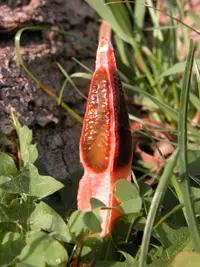
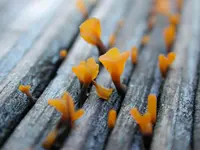
Lantern stinkhorn, Lysurus mokusin, is a saprobic fungus that feeds on decaying organic matter rather than living as a traditional green plant. It produces bright orange to red lattice-like arms that rise from a white egg-like base and often appear suddenly after rain.

This species is native to East Asia but has spread to other warm, humid regions, often appearing in wood chip beds, lawns, and garden mulch. Its foul odor attracts flies that help spread its spores.

Lantern stinkhorn generally thrives in moist, rich, and well-aerated substrates, making it more likely in irrigated beds than in dry soils. Gardeners usually do not need to actively care for lantern stinkhorn, since it appears and disappears on its own.

Main Plant Requirements

Care Difficulty

Moderate Care

Light Preference

Partial Shade

Water Requirements

Keep Soil Moist

Temperature Preference

Warm Climate

Hardiness Zone

8–11

Soil Texture

Loamy, Silty, Organic-rich

Soil pH

Acidic (5.5–6.5), Slightly acidic (6.5–7.0)

Soil Drainage

Moist but well-drained

Fertilization

Minimal (feed rarely)

Get Personalized Care Plan

Scan your plant to receive care tips personalized for your specific plant

Available on iOS and Android

How to Care for the lantern stinkhorn

This fungus develops best in bright, indirectly lit outdoor locations that mimic a lightly shaded forest floor.

  • Provide 2–4 hours of gentle morning sun with dappled or filtered light for the rest of the day to prevent drying of the substrate.
  • Tolerates partial shade and high, open shade; dense, deep shade can reduce fruiting frequency and delay emergence.
  • Avoid intense afternoon sun that overheats mulch or soil, as lantern stinkhorn structures collapse faster and substrate moisture is lost quickly.

Moist, aerated soil is essential for reliable fruiting of this stinkhorn fungus.

  • Keep the top 2–5 cm of soil or mulch evenly moist, using light, frequent watering only when the surface begins to dry, not on a fixed schedule.
  • Choose well-drained, organically rich ground; water should soak through and not pool for more than 10–15 minutes to protect Lysurus mokusin from rot.
  • Watch for signs of overwatering such as foul anaerobic smell and slimy substrate, and for underwatering such as brittle, dry mulch and absent fruiting bodies.

This species fruits best in warm, humid conditions typical of late spring to early autumn.

  • Optimal soil and air temperatures for growth are around 68–86°F (20–30°C), which support rapid development from egg stage to full fruiting bodies.
  • Tolerates cooler periods down to about 41–45°F (5–7°C) in the dormant mycelium phase, but visible fruiting is unlikely below 59°F (15°C).
  • Sensitive to frost; repeated exposure below 32°F (0°C) can damage mycelium, while extreme heat above 95°F (35°C) with low humidity dries the substrate and suppresses fruiting.

Humidity is not a major factor for outdoor growth of this saprophytic fungus.

Lysurus mokusin thrives in loose, organic-rich, consistently moist substrates.

  • Use a crumbly mix of leaf litter, compost, and wood chips to mimic decomposing forest debris.
  • Ensure the substrate drains freely yet retains moisture, avoiding compacted or waterlogged conditions.
  • Keep pH roughly neutral to slightly acidic (pH 6.0–7.0), which suits most decomposer fungi.
  • In outdoor beds, periodically top-dress with fresh organic matter to maintain aeration and a steady food source.

This species can be grown in containers when the substrate and moisture are carefully controlled.

  • Choose a deep, ventilated tub or wide nursery pot that allows a thick layer of organic substrate to decompose undisturbed.
  • Drill extra side holes near the base if necessary so excess water escapes quickly while air still reaches the decomposing mix.
  • Place the container directly on soil or mulch outdoors so soil organisms and insects can colonize and help break down the organic material.

This saprophytic fungus usually obtains enough nutrients from its substrate, so lantern stinkhorn needs no routine fertilization.

Pruning needs for Lysurus mokusin are minimal and mainly hygienic.

  • Remove spent fruiting bodies as soon as they collapse to limit odor and spore spread, using disposable gloves.
  • Cut or pinch off decayed tissue at the base, taking care not to disturb the underlying mycelium in the soil or mulch.
  • Discard removed material in sealed bags with household trash rather than composting, to avoid unwanted spread on-site.

This fungus is rarely grown in containers; management focuses on relocating or adjusting the substrate if needed.

  • Consider transplanting only when growth appears in an unsuitable spot, such as near entries, due to odor or aesthetics.
  • Move colonized mulch or soil in late fall or early spring, when fruiting bodies are absent and mycelium is less stressed.
  • Lift and transfer clumps of substrate gently, keeping them intact to preserve the fine mycelial network.
  • Water the new site lightly after relocation and avoid disturbing the area so the fungus can reestablish underground.

Propagation of Lysurus mokusin is not usually managed intentionally, as it spreads naturally by spores in suitable organic mulch or soil.

No special winter care is required, as the underground mycelium is fairly cold tolerant and fruiting bodies are seasonal.

Care Tips

Substrate rotation

Rotate or replace small sections of the woody or bark-based substrate every few weeks to keep a steady supply of fresh, decomposing material that supports repeated fruiting cycles.

Targeted spore placement

Collect mature, slimy spore mass on a disposable tool, then lightly smear it onto fresh mulch or decaying wood in another shaded spot to gradually expand the colony where conditions are suitable.

Moisture zoning

Create a slightly depressed, mulched pocket within the bed so moisture lingers longer around the buried spawn without waterlogging the whole area, which encourages more consistent fruiting bodies.

Controlled disturbance

Gently loosen the top 1–2 cm of mulch around colonized areas once or twice a season to increase aeration and expose new surfaces of organic matter to fungal activity without disrupting the main mycelium.

Odor-aware placement

Site beds downwind and a short distance from doors, patios, or frequently opened windows so the strong odor at peak maturity is less noticeable while still allowing observation and caring for lantern stinkhorn effectively.

Common Pests and Diseases

Fungus gnat larvae

This pest is attracted to the rich, constantly moist organic substrate where the fungus develops, and the larvae can tunnel through the mycelium and egg masses. Symptoms include slowed fruiting, damage to immature fruit bodies, and clouds of tiny black flies when the soil is disturbed.

Solution

Reduce excess surface moisture by improving drainage and avoiding waterlogged conditions, then use yellow sticky traps to capture adult gnats and disrupt their life cycle. A soil drench with Bacillus thuringiensis var. israelensis (BTI), following label directions, targets larvae while remaining safe for the fungus and other non-target organisms.

Mite infestation

These insects are microscopic arthropods that can colonize decaying organic matter and the surface of developing fruit bodies, especially in warm, humid environments. Symptoms include pitted or rough patches on the fruiting arms and rapid breakdown of tissue.

Solution

Remove and discard heavily infested fruit bodies, then reduce overcrowding of organic debris to lower humidity around the growth site. If needed, apply a targeted horticultural oil or insecticidal soap to the surrounding substrate, not directly on emerging fruit bodies, and improve airflow to discourage re‑infestation as part of Lysurus mokusin care.

Bacterial soft rot

This disease affects mature and aging fruit bodies, causing them to become water-soaked, slimy, and to collapse more quickly than usual. Symptoms include foul odor that is more putrid than the typical stinkhorn smell, along with discolored, mushy tissue at the base.

Solution

Promptly remove and dispose of affected fruit bodies and any surrounding slimy residue to reduce bacterial spread. Avoid overwatering and overly compacted organic piles, turn or loosen mulch or compost to increase aeration, and reduce standing water around the growth area.

Competing saprophytic fungi

These fungi colonize the same wood chips, mulch, or compost, often outcompeting the stinkhorn mycelium and limiting fruiting. Symptoms include appearance of other mushroom species or dense white, gray, or green fungal mats where lantern stinkhorn previously fruited well.

Solution

Refresh or partially replace the organic substrate with clean wood chips or leaf litter, keeping a moderate, not excessive, moisture level. Remove large clusters of competing mushrooms and avoid adding contaminated yard waste so the resident Lysurus mokusin colony retains enough resources to fruit.

Interesting Facts

Lantern-like fruiting body

Mature fruiting bodies form a hollow, cage-like structure with several upright red to orange arms that resemble a lantern, which is why it is commonly called lantern stinkhorn.

Insect pollination strategy

The tips of the arms produce a foul-smelling, slimy spore mass called gleba that attracts flies and other insects, which then transport the spores to new locations.

Woodchip and mulch specialist

This fungus commonly appears in urban gardens, landscaped beds, and pathways where fresh woodchips, sawdust, or mulch provide ideal substrate for its saprotrophic growth, meaning it feeds on dead organic matter.

Botan icon

Did you know?

Lysurus mokusin is native to East Asia but has spread with the global movement of wood products and mulch, and is now naturalized in many temperate and subtropical regions, including parts of North America and Europe.

FAQs about lantern stinkhorn

This fungus spreads by spores carried by insects attracted to its odor. It can appear suddenly in mulched or organic-rich soils but does not aggressively outcompete garden plants or damage roots. Removal is usually optional and cosmetic.

Grow Healthy Plants with Botan Care

Keep your plants happy and healthy with plant identification, disease detection, and easy care guidance.

Botan plant care app — identify plants on mobile

Explore More Plants