
Saucer magnolia Identification (Magnolia × soulangeana)

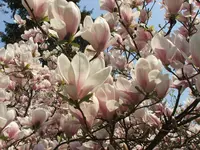
Recognize Saucer magnolia by its multi-stemmed small tree form, broad obovate leaves arranged alternately, and very large upright cup-to-saucer flowers with 9 tepals, often 4 to 10 inches (10 to 25 cm) across.

Mature plants usually form a rounded crown on short trunks, often reaching about 20 to 30 feet (6 to 9 m) tall.

Magnolia × soulangeana Identification

Scan to Confirm Saucer magnolia

Upload a clear photo to check your plant identification with Botan.

Clear images work best. Avoid photos taken too close or too far away

Check the overall form, leaves, and large cup-shaped flowers.

  • Usually a multi-stemmed small tree or large shrub with a broad, rounded crown.
  • Leaves are simple, alternate, and oval to obovate, often 4-8 inches (10-20 cm) long, with smooth edges.
  • Flowers are very large, about 5-10 inches (13-25 cm) across, with 6-9 petal-like tepals in a cup or saucer shape.
  • Outer flower surfaces are commonly pink to purple, while the inner surfaces are paler to white.

If flowers are absent, the broad crown and large smooth-edged leaves are the most useful visual clues.

Saucer magnolia shows clear visual shifts from early growth to flowering and fruiting stages.

  • Young plant: Young plants are upright and sparsely branched, often shrub-like, with smooth gray twigs and relatively smaller obovate leaves than established specimens.
  • Mature plant: Mature plants broaden into a rounded, low-branched small tree or large shrub, typically 20-30 feet (6-9 m) tall, with a thicker trunk and denser framework.
  • Flowering stage: Flowers open on bare branches before leaves, appearing cup-shaped to spreading, with large pink-and-white tepals, the petal-like floral parts.
  • Fruiting stage: After flowering, cone-like aggregate fruits form, turning bumpy and splitting to reveal bright red seeds hanging briefly on slender threads.

Saucer magnolia has several named selections that can be separated by flower color, flower shape, and overall habit.

  • 'Alexandrina': Flowers are large, goblet-shaped, and pale pink to pink-purple outside with a white interior, often opening a bit later than the typical form.
  • 'Lennei': Blooms are deeper purple-pink outside and more tulip-shaped, with a fuller, heavier look than the usual saucer-like flowers.
  • 'Rustica Rubra': This cultivar is noted for richer rosy pink to reddish-purple outer tepals and a stronger two-tone effect with the white inside.
  • 'Picture': Flowers are very large, often around 8-10 inches (20-25 cm) across, with broad white inner tepals flushed pink-purple outside.

In early spring, Magnolia × soulangeana is easiest to spot when its large tulip-shaped flowers open on bare branches before the leaves emerge. By fall, the broad leaves turn yellow to brown and drop, exposing the plant’s smooth gray bark, stout buds, and branching outline through winter.

Several spring-flowering magnolias can be mistaken for Saucer magnolia.

Yulan magnolia(Magnolia denudata)

Similar large early blooms, but flowers are usually pure white and more upright, goblet-shaped. Magnolia × soulangeana commonly shows pink or purple outside and a broader cup-and-saucer form.

Star magnolia(Magnolia stellata)

Also flowers before leaves, yet blooms are smaller and strap-petaled, giving a starry look. It is usually a smaller shrub or small tree than Magnolia × soulangeana.

Loebner magnolia(Magnolia × loebneri)

Another early hybrid with pale flowers, but petals are narrower and more numerous, often star-like. Saucer magnolia has fewer, broader tepals and heavier, cup-shaped blooms.

Does Your Plant Match?

Use Botan to compare a photo and help confirm the plant, which can save time before you buy, label, or prune it.

FAQ

The standout trait is its large, goblet-shaped spring flowers, usually white to pink-purple outside, appearing before or with the leaves on bare branches. This is often the fastest clue for Saucer magnolia identification.

More Plant Identification Guides

Find Out What Plant It Is

Identify a plant from a photo with Botan, then get species-specific care information and common problems.

Botan app identifying a plant from a photo
How Long Can Flowers Go Without Water? Everything You Need to Know

6 min read · 10 Jul 2026

How Long Can Flowers Go Without Water? Everything You Need to Know

Flowers can survive without water anywhere from 1-2 hours to several months, depending on the plant type, species, and growing conditions. Some strong-looking flowers are drought-sensitive, while delicate-looking plants may tolerate long dry periods surprisingly well.

Plant Care
How Long Can Flowers Go Without Water? Everything You Need to Know
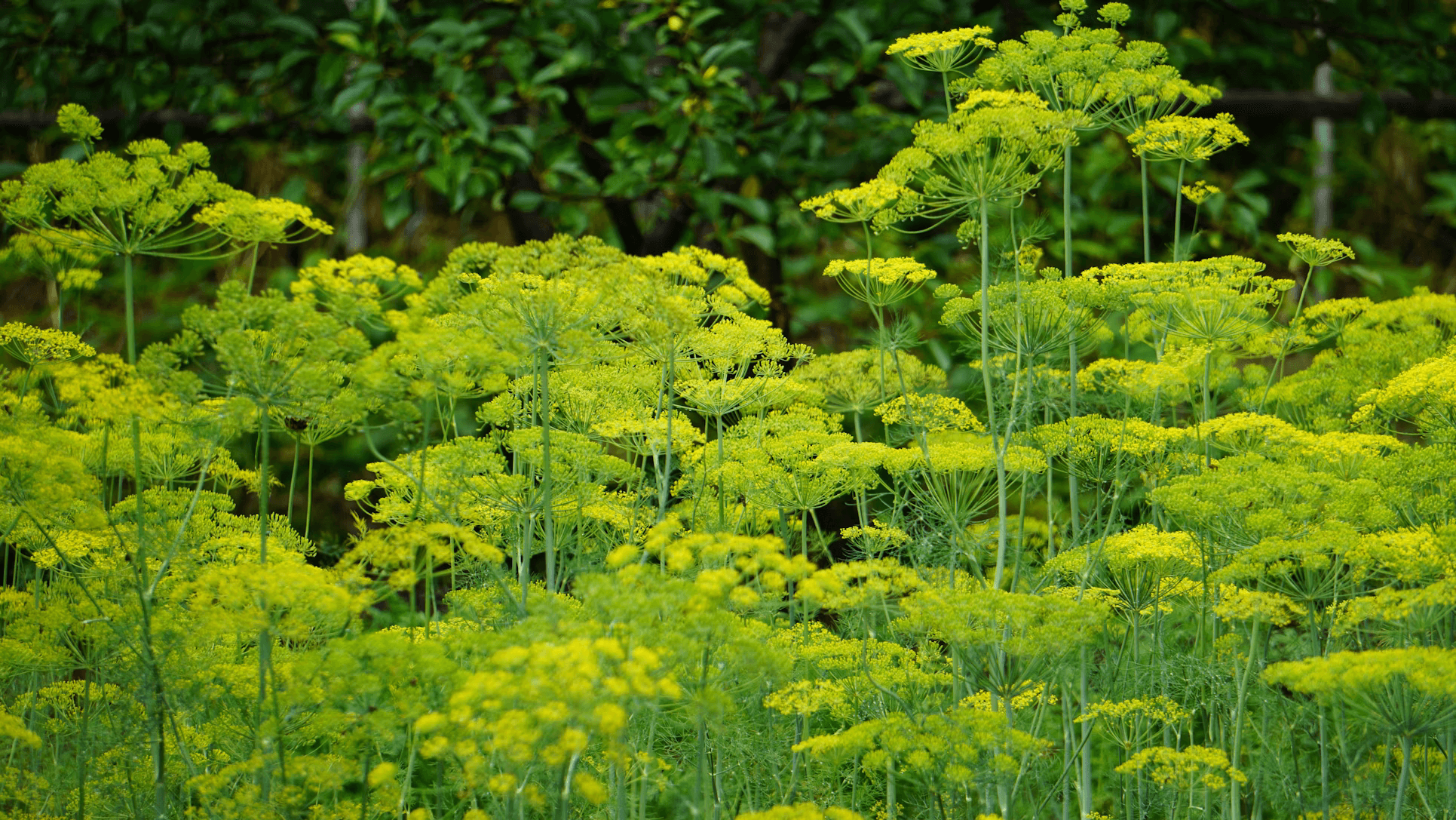
Dill Companion Plants – What to Grow Next to Dill

9 min read · 17 Jul 2026

Dill Companion Plants – What to Grow Next to Dill

Dill is an easy-to-grow plant that gets along well with many vegetables. This guide describes 15 plants that can be planted alongside it, a few to avoid, and mistakes that can quietly sabotage the entire process.

Plant Recommendations
Dill Companion Plants – What to Grow Next to Dill
How Fast Does Bamboo Grow Per Day, Month, and Year

10 min read · 7 Jul 2026

How Fast Does Bamboo Grow Per Day, Month, and Year

Bamboo grows extremely fast: some species can reach 5-6 m in just 3-4 months under the right conditions. This guide explains how much bamboo can grow per day, week, and year, and what affects its growth rate.

Plant Recommendations
How Fast Does Bamboo Grow Per Day, Month, and Year