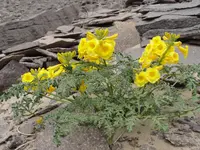
Virginia stock Care (Malcolmia maritima)

Virginia stock

About Virginia stock

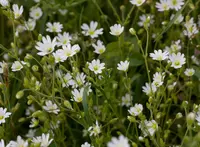
Virginia stock (Malcolmia maritima) is a small, fast-growing annual often used for edging, rock gardens, and containers. It forms low, bushy mounds covered with many small four-petaled flowers. Blooms come in soft shades of pink, purple, and white, typically with a light, sweet fragrance. Plants have slender stems and narrow green leaves, giving a fine-textured look. Malcolmia maritima is native to Mediterranean coastal areas, so it prefers sun, good airflow, and well-drained soil. It is generally easy to grow in cool, mild conditions and often self-seeds when happy, which simplifies how to care for Virginia stock in suitable climates.

Main Plant Requirements

Care Difficulty

Easy Care

Light Preference

Full Sun

Water Requirements

Moderate Water

Temperature Preference

Cool Climate

Hardiness Zone

6–9

Soil Texture

Sandy, Loamy

Soil pH

Slightly acidic (6.5–7.0), Neutral (7.0)

Soil Drainage

Well-drained

Fertilization

Minimal (feed rarely)

Get Personalized Care Plan

Scan your plant to receive care tips personalized for your specific plant

Available on iOS and Android

How to Care for the Virginia stock

Malcolmia maritima thrives in bright, open conditions that support compact growth and abundant flowering.

  • Provide 6–8 hours of direct sun daily, ideally with morning sun and light afternoon shade in hotter regions to prevent flower scorch.
  • Plant in a site that receives full sun in spring; light partial shade (3–4 hours direct sun) is acceptable in areas with very intense summer sun.
  • Watch foliage and stems: weak, stretched growth and few blooms signal too little light, while crisped leaves or faded petals indicate excessive afternoon sun.

This coastal annual prefers moist but well-drained soil and does not tolerate prolonged saturation.

  • Water when the top 2–3 cm of soil feel dry, applying a deep soak rather than frequent splashes, especially during warm, windy periods.
  • Use soil with good drainage; puddling for more than 1–2 hours or a sour smell suggests poor drainage and a higher risk of root rot in Malcolmia maritima.
  • In cool spring weather watering needs are modest; in hot, dry spells, wilting at midday that does not recover by evening indicates the plant needs more water.

This species favors cool, mild conditions and performs best in climates with gentle springs and early summers.

  • Aim for active growth in 55–70°F (13–21°C); flowering is strongest when daytime temperatures stay below about 75°F (24°C).
  • Seeds and young plants tolerate light chills but are damaged by hard frost; avoid exposure below 28°F (-2°C) without protection.
  • In heat above 80–85°F (27–29°C), blooming declines and plants may fade early, so use afternoon shade and consistent soil moisture in hot climates.

Humidity is rarely critical for Malcolmia maritima, which adapts well to typical outdoor air.

  • Aim for 30–50% humidity, matching most dry, coastal, or garden conditions.
  • This species tolerates dry air well, so focus more on light and drainage than on humidity adjustments.
  • If leaves wilt despite moist soil, increase airflow rather than humidity, as excess moisture around foliage can encourage fungal issues.

Soil for Malcolmia maritima should be light, fast-draining, and never waterlogged.

  • Use a sandy or sandy-loam mix, such as 50–60% potting soil with 40–50% coarse sand or perlite, to keep roots aerated.
  • Aim for slightly alkaline to neutral pH around 7.0–7.5, often found in coastal or limestone-influenced soils.
  • Incorporate a small amount of compost for nutrients but keep organic matter moderate to avoid soggy conditions.
  • Avoid heavy clay, compacted, or peat-heavy substrates that stay wet for more than 1–2 days after watering.

This plant is well suited to container growing for seasonal displays on balconies, patios, or steps.

  • Choose a shallow to medium-depth pot, as its relatively modest roots do not need deep containers but benefit from broader surface area for spreading growth.
  • Select terracotta or other porous materials if overwatering is a risk, since they allow faster evaporation and prevent prolonged saturation of the root zone.
  • Raise containers slightly on feet or bricks so drainage holes clear quickly, preventing salts from accumulating at the bottom and stressing the roots.

Malcolmia maritima is a light‑feeding annual that benefits from modest nutrition in poor soils.

  • Use a balanced liquid fertilizer (around 10‑10‑10) at 1/2 strength for caring for Virginia stock grown in containers or lean beds.
  • Feed every 2–3 weeks during active growth and flowering in spring–early summer.
  • Skip fertilizer in rich garden soil and reduce feeding sharply once flowering declines.
  • Avoid high‑nitrogen products that promote lush foliage over blooms.

Malcolmia maritima needs only light pruning to keep plants neat and flowering well.

  • In late spring and early summer, shear back spent flower stems by 1/3–1/2 to encourage fresh blooms.
  • Snip off dead, diseased, or storm‑damaged growth as soon as noticed using clean scissors or small snips.
  • Thin out crowded, leggy stems to improve airflow and maintain a compact mound.
  • Remove entire exhausted plants at the end of flowering to prevent self‑sown overcrowding.

This shallow‑rooted annual is usually direct‑sown, but it tolerates careful transplanting when young.

  • Transplant seedlings outdoors in early spring when frosts have mostly passed and roots lightly fill starter cells.
  • Avoid disturbing roots; move plugs with as much surrounding soil as possible to limit transplant shock.
  • Space plants 10–15 cm apart in well‑drained soil so roots can spread without later moving.
  • Container plants rarely need repotting; replace with fresh seedlings instead of shifting to larger pots.

Malcolmia maritima is most commonly propagated from seed rather than cuttings or division.

  • Sow seeds in late winter–early spring under cover, or direct‑sow in early spring where plants will flower.
  • Press seeds lightly into the surface of well‑drained mix; they need light to germinate.
  • Maintain 60–70°F, even moisture, and good airflow for 7–14 days until seedlings emerge.
  • Thin or prick out seedlings gently once they have 2–3 true leaves, handling by the leaves, not stems.

This cool‑season annual does not need complex winter care and usually completes its life cycle in one season.

  • In mild climates, late‑season self‑sown seedlings may overwinter outdoors with only light leaf mulch.
  • In colder areas, treat plants as annuals and rely on seed to carry the display into the next year.
  • Container plants in freezing climates can be discarded after seeding and replaced from new sowings.

Care Tips

Succession Sowing

Sow small batches every 2–3 weeks over spring to keep flowers coming, rather than planting all seeds at once and having the whole display fade together.


Pinch for Bushiness

Lightly pinch back the tips of young plants once they have 3–4 true leaves to encourage branching and a fuller, more floriferous mound.

Wind Hardening

If starting plants under cover, expose seedlings to gentle outdoor breezes for 7–10 days before planting out to build sturdier stems that resist lodging in wind.

Deadhead With Shears

Use small scissors or snips to remove spent flower clusters every few days, which is faster and less damaging than hand-picking individual blooms and helps extend the flowering period when growing Virginia stock.

Dense Edging Plantings

Plant in tight rows or drifts at the front of borders so the plants support each other, reducing the need for staking and creating a uniform flowering edge.

Common Pests and Diseases

Downy mildew

This disease causes pale yellow patches on upper leaf surfaces with a corresponding gray to white fuzzy growth on the undersides, often in cool, moist conditions. Symptoms include stunted growth and premature leaf drop, which can quickly spoil ornamental display in beds and containers.

Solution

Remove and discard affected leaves promptly and avoid overhead watering to keep foliage as dry as possible. Improve spacing and airflow, water at the soil level in the morning, and if conditions stay cool and damp, use a copper-based or phosphorus acid fungicide labeled for downy mildew on ornamentals according to directions.

Alternaria leaf spot

This disease produces small dark spots on leaves that enlarge into round or irregular lesions with concentric rings, giving a target-like appearance. Symptoms include yellowing around the spots and gradual defoliation, especially in dense plantings of Virginia stock.

Solution

Collect and dispose of heavily spotted leaves and any fallen plant debris to reduce spores. Improve air circulation, avoid wetting the foliage, rotate planting areas each year, and if needed apply a labeled ornamental leaf-spot fungicide during extended warm, humid periods.

Cabbage aphids

These insects cluster on tender shoots, buds, and the undersides of leaves, appearing as gray-green, dusty-looking colonies. This pest sucks sap, causing curling leaves, distorted flower stalks, and sticky honeydew that can attract sooty mold on Malcolmia maritima plants.

Solution

Dislodge colonies by spraying plants with a strong stream of water, repeating every few days as needed. For persistent infestations, treat with insecticidal soap or a light horticultural oil, making sure to coat the undersides of leaves, and encourage natural predators such as lady beetles by avoiding broad-spectrum insecticides nearby.

Flea beetles

These insects create numerous tiny shot holes in leaves, giving foliage a lacy, shredded appearance, especially on young seedlings. This pest jumps quickly when disturbed and can slow growth or kill very small plants if populations are high.

Solution

Protect young plants with floating row covers until they are well established, and keep the area weed-free to remove alternate hosts. For ongoing problems, use yellow sticky traps to monitor activity and, if needed, apply a neem-based or spinosad product to foliage in the evening, following label instructions for small ornamentals.

Damping-off

This disease affects seeds and very young seedlings, causing failure to germinate or sudden collapse at the soil line, often with a water-soaked, constricted stem. Symptoms include thin, weak seedlings that topple over and die in overly wet seed trays or dense outdoor sowings.

Solution

Use clean containers and fresh, sterile seed-starting mix, and avoid sowing seeds too thickly when growing Virginia stock. Water lightly from below or with a fine mist so the surface is not constantly saturated, provide good air movement, and discard any affected seedlings and soil rather than reusing them.

Interesting Facts

Naturally coastal specialist

This species is native to Mediterranean coastal areas and is commonly found on dunes, cliffs, and sandy seashores, where it tolerates salt-laden winds and poor, fast-draining soils.

Short-lived cool annual

It is a fast-growing, cool-season annual that germinates and flowers quickly in mild weather, then declines as temperatures rise, which makes it useful for early-season color in coastal climates.

Sweetly scented evenings

The small four-petaled flowers release a stronger, sweet fragrance in the evening and at night, an adaptation that helps attract nocturnal pollinators such as moths in its native range.

Botan icon

Did you know?

This plant has been widely used as a quick-blooming filler in traditional Mediterranean cottage-style gardens because its seeds can be surface-sown directly into poor, sandy soil and still flower reliably within a single season.

FAQs about Virginia stock

Poor flowering usually comes from too much shade, excess nitrogen fertilizer, or heat stress. Ensure full sun, lean well-drained soil, and avoid high-nitrogen feeds. Deadhead spent blooms to direct energy into forming new flower buds.

Grow Healthy Plants with Botan Care

Keep your plants happy and healthy with plant identification, disease detection, and easy care guidance.

Botan plant care app — identify plants on mobile

Explore More Plants