musk mallow Care (Malva moschata)

musk mallow

About musk mallow

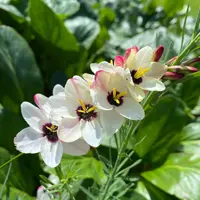
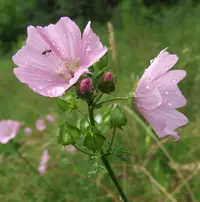
Musk mallow (Malva moschata) is a hardy herbaceous perennial known for its soft, finely divided leaves and saucer-shaped pink or white flowers. It forms loose, upright clumps that fit well into cottage-style borders, wildflower meadows, and naturalistic plantings.

The species is native to parts of Europe and western Asia and has naturalized in many temperate regions, including North America. Flowers attract bees and other pollinators, which makes it useful in wildlife-friendly gardens.

Musk mallow is generally easy to grow, as it tolerates poor soils and light drought once established. This adaptability reduces the effort needed to care for musk mallow in typical garden conditions.

Main Plant Requirements

Care Difficulty

Easy Care

Light Preference

Full Sun

Water Requirements

Moderate Water

Temperature Preference

Cold Hardy

Hardiness Zone

3–8

Soil Texture

Sandy, Loamy, Clay

Soil pH

Slightly acidic (6.5–7.0), Neutral (7.0)

Soil Drainage

Well-drained

Fertilization

Minimal (feed rarely)

Get Personalized Care Plan

Scan your plant to receive care tips personalized for your specific plant

Available on iOS and Android

How to Care for the musk mallow

This perennial thrives in open, bright positions with several hours of direct sun each day.

  • Aim for 6–8 hours of direct sun, with morning sun and light afternoon shade ideal in hotter regions for musk mallow.
  • Plant in a spot that still receives at least 3–4 hours of sun in partial shade; in deeper shade, flowering is sparse and stems become lanky.
  • In summer, protect from intense, reflected afternoon sun in very hot climates, while in cooler climates full sun all day generally gives best flowering.

This species prefers moderately moist but not saturated soil, especially during active growth and flowering.

  • Allow the top 3–5 cm of soil to dry before deep watering, then soak the root zone rather than giving frequent light splashes.
  • During hot, dry periods, expect to water more often if rainfall is low; in cooler or rainy seasons, reduce watering to avoid prolonged sogginess around Malva moschata roots.
  • Watch for drooping, dull foliage and dry soil as signs of underwatering, while yellowing lower leaves and a sour smell in heavy soil suggest overwatering and poor drainage.

This hardy perennial tolerates a wide temperature range but flowers best in mild to warm conditions.

  • Optimal growth and blooming occur around 60–75°F (16–24°C), with steady spring and early-summer warmth encouraging strong stems and abundant flowers.
  • Established plants tolerate winter cold down to about 5°F (−15°C) in well-drained soil, dying back above ground and resprouting in spring where winters are cold.
  • In hot summers above 86°F (30°C), flowering may slow; light afternoon shade and consistent soil moisture help prevent heat stress and leaf scorch.

This species is adapted to outdoor conditions and does not have special humidity requirements.

Malva moschata grows best in moderately fertile, well-drained mineral soil.

  • Aim for a light to medium loam or sandy loam with plenty of pores so water drains within a few hours after irrigation or rain.
  • Maintain slightly acidic to neutral pH around 6.0–7.5, which supports nutrient availability and healthy root development.
  • In garden beds, mix in 20–30% compost to improve structure, moisture retention, and nutrient supply without creating heavy, soggy conditions.
  • Avoid compacted clay, waterlogged spots, or very peat-heavy mixes; raise beds or add coarse sand or grit to increase aeration and drainage where needed.

This species can be grown in containers if given enough root space and sharp drainage.

  • Choose a container at least 25–30 cm deep so the taproot and lateral roots can extend without circling tightly early in the season.
  • Use a heavy, stable pot or add weight at the base to prevent tipping as stems become tall and leafy in windy exposures.
  • Select a gritty mix, such as potting soil with 20–30% coarse sand or grit, so excess water drains rapidly through the drainage holes.

Malva moschata is light-feeding and usually needs only modest nutrition in average garden soil.

  • Apply a thin layer of garden compost or well-rotted manure around plants in early spring to support flowering.
  • Use a balanced slow-release fertilizer (around 10-10-10) at low label rates once at the start of the growing season.
  • In poorer soils, supplement with a half-strength balanced liquid feed every 4–6 weeks during active growth.
  • Stop feeding in late summer and avoid fertilizing in winter dormancy to prevent weak, frost-tender growth.

Pruning Malva moschata keeps plants tidy, encourages flowering, and limits self-seeding.

  • In late winter or early spring, remove dead, damaged, or diseased stems using clean, sharp hand pruners.
  • After the main flowering flush, lightly cut back spent flower stems to encourage a shorter, bushier habit and more blooms.
  • Thin out crowded or crossing stems to improve airflow and reduce fungal disease risk.
  • Deadhead before seeds mature if self-sown seedlings are not desired around the planting area.

This species is more often grown in garden beds than as a long-term container plant, so transplanting is the main focus.

  • Transplant Malva moschata in early spring or early fall when temperatures are mild and soil remains evenly moist.
  • Move container-grown plants when roots circle the pot, growth stalls, or watering frequency increases sharply.
  • Choose a slightly larger container or planting hole, using free-draining soil and handling the root ball gently to limit disturbance.
  • Water thoroughly after transplanting, then keep soil consistently moist (not waterlogged) for 1–2 weeks to reduce transplant shock.

Malva moschata is commonly propagated from seed, with division or softwood cuttings as additional options.

  • Sow fresh seeds outdoors in spring or fall, or indoors 6–8 weeks before the last frost in a free-draining seed mix.
  • Provide bright light and temperatures around 60–70°F; keep the mix lightly moist until germination in 2–4 weeks.
  • Divide established clumps in early spring, replanting divisions promptly at the same depth and watering well.
  • Take softwood cuttings in late spring, use rooting hormone, and place in a humid, bright but indirect light environment.

Malva moschata is generally cold hardy in temperate climates and needs minimal winter attention once established.

  • In regions with freezing winters, apply a 5–8 cm layer of mulch around the root zone after the ground cools.
  • Allow top growth to die back naturally, then cut back old stems in late winter or early spring.
  • For container plants in colder zones, move pots to a sheltered, unheated but frost-free spot to limit root freezing.

Care Tips

Staggered Cutting Back

Shear back one-third of the stems after the first heavy flush of flowers while leaving others untouched, so the plant can rebloom while still providing nectar and pollen for beneficial insects.

Simple Stem Support

In windy or exposed sites, place low, unobtrusive hoops or a loose string around the clump early in the season so stems grow through and are supported before they become top-heavy with flowers.

Self-Seed Management

If you want controlled spread, deadhead spent flowers before seed pods brown, but leave a few pods on selected plants to ripen so you can collect and re-sow seed where you actually want new clumps.

Targeted Pest Monitoring

Inspect flower buds and young shoots weekly in late spring for aphids and sawfly larvae, and rinse them off with a firm spray of water or remove affected shoots early to prevent larger infestations later.

Rot-Avoiding Mulch Use

Apply a light, open mulch such as fine bark or straw around, but not touching, the crown so the root zone stays cool and moist while air can still move around the base to reduce rot risk when growing musk mallow.

Common Pests and Diseases

Rust

This disease causes orange, brown, or yellow pustules on the undersides of leaves, often with pale spots on the upper surfaces. Symptoms include premature leaf yellowing and drop in warm, humid conditions.

Solution

Remove and destroy affected leaves as soon as spots appear and avoid overhead watering to keep foliage dry. Improve spacing and airflow around plants, clean up fallen debris, and, in severe cases, use a labeled sulfur or copper-based fungicide according to Malva moschata care instructions.

Powdery mildew

This disease forms white, powdery patches on leaves, stems, and buds, which can lead to distorted growth and reduced flowering. Symptoms include a dull, grayish cast over foliage in dry conditions with poor air circulation.

Solution

Thin crowded stems and surrounding plants to improve airflow and water at soil level only. Remove heavily infected leaves and, if needed, apply a horticultural oil or potassium bicarbonate spray labeled for ornamentals, following all safety directions.

Hollyhock weevil

This pest bores into flower buds and seed capsules, causing buds to abort and reducing seed set. This insect is especially associated with mallow relatives and can be common where hollyhocks are also grown.

Solution

Hand-pick and destroy adult weevils and infested buds as soon as damage is noticed. Clean up and dispose of spent flower stalks and seed heads at season’s end to reduce overwintering sites, and consider using floating row covers early in the season where infestation is persistent.

Mallow flea beetle

These insects chew small round holes in leaves, giving foliage a shot-hole appearance and sometimes stunting young plants. This pest is often seen on Malva species in sunny, open sites.

Solution

Protect young plants with lightweight row covers until they are established and tolerate some cosmetic damage on mature plants. Encourage natural predators, reduce nearby weeds in the mallow family, and, if damage is severe, use a spinosad or pyrethrin product labeled for flea beetles, applied in the evening to limit impact on beneficial insects.

Mallow leaf spot

This disease produces small tan to brown leaf spots that may coalesce into larger dead patches, often starting on lower leaves. Symptoms include gradual thinning of foliage from the bottom up in warm, moist weather.

Solution

Remove and discard affected lower leaves promptly and avoid wetting foliage when watering. Maintain good plant spacing, rotate planting areas if grown as a short-lived perennial in beds, and consider a copper-based fungicide if cultural steps do not stop spread.

Interesting Facts

Natural musk scent

The flowers and foliage release a light musky fragrance, especially in the evening and in warm, still air, which is the origin of the common name musk mallow and the species name moschata, meaning musky.

Short-lived perennial habit

In many temperate gardens this species behaves as a short-lived perennial, with individual plants often persisting only a few years but maintaining populations through abundant self-seeding around the mother plant.

Pollinator support specialist

Its open, shallow flowers provide easily accessible nectar and pollen for a wide range of wild bees, hoverflies, and other insects, making it a valuable small-scale resource in hedgerows, meadows, and informal garden plantings.

Botan icon

Did you know?

In parts of its native European range, musk mallow is considered an archaeophyte, meaning it has been associated with human agriculture and disturbed ground since ancient times, likely spreading alongside early farming activities and traditional field margins.

FAQs about musk mallow

Poor flowering usually comes from too little direct sun, nutrient-poor or overrich soil, or old, woody stems. Regular deadheading and light pruning after the main flush, along with balanced fertilizer, supports better blooming when growing musk mallow outdoors.

Grow Healthy Plants with Botan Care

Keep your plants happy and healthy with plant identification, disease detection, and easy care guidance.

Botan plant care app — identify plants on mobile

Explore More Plants