Mammillaria gigantea Care

Mammillaria gigantea

About Mammillaria gigantea

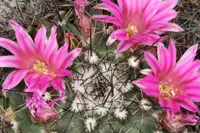
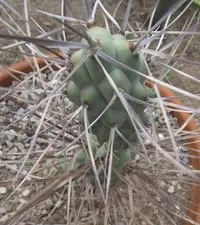
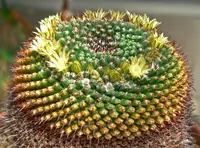
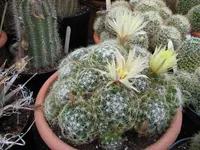
Mammillaria gigantea is a small, clustering cactus species known for its dense covering of short spines and rounded stems that form low, tidy mounds. Mature plants often develop many offsets, creating an attractive cushion-like clump over time.

This species is native to arid regions of Mexico, where it grows in rocky, well-drained soils with strong sun and low rainfall. It is generally considered a manageable cactus for indoor and patio collections, as long as excess moisture is avoided and light is sufficient. Understanding how to care for Mammillaria gigantea mainly involves balancing bright light with careful, infrequent watering and very free-draining soil.

Main Plant Requirements

Care Difficulty

Easy Care

Light Preference

Full Sun

Water Requirements

Low Water

Temperature Preference

Warm Climate

Hardiness Zone

9–11

Soil Texture

Sandy, Loamy, Rocky

Soil pH

Slightly acidic (6.5–7.0), Neutral (7.0)

Soil Drainage

Well-drained

Fertilization

Minimal (feed rarely)

Get Personalized Care Plan

Scan your plant to receive care tips personalized for your specific plant

Available on iOS and Android

How to Care for the Mammillaria gigantea

This cactus prefers strong light and benefits from several hours of direct sun each day.

  • Provide 4–6 hours of direct morning sun, with bright indirect or lightly filtered light for the rest of the day to support compact, healthy growth in Mammillaria gigantea.
  • In very hot climates, protect from harsh midday and late afternoon sun to prevent bleaching, corking, or scorched patches on the stems.
  • Outdoors, position in an open, unobstructed spot; in winter, ensure the plant still gets the brightest site available to reduce weak, elongated growth.

This species is highly drought-tolerant and needs infrequent but thorough watering.

  • Water only when the top 3–5 cm of soil are completely dry, then soak fully and let excess drain away to protect the roots from rot.
  • During active growth in spring and summer, expect roughly every 10–21 days in warm, dry conditions, but always check soil dryness and plant firmness instead of using a fixed schedule.
  • In autumn and winter, reduce watering sharply, giving only very light sips if the stems start to wrinkle or shrink, and avoid wet, cold soil at all times.

This cactus prefers warm, dry conditions and dislikes prolonged cold or damp.

  • Aim for 70–85°F (21–29°C) during the main growing season, with slightly cooler nights to support steady, compact growth.
  • Protect from frost; long exposure below 40°F (4°C) can damage tissue, and extended drops near 32°F (0°C) are likely to kill roots or entire stems.
  • In heat waves above 95°F (35°C), increase airflow and provide light shade during the hottest hours to prevent heat stress, soft tissue, or sunburned areas.

This cactus prefers dry indoor air and rarely needs humidity adjustment.

  • Aim for 20–40% humidity, similar to most heated homes, without added humidifiers.
  • It tolerates very dry air; problems arise more from excess moisture than from low humidity.
  • Watch for soft, pale, or corking stem tissue as a sign of prolonged damp, stagnant air rather than dryness.

This species needs a very fast-draining, mineral-rich cactus substrate to prevent root rot.

  • Use a sandy, gritty mix such as 30% cactus potting mix with 70% mineral material like pumice, coarse perlite, and 3–5 mm gravel.
  • Aim for slightly acidic to neutral pH, around 6.0–7.0, avoiding strongly acidic or alkaline blends.
  • Ensure the mix is loose and crumbly so water drains through in seconds, not minutes, and the pot feels lighter soon after watering.
  • Avoid peat-heavy, compact, or water-retentive mixes, which suffocate roots and are unsuitable for Mammillaria gigantea care.

This cactus is very suitable for container growing due to its compact, shallow-rooted habit.

  • Choose a wide, shallow pot that accommodates clustering stems without leaving large empty, wet areas of mix.
  • Prefer unglazed terracotta, which allows moisture to evaporate faster and keeps the root zone drier between waterings.
  • Use a pot with generous drainage holes and elevate it slightly so runoff clears quickly instead of pooling under the base.

Light feeding supports compact, healthy growth in Mammillaria gigantea without encouraging weak, overly lush tissue.

  • Use a balanced cactus fertilizer (for example 5-5-5 or 10-10-10) diluted to 25–50% strength in well-watered soil.
  • Feed every 4–6 weeks during the warm growing season when light is strong and growth is active.
  • Avoid organic compost in pots, which can hold excess moisture and encourage rot around the roots.
  • Stop feeding in fall and winter dormancy to prevent soft growth and allow the plant to rest.

Pruning needs are minimal, focusing on hygiene and safety rather than shaping Mammillaria gigantea.

  • Carry out any pruning in late spring or early summer when growth conditions are stable and dry.
  • Remove only dead, diseased, or damaged stems with clean, sharp scissors or pruning shears.
  • Trim spent or collapsed offsets if they crowd the clump or trap moisture, improving airflow and appearance.
  • Wear thick gloves and use tongs to handle the plant, avoiding injury and accidental stem damage.

Container-grown plants benefit from occasional repotting to refresh soil and manage clump size.

  • Repot every 3–4 years or when roots circle the pot, growth slows, or the plant becomes top-heavy.
  • Schedule repotting in late spring, allowing warm, bright conditions for roots to re-establish quickly.
  • Use a shallow, slightly larger pot with a fast-draining cactus mix, and handle the root ball gently.
  • Let roots dry and wounds callus for 3–5 days before the first light watering to reduce transplant shock and rot risk.

Propagation of Mammillaria gigantea is commonly done from offsets, with seeds as a slower alternative.

  • Detach offsets in late spring or early summer, using a sterile knife to separate them cleanly from the clump.
  • Allow cut surfaces to callus in a dry, shaded place for 5–10 days before planting.
  • Set offsets on a barely moist, gritty cactus mix with bright, indirect light and warm temperatures around 70–80°F.
  • For seeds, sow on the surface of sterile mix, keep slightly moist, warm, and bright, and expect slow, gradual germination.

Winter care focuses on keeping Mammillaria gigantea cool, dry, and above freezing.

  • Avoid frost; maintain temperatures above 35–40°F, ideally in a bright, cool indoor spot or unheated greenhouse.
  • Provide as much light as possible indoors, such as a south- or west-facing window or grow lights.
  • Stop watering or give only minimal sips, keeping the soil almost completely dry to prevent root rot in cold conditions.

Care Tips

Rotate For Symmetry

Turn the pot 90° every 2–3 weeks so all sides receive similar light, which keeps the stem cylindrical instead of leaning or flattening on one side.

Top-Dress With Grit

Apply a 1–2 cm layer of coarse mineral grit (pumice, crushed granite, or aquarium gravel) on the soil surface to keep the base dry, reduce rot risk, and prevent the stem from sitting in damp organic matter.

Use Clay Pots

Grow it in unglazed terracotta with a drainage hole, as the porous walls evaporate moisture faster and reduce the chance of root and collar rot in compact cactus forms.

Seasonal Rest Period

In late fall and winter, keep the plant cool and almost dry so the tissues harden and flowering is improved the following spring, which is a key aspect of Mammillaria gigantea care instructions.

Inspect Woolly Areoles

Check the dense wool and spines regularly with a hand lens so scale insects or mealybugs are spotted early and can be dabbed off locally with isopropyl alcohol before they spread.

Common Pests and Diseases

Mealybugs

This pest often hides in the woolly areoles and dense spine clusters, sucking sap and weakening stems over time. Symptoms include cottony white masses around the stem base, offsets, and between tubercles.

Solution

Isolate the plant, then remove visible insects with a cotton swab dipped in 70% isopropyl alcohol, taking care to reach into the woolly areas. For larger infestations, repeat alcohol treatments weekly and use a systemic insecticide labeled for cacti, while improving light and airflow and avoiding excess nitrogen fertilizer that softens tissue.

Red spider mites

These insects thrive in hot, very dry conditions around Mammillaria gigantea, causing dull, stippled skin and fine webbing between tubercles. Symptoms include a faded or bronzed epidermis and slowed growth, especially in summer under intense sun and low humidity.

Solution

Rinse the plant gently with a strong but controlled stream of water to dislodge mites, avoiding damage to spines and roots. Follow with repeated applications of a miticidal soap or horticultural oil suitable for cacti, and slightly increase ambient humidity and airflow without wetting the soil for long periods.

Scale insects

This pest appears as small, hard, brown or gray bumps on ribs, tubercles, and near the plant base, feeding on sap. Symptoms include sticky honeydew, sooty mold on the pot or surface, and gradual weakening of the cactus body.

Solution

Manually scrape or lift off scales with a soft brush or toothpick and dab remaining individuals with 70% isopropyl alcohol. For persistent colonies, apply a systemic insecticide according to label directions and keep the cactus in brighter light with lean watering to discourage soft, susceptible growth.

Fusarium stem rot

This disease enters through wounds or previous sunburned areas, causing internal reddish-brown rot and eventual stem collapse. Symptoms include localized soft spots that later turn brown or reddish, sometimes with shriveling above the affected tissue.

Solution

At an early stage, cut away infected tissue with a sterile knife until only firm, healthy tissue remains, then dust cuts with sulfur or a copper-based fungicide and keep the plant completely dry until callused. Long term, avoid mechanical damage, use well-draining mineral soil, water only when the substrate is fully dry, and provide strong light to maintain firm, resilient growth while following general Mammillaria gigantea care instructions.

Corky scab from edema

Symptoms include rough, tan to brown corky patches on the lower stem where water pressure has damaged cells, often triggered by irregular heavy watering after dryness. This condition is common in mature plants grown in containers with low airflow and fluctuating moisture levels.

Solution

Remove only loose, dead tissue if present and leave firm corking in place, as it is mostly cosmetic. Prevent further damage by using a gritty, fast-draining mix, watering deeply but infrequently only when dry, and avoiding sudden overwatering after long dry periods or cool, low-light conditions.

Interesting Facts

Column-forming habit

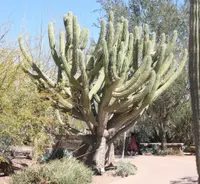
This species forms tall columnar stems rather than the small globular clumps typical of many Mammillaria, which is why it is sometimes placed in the closely related genus Neobuxbaumia in older literature.

Massive armament

Mature plants develop dense clusters of long, stiff spines that can significantly shade the stem surface, helping reduce water loss and protect tissue from intense sun exposure in its native habitat.

Late-season flowering

In cultivation it often flowers later in the warm season than many smaller Mammillaria species, producing rings of small pale flowers near the stem tips when conditions have been consistently warm and bright.

FAQs about Mammillaria gigantea

Lack of flowers usually comes from insufficient light, warm winter temperatures, or excess nitrogen fertilizer. This species needs strong sun, a cool, dry winter rest, and lean soil to set buds and flower reliably.

Grow Healthy Plants with Botan Care

Keep your plants happy and healthy with plant identification, disease detection, and easy care guidance.

Botan plant care app — identify plants on mobile

Explore More Plants