Fairy Parachutes Care (Marasmiellus candidus)

Fairy Parachutes

About Fairy Parachutes

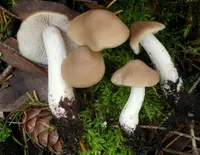
Fairy parachutes, Marasmiellus candidus, is a small saprophytic fungus that lives on decaying plant material rather than in soil like typical houseplants. It produces tiny, pure white, umbrella-like caps on slender stems, often appearing in dense clusters. This species is most often found outdoors in lawns, leaf litter, and mulched beds in warm, humid conditions. Indoors, it sometimes pops up unexpectedly in overwatered pots or very damp terrariums. Its brief life cycle and need for consistently moist, organic-rich substrates make it more of a short-lived guest than a long-term ornamental. Understanding how to care for Fairy Parachutes mainly involves controlling moisture and organic debris so it does not become persistent in potting media.

Main Plant Requirements

Care Difficulty

Moderate Care

Light Preference

Shade

Water Requirements

Keep Soil Moist

Temperature Preference

Warm Climate

Hardiness Zone

Unknown

Soil Texture

Organic-rich, Loamy

Soil pH

Acidic (5.5–6.5)

Soil Drainage

Moist but well-drained

Fertilization

Minimal (feed rarely)

Get Personalized Care Plan

Scan your plant to receive care tips personalized for your specific plant

Available on iOS and Android

How to Care for the Fairy Parachutes

This small saprotrophic fungus prefers soft, filtered light that mimics a shaded forest floor.

  • Provide bright shade or dappled light, such as under shrubs or trees, with at most 1–2 hours of gentle morning sun per day.
  • Avoid strong midday and afternoon sun, which can dry the substrate quickly and shorten Fairy Parachutes fruiting; use leaf litter or low plants for protection.
  • In summer, choose consistently shaded sites; in cooler seasons, slightly more open but still indirect light helps maintain steady fruiting.

This fungus needs consistently damp, not waterlogged, organic material to form and maintain mushrooms.

  • Keep leaf litter or wood debris evenly moist; allow only the top 1–2 cm to dry slightly before rewetting with a gentle, fine spray or light watering.
  • In warm, dry weather, check moisture daily; in cool, humid conditions, reduce watering to avoid standing water, sour smell, or slimy substrate.
  • Shriveling or disappearing caps can indicate the substrate is too dry, while a sour odor or moldy patches suggest excess moisture around Marasmiellus candidus.

This species fruits best in mild, consistently cool to warm temperatures typical of shaded garden or woodland sites.

  • Aim for 60–77°F (16–25°C) for most active growth and fruiting, with steady moisture and shade supporting stable conditions.
  • It tolerates brief drops to about 40°F (4°C), but growth slows markedly and fruiting may pause until temperatures rise again.
  • Avoid hard frost below 32°F (0°C), which damages fruiting bodies, and protect from prolonged heat above 86°F (30°C) that dries the substrate and halts mushrooms.

This fungus handles a wide humidity range but fruits best in moderately moist air.

  • Target 50–70% air humidity around Fairy Parachutes for more reliable fruiting clusters.
  • Dry indoor air can slow or stop new caps and cause existing caps to shrivel prematurely.
  • Increase local humidity by placing shallow water trays nearby or lightly misting the surrounding substrate, not the caps directly.

This decomposing fungus thrives on consistently moist, airy organic substrate rather than mineral soil.

  • Use a fine, loose mix of leaf litter, well-rotted wood pieces, and composted bark to mimic forest floor conditions.
  • Ensure fast drainage so the substrate feels moist but never waterlogged, which encourages bacterial rot and anaerobic conditions.
  • A slightly acidic to neutral pH around 5.5–7 suits Marasmiellus candidus, which naturally colonizes decaying plant matter.
  • Improve aeration by mixing in coarse bark chips or shredded wood to create air pockets and prevent compaction.

This species can be grown in shallow containers if the decaying substrate is set up correctly.

  • Choose a broad, shallow container to spread the organic substrate in a thin layer that the mycelium can quickly colonize.
  • Use firm, compacted but not compressed substrate so the lightweight fruiting bodies stay upright and are less disturbed by watering.
  • Select a container material that insulates slightly, such as thick plastic or glazed ceramic, to keep the decomposing substrate evenly moist.

This small saprophytic fungus usually needs no fertilizer when grown on decaying wood or organic debris.

Pruning is not a standard practice for Marasmiellus candidus, which fruits and decomposes naturally without structural training.

Transplanting is rarely required, since this fungus naturally colonizes decaying plant material rather than typical potting mixes.

  • If moving a colony, transfer the original substrate, such as a piece of decaying wood or mulch, instead of bare mycelium.
  • Handle gently and keep the substrate slightly moist during and after the move to reduce disturbance of the mycelium network.
  • Avoid frequent disturbance; allow the fungus to establish in one location with stable humidity and organic matter.
  • If grown in a container for study, replace spent substrate every 1–2 years by adding fresh, similar organic material.

Propagation of Marasmiellus candidus is mainly achieved by allowing spores and mycelium to spread onto suitable organic material.

  • Encourage natural spread by maintaining a layer of leaf litter, wood chips, or other decomposing organic matter.
  • For controlled propagation, move small pieces of colonized substrate onto fresh, similar material in moist, shaded conditions.
  • Best establishment occurs in mild, humid weather when the substrate stays evenly damp but not waterlogged.
  • Avoid direct sun and frequent disturbance so the mycelium can gradually extend through the new material.

This fungus is generally cold tolerant and requires no specific winter care in typical outdoor conditions.

Care Tips

Substrate rotation

Periodically rotate or replace the decaying wood, leaf litter, or other lignocellulosic substrate to prevent nutrient exhaustion and maintain an active fungal food source for sustained fruiting.

Controlled fruiting zone

Cluster small pieces of inoculated substrate in a shallow tray or box with high side walls to create a localized microclimate that keeps the pins and fruiting bodies from drying out too quickly.

Moisture barrier layer

Cover the colonized substrate lightly with moistened, sterilized leaf litter or fine wood shavings to slow surface evaporation and protect developing primordia without smothering them.

Targeted airflow management

Use a small fan set on low and angled away from the tray to gently refresh air 1–2 times a day, which helps prevent bacterial film and mold while avoiding direct drafts that desiccate the delicate caps.

Clean handling routine

Handle substrate and fruiting trays with clean tools and washed hands, and remove any obviously contaminated pieces promptly to reduce competing molds and maintain stable conditions for growing Fairy Parachutes.

Common Pests and Diseases

Fungus gnats

These insects are small dark flies whose larvae feed in constantly wet, decaying organic material that often surrounds this saprophytic fungus. Symptoms include tiny flies around trays or culture containers and reduced vigor of any companion plants sharing the same substrate.

Solution

Allow the substrate surface to dry slightly between waterings, improve drainage, and remove excess decaying plant debris; use yellow sticky traps for adults and, if needed, a biological control such as Bacillus thuringiensis israelensis (Bti) or predatory nematodes to reduce larvae in the growing medium.

Mite contamination

This pest consists of tiny arthropods that can colonize moist culture containers or trays, feeding on fungal mycelium and young fruiting bodies. Symptoms include deformed or aborted caps, patchy mycelial growth, and fine moving specks on the substrate surface.

Solution

Isolate affected cultures, discard heavily infested material, and clean benches, tools, and containers thoroughly; maintain good hygiene, reduce overcrowding, and, in recurring cases, use fresh sterile substrate and tightly fitted lids or filters to limit new mite entry.

Bacterial blotch

This disease is caused by opportunistic bacteria that thrive on overly wet caps and high humidity with poor air movement, leading to greasy-looking, water-soaked spots on the small white fruiting bodies. Symptoms include yellowish or brown blotches and soft, collapsed tissue on affected clusters.

Solution

Reduce surface wetness by avoiding direct water on caps, increase gentle air movement, and promptly remove and discard blotched fruiting bodies; sanitize tools and containers, and prepare new cultures with clean water and equipment to prevent recurrence as part of general Marasmiellus candidus care.

Interesting Facts

Tiny lawn decomposer

This small, white mushroom commonly appears in irrigated lawns and turf, where it helps break down dead grass blades and thatch, contributing to nutrient recycling in managed landscapes.

Strongly inodorous cap

Unlike many lawn mushrooms, its fruiting bodies have little to no noticeable odor, which mycologists use as one of several field characters to separate it from similar white, grass-inhabiting fungi.

Heat and drought tolerant

The species is often recorded fruiting in warm seasons and can tolerate relatively dry conditions compared with many other small turf mushrooms, allowing it to persist in frequently mown, sun-exposed grass areas.

FAQs about Fairy Parachutes

This delicate fungus usually develops best outdoors on moist, decaying wood, mulch, or leaf litter. Indoors it is short‑lived and difficult to maintain because it relies on decomposing organic material and consistent natural humidity to fruit repeatedly.

Grow Healthy Plants with Botan Care

Keep your plants happy and healthy with plant identification, disease detection, and easy care guidance.

Botan plant care app — identify plants on mobile

Explore More Plants