Marrubium supinum Care

Marrubium supinum

About Marrubium supinum

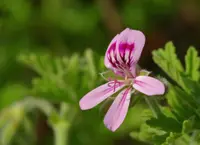
Marrubium supinum is a compact, aromatic perennial herb in the mint family, forming low clumps with softly hairy, grey‑green leaves. Its stems are often slightly woody at the base and carry small whorls of pale flowers in summer, giving it a subdued but distinctive look.

This species is native to dry, rocky areas of southern Europe, so it is naturally adapted to sun, lean soils, and periods of drought. These traits make it relatively undemanding, provided it has good drainage and is not overwatered. Understanding how to care for Marrubium supinum starts with recreating its sunny, well‑drained, low‑moisture habitat.

Main Plant Requirements

Care Difficulty

Easy Care

Light Preference

Full Sun

Water Requirements

Low Water

Temperature Preference

Warm Climate

Hardiness Zone

8–10

Soil Texture

Sandy, Loamy, Rocky

Soil pH

Slightly alkaline (7.0–7.5), Alkaline (7.5–8.5)

Soil Drainage

Well-drained

Fertilization

Minimal (feed rarely)

Get Personalized Care Plan

Scan your plant to receive care tips personalized for your specific plant

Available on iOS and Android

How to Care for the Marrubium supinum

This Mediterranean subshrub thrives in open, bright positions with plenty of direct sun.

  • Provide 6–8 hours of direct sunlight daily; full sun is ideal in most temperate climates.
  • Tolerates light afternoon shade, especially in hotter regions, but prolonged dense shade leads to lanky, weak growth and poor flowering in Marrubium supinum.
  • In summer, strong reflected heat from walls or paving can scorch foliage; in winter, choose a position with maximum sun exposure to maintain compact growth.

This drought-tolerant perennial prefers infrequent, deep watering and well-aerated soil.

  • Outdoors in the ground, water only when the top 5–7 cm of soil are completely dry, then soak thoroughly and allow excess to drain away.
  • Choose sharply drained, gritty soil so roots do not sit in water; persistent wetness causes yellowing leaves, soft stems, and root rot.
  • In hot, dry periods, watch for wilting or dull, drooping leaves as a cue to water, but reduce watering once temperatures cool in autumn and winter.

This species prefers warm, dry conditions and dislikes prolonged cold, wet weather.

  • Active growth is strongest around 65–80°F (18–27°C), typical of late spring and summer in many regions.
  • Established plants tolerate brief drops to about 20–25°F (-6 to -4°C) if soil drains well, but young plants are more vulnerable to freeze damage.
  • In hot summers above 90°F (32°C), ensure soil does not stay waterlogged; combined heat and excess moisture increase stress and disease risk.

This species handles dry air well, so humidity is rarely a limiting factor for Marrubium supinum.

This species prefers light, dry-leaning soil with strong drainage.

  • Use a sandy or gritty loam with a loose, crumbly structure to prevent water retention around the roots.
  • Combine roughly 60% general-purpose potting mix with 40% mineral material such as coarse sand, fine gravel, or perlite for aeration.
  • Aim for slightly alkaline to neutral pH, around 7.0–8.0, and avoid strongly acidic mixes rich in peat.
  • Do not use dense, clay-heavy, or continuously wet substrates, as these encourage root rot and winter losses.

This plant grows reliably in containers when drainage and root zone conditions are controlled.

  • Choose a wide, shallow to medium-depth pot so the fibrous roots can spread without sitting in deep, wet soil.
  • Select terracotta or other porous materials to help moisture evaporate faster after rainfall or irrigation.
  • Raise the pot on feet or bricks so drainage holes clear quickly and no water pools under the container after watering.

This Mediterranean subshrub grows well in lean soil and usually needs only light feeding in cultivation.

  • Use a low-dose balanced NPK fertilizer or a small amount of well-rotted compost in early spring to support Marrubium supinum growth.
  • Apply fertilizer at half the manufacturer’s recommended strength to avoid lush, weak growth in this naturally tough species.
  • Feed once in early to mid growing season; further applications are rarely necessary in average garden soil.
  • Do not fertilize in late fall or winter, as the plant is semi-dormant and excess nutrients may stress roots.

This plant responds well to modest, targeted pruning to keep it compact and healthy.

  • In late winter or early spring, remove dead, damaged, or diseased stems on Marrubium supinum with clean, sharp pruners.
  • Lightly shorten leggy or sprawling shoots to encourage denser, bushier new growth.
  • Thin crowded stems to improve air circulation and reduce the risk of fungal problems.
  • After flowering, trim spent flower spikes to tidy the plant and direct energy back into vegetative growth.

This species is most often grown in the ground, but container plants benefit from careful, infrequent repotting.

  • Transplant or repot in early spring when new growth starts and temperatures are mild.
  • Check for roots circling the pot, slow growth, or soil drying very quickly as signs Marrubium supinum needs a larger container.
  • Move up only 1 pot size, using a free-draining, gritty mix to limit waterlogging and root rot.
  • Handle the root ball gently, loosen circling roots slightly, water well after moving, then shade lightly for a few days to reduce stress.

This plant is commonly propagated from seed and softwood cuttings under simple conditions.

  • Sow fresh seeds of Marrubium supinum in spring in a gritty seed mix, covering lightly and keeping at 65–70°F with even moisture.
  • Take softwood or semi-ripe stem cuttings in late spring to summer, removing lower leaves and any flower buds.
  • Insert cuttings into a well-drained, sandy medium and maintain high humidity and bright, indirect light until rooted.
  • Division of older clumps in early spring is also possible; replant divisions promptly and water to settle soil around roots.

This species is moderately cold tolerant but benefits from light winter protection in colder regions.

  • In areas with frost, apply a 5–8 cm layer of dry mulch around the base of Marrubium supinum to insulate roots, keeping mulch off stems.
  • Allow top growth to die back naturally; avoid heavy pruning just before hard freezes.
  • For container plants, move pots to a sheltered, unheated but frost-free spot with good light and minimal watering.

Care Tips

Pinch For Bushiness

Pinch out soft shoot tips when stems reach 8–10 cm to encourage dense, low growth and reduce the risk of plants flopping or splitting in wind.

Gravel Mulch Base

Apply a 1–2 cm layer of coarse grit or small gravel around the crown to keep foliage dry at soil level and reduce the risk of crown rot in wet periods.

Lean Nutrient Strategy

If growth becomes very lush and floppy, gently fork in a small amount of coarse sand or grit around the root zone to dilute overly rich soil and restore compact, drought-tolerant growth.

Winter Wet Management

In regions with wet winters, plant on a slight mound or raised bed and ensure adjacent soil drains freely so the root system does not sit in cold, stagnant moisture.

Targeted Pest Scouting

Inspect stems and the undersides of leaves every 1–2 weeks during warm weather for aphids or leaf-chewing larvae, and hose off or hand-remove small colonies before they distort new growth, which is a practical part of caring for Marrubium supinum.

Common Pests and Diseases

Powdery mildew

This disease causes a white, powdery film on leaves and young stems, often in warm, dry conditions with poor air circulation. Symptoms include distorted new growth and gradual leaf yellowing or browning.

Solution

Remove heavily affected leaves to reduce spore load, then improve airflow by spacing plants and avoiding overhead watering. If needed, apply a sulfur or potassium bicarbonate fungicide labeled for herbs, spraying in the evening and repeating as directed for consistent Marrubium supinum care instructions.

Leaf spot

This disease produces small brown or tan spots on leaves, sometimes with darker edges that can merge into larger patches. Symptoms include premature leaf drop and a generally thinned, unattractive canopy.

Solution

Prune and dispose of affected leaves, keep foliage dry by watering at soil level, and avoid crowding plants. For persistent problems, use a copper-based fungicide approved for edible or medicinal herbs and rotate treatments with good hygiene, including cleaning tools and removing plant debris around the base.

Aphids

These insects cluster on soft stems and the undersides of leaves, sucking sap and causing curling, yellowing, and sticky honeydew deposits. This pest can attract sooty mold, which blackens leaf surfaces and reduces photosynthesis.

Solution

Spray plants with a strong stream of water to dislodge colonies, then treat remaining insects with insecticidal soap or a light horticultural oil, coating leaf undersides. Repeat every 5–7 days until populations decline, and encourage natural predators such as lady beetles by avoiding broad-spectrum insecticides nearby.

Spider mites

These pests are tiny, sap-sucking arachnids that thrive in hot, dry conditions and cause fine stippling, dull foliage, and eventual bronzing of leaves. Symptoms include delicate webbing between stems and on leaf undersides.

Solution

Increase humidity around plants slightly, then wash foliage thoroughly with lukewarm water, focusing on undersides where mites hide. Follow with insecticidal soap or a miticide labeled for ornamental herbs, repeating several times and maintaining good airflow and regular monitoring to catch new outbreaks early.

Root-knot nematodes

These microscopic worms attack roots, causing galls or swellings that interfere with water and nutrient uptake, leading to stunted growth and chronic wilting despite adequate moisture. Symptoms include poor vigor and yellowing foliage that does not respond to fertilization.

Solution

Remove and destroy severely affected plants and avoid replanting Marrubium or other sensitive herbs in the same spot for several years, using resistant or non-host cover crops instead. Improve soil health with organic matter, consider solarizing infested beds during the hottest part of summer, and grow Marrubium supinum in clean, sterilized containers in affected gardens if the plant must be retained.

Interesting Facts

Iberian limestone specialist

This species is native mainly to the eastern Iberian Peninsula, where it grows on dry, rocky limestone slopes and outcrops, often in very shallow, nutrient-poor soils that many other herbs cannot tolerate.

Densely woolly foliage

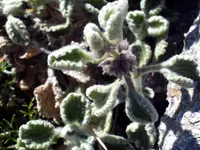
Its leaves and young stems are covered in a thick layer of whitish hairs, a trait that reduces water loss and reflects intense sunlight in its Mediterranean habitats.

Nectar for steppe insects

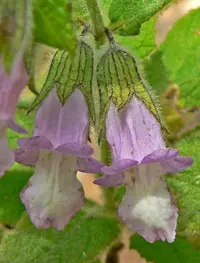
The tubular, lipped flowers are adapted to pollination by bees and other steppe insects that can access the nectar deep inside the corolla, supporting local pollinator communities in open scrub and grassland mosaics.

Botan icon

Did you know?

Marrubium supinum is considered a narrow Mediterranean endemic, with wild populations restricted to a relatively small geographic range in Spain and adjacent areas, which makes it of particular interest for studies on plant diversification and endemism in the eastern Iberian limestone flora.

FAQs about Marrubium supinum

Lack of flowers usually comes from too much shade, rich or over-fertilized soil, or pruning at the wrong time. Full sun, lean well-drained soil, and only light shaping after flowering help restore normal blooming.

Grow Healthy Plants with Botan Care

Keep your plants happy and healthy with plant identification, disease detection, and easy care guidance.

Botan plant care app — identify plants on mobile

Explore More Plants