Melanoleuca strictipes Care

Melanoleuca strictipes

About Melanoleuca strictipes

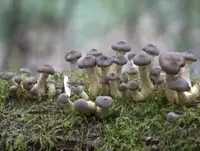
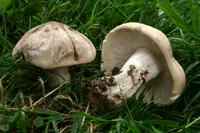
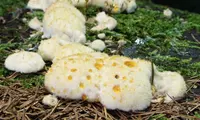
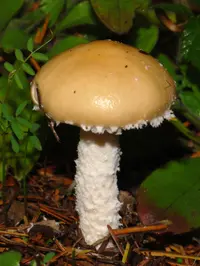
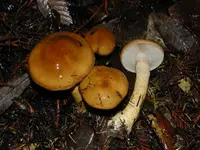
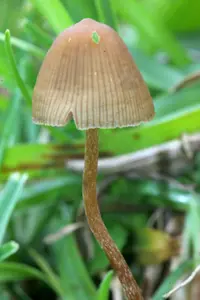
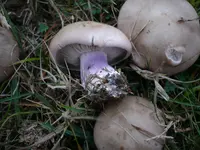
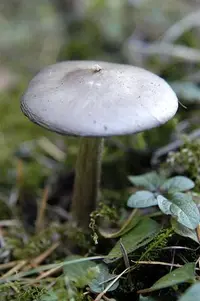
Melanoleuca strictipes is not a leafy plant but a small to medium-sized gilled mushroom, typically with a pale to grayish cap and a slender, straight stem. It grows on soil, often in grasslands, meadows, and open woodland, mainly in temperate regions of Europe and parts of North America.

Fruiting bodies appear seasonally, usually in groups or scattered rather than in dense clusters. The species is considered inedible and of no culinary interest.

This fungus develops from decaying organic matter, so it is not suited to conventional pot culture or ornamental use. For those studying fungi outdoors, understanding how to care for Melanoleuca strictipes mainly involves conserving its natural habitat and soil conditions.

Main Plant Requirements

Care Difficulty

Moderate Care

Light Preference

Partial Shade

Water Requirements

Moderate Water

Temperature Preference

Cool Climate

Hardiness Zone

Unknown

Soil Texture

Loamy

Soil pH

Slightly acidic (6.5–7.0)

Soil Drainage

Well-drained

Fertilization

Minimal (feed rarely)

Get Personalized Care Plan

Scan your plant to receive care tips personalized for your specific plant

Available on iOS and Android

How to Care for the Melanoleuca strictipes

This species prefers cool, bright woodland conditions with filtered light rather than full, open sun.

  • Aim for dappled or filtered light for 3–5 hours per day, such as light under deciduous trees, avoiding strong midday sun that can dry the substrate quickly.
  • Tolerates partial shade and even fairly dim light, but dense shade reduces fruiting bodies and can lead to stretched, weak stems.
  • In open sites, provide morning sun and afternoon shade; during hot summer periods, increased shade and stable moisture support healthier Melanoleuca strictipes colonies.

Moist, not waterlogged, soil supports the best development of this woodland fungus.

  • Maintain consistently moist soil or leaf litter, letting only the top 1–2 cm start to dry before rewetting in dry spells, especially during active fruiting.
  • Ensure water drains freely; standing water or compacted, soggy soil increases rot in the mycelium and reduces the chance of stable mushroom formation.
  • In hot, dry weather, monitor the surface daily for cracking or pale dryness, while in cool, wet seasons, reduce supplemental watering to avoid prolonged saturation.

This species is adapted to cool to mild outdoor conditions and reacts strongly to temperature extremes.

  • Optimal fruiting often occurs around 50–65°F (10–18°C), with steady moisture and moderate humidity supporting the most stable structures.
  • Tolerates cool spells down to about 32°F (0°C), but repeated hard frosts can damage fruiting bodies even if underground mycelium survives.
  • Sustained heat above 77–82°F (25–28°C) typically shortens mushroom lifespan, so shaded, cooler microhabitats help buffer Melanoleuca strictipes during warm periods.

This fungus does not require humidity control for cultivation in typical outdoor conditions.

This saprophytic fungus grows best in loose, well-drained, organically enriched soil or substrate.

  • Use a crumbly loamy or sandy-loam substrate rich in leaf litter, wood chips, or other decomposed organic matter to support fruiting bodies.
  • Ensure rapid drainage so water does not pool; excess moisture around the substrate encourages bacterial growth and rot of developing mushrooms.
  • Maintain slightly acidic to neutral conditions around pH 5.5–7.0, avoiding limed or highly alkaline soils that can suppress fungal activity.
  • Avoid compacted, heavy clay or waterlogged sites; gently incorporate coarse sand or fine bark to improve aeration and pore space.

This species is generally unsuited to decorative container growing, but can be cultivated in controlled tubs or boxes for experimental purposes.

  • Use a deep, opaque tub that retains darkness and allows layering of organic substrate, which supports stable moisture and mycelial spread.
  • Drill multiple side and bottom holes to balance drainage with humidity, preventing stagnant water while keeping the substrate evenly moist, not saturated.
  • Place the container in a sheltered outdoor spot where temperature and airflow mimic natural woodland margins, avoiding direct strong sun that overheats the substrate.

This woodland fungus generally grows without supplemental feeding in natural soil or mulch-rich sites.

Pruning is not applicable for Melanoleuca strictipes, as it is a short-lived mushroom that completes its life cycle without structural maintenance.

Transplanting is not typically practiced for this wild, soil-dwelling fungus, which establishes naturally where conditions suit it.

  • If relocation is attempted, move only intact sod or leaf-litter blocks containing the mycelium, not just the fruiting bodies.
  • Carry out any move during cool, moist weather to reduce desiccation of the fungal tissue.
  • Minimize disturbance by keeping the soil structure, organic debris, and moisture level as similar as possible at the new site.
  • Avoid frequent disturbance; mycelial networks establish slowly and may not fruit reliably after heavy handling.

Propagation of this fungus is usually left to natural spore dispersal rather than deliberate human methods.

  • Spore-based spread occurs as caps mature and release spores into moist air currents and surrounding soil.
  • To encourage natural colonization, maintain a stable, undisturbed layer of leaf litter and decaying organic matter.
  • If attempting spore transfer, move small plugs of colonized soil or mulch from a fruiting site to a similar, shaded location.
  • Keep the recipient area evenly moist but not waterlogged, since excess dryness or saturation can suppress mycelial growth.

Specific winter care is generally unnecessary, as the mycelium is adapted to seasonal temperature changes in the soil.

  • Fruiting bodies will disappear naturally with frost, while the main fungal network persists below ground.
  • A stable layer of leaf litter or mulch helps buffer soil temperature and moisture over winter.
  • Avoid deep soil disturbance during cold months so the mycelium remains insulated and intact.

Care Tips

Accurate field identification

Use a regional mushroom guide and confirm key features such as spore print color, gill attachment, and stem texture before handling or disturbing colonies, as this species is easily confused with other white-gilled mushrooms.

Minimize site disturbance

When observing or photographing a fruiting patch, step on existing paths or bare ground and avoid raking leaf litter so the underlying mycelium network remains intact and can fruit again in future seasons.

Selective harvesting technique

If collecting specimens for scientific study, cut stems cleanly at the base with a knife rather than pulling, and leave several intact mushrooms in each cluster to allow continued spore release and reduce stress on the mycelium.

Spore print monitoring

Take spore prints from several mature caps across the fruiting area each season to track consistency in characteristics and help detect whether similar but different species are appearing on the same site.

Habitat recording and mapping

When caring for Melanoleuca strictipes in a monitored habitat, record GPS location, associated plant species, soil type, and recent weather, then repeat observations yearly to better understand the conditions that support reliable fruiting.

Common Pests and Diseases

Fungivorous springtails

These insects feed on decaying organic matter around the fruiting bodies and can occasionally graze on young tissue, especially in very damp substrates. This pest is favored by constantly wet conditions and dense organic litter where Melanoleuca strictipes appears.

Solution

Reduce excess moisture by improving drainage and avoiding overwatering if the fungus is being cultivated, and remove very wet debris where springtails congregate. For high numbers in containers or trays, use yellow sticky traps and a biological control such as Bacillus thuringiensis israelensis or predatory mites, and allow the surface layer to dry slightly between waterings.

Fungus gnat larvae

These insects thrive in very moist, organic-rich substrates and the larvae can tunnel through developing fungal tissue or mycelium. Symptoms include slowed or distorted development of fruiting bodies and visible small, dark gnats flying around the growing area.

Solution

Let the top layer of the substrate or casing dry slightly between irrigations, and remove any saturated patches. Use fine-mesh covers over vents, place yellow sticky traps to catch adults, and apply a biological control such as Bacillus thuringiensis israelensis or predatory nematodes to reduce larval populations in cultivation setups for growing Melanoleuca strictipes.

Bacterial blotch

This disease causes water-soaked, greasy-looking spots and discolored patches on caps and stipes, especially under prolonged surface wetness. Symptoms include slimy or tacky areas that may turn darker and reduce the quality and appearance of the fruiting bodies.

Solution

Limit standing water on caps by using finer misting and ensuring good air movement to dry surfaces between irrigations. Remove and discard affected fruiting bodies, disinfect tools and containers, and improve hygiene in the growing area by regularly cleaning benches, trays, and any reusable surfaces with an appropriate disinfectant.

Interesting Facts

Grassland fruiting specialist

This saprotrophic fungus typically fruits in unimproved grasslands, meadows, and lawns rather than forests, showing a strong preference for nutrient-poor, short turf habitats in temperate Europe and parts of North America.

Slender, rooting stipe

The species epithet strictipes refers to its relatively long, straight, and often somewhat rooting stipe (stem), which can extend into the soil more deeply than many similar lawn mushrooms and helps distinguish it in the field.

Subtle but diagnostic odor

Fresh fruitbodies often have a faintly farinaceous, or mealy, smell, a characteristic odor caused by specific volatile compounds and used by mycologists as one of several diagnostic characters when confirming identification.

FAQs about Melanoleuca strictipes

This mushroom is generally regarded as inedible or of very poor culinary value. Identification within Melanoleuca is difficult, and confusion with toxic look-alikes is possible, so it should not be collected for food.

Grow Healthy Plants with Botan Care

Keep your plants happy and healthy with plant identification, disease detection, and easy care guidance.

Botan plant care app — identify plants on mobile

Explore More Plants