Wind-firm training
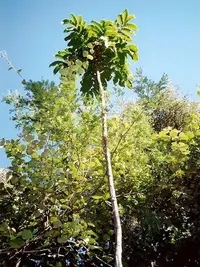
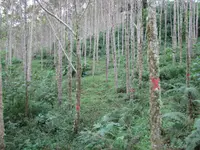
In the first 2–3 years, lightly stake young plants and remove lower, weak side shoots to encourage a single sturdy leader, which helps the tree cope better with coastal or windy sites.

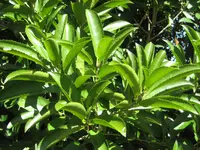
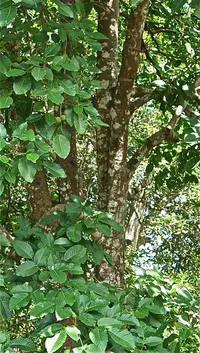
Whiteywood, Melicytus ramiflorus, is a hardy evergreen shrub or small tree native to New Zealand’s forests and coastal areas. It is often used in shelterbelts and restoration plantings.
The plant has pale, often slightly toothed leaves and a light, open canopy, with small, inconspicuous flowers followed by purple to black berries that attract birds. It tends to grow quickly and adapts to a wide range of conditions, which makes it relatively easy to establish in gardens.
Whiteywood prefers moist, well-drained soil and can tolerate both sun and partial shade. These traits make it straightforward for gardeners who want to learn how to care for Whiteywood in temperate climates.

Care Difficulty
Easy Care

Light Preference
Partial Shade

Water Requirements
Moderate Water

Temperature Preference
Cool Climate

Hardiness Zone
8–11

Soil Texture
Loamy, Sandy, Organic-rich

Soil pH
Acidic (5.5–6.5), Slightly acidic (6.5–7.0)

Soil Drainage
Moist but well-drained

Fertilization
Minimal (feed rarely)
Scan your plant to receive care tips personalized for your specific plant
Available on iOS and Android
Melicytus ramiflorus prefers bright, gentle light similar to an open woodland edge.
This species prefers consistently moist but not waterlogged soil, especially while establishing.
This plant is a cool to mild climate shrub that tolerates a reasonable temperature range once established.
This species copes well with a wide humidity range and rarely needs special humidity management.
Melicytus ramiflorus prefers a loose, moist, well-drained substrate that does not stay waterlogged.
This species can adapt to container growing for smaller specimens or temporary cultivation.
This hardy native tree typically needs minimal feeding in garden soil, but light fertilization supports healthy growth in containers or poor sites.
Melicytus ramiflorus responds well to light structural pruning to maintain form and plant health.
This species is usually grown in the ground, so focus on careful transplanting rather than frequent repotting.
New plants are most often raised from seed, with cuttings used where controlled Melicytus ramiflorus plant care is desired.
This tree is moderately cold hardy in mild to cool climates and usually needs only basic winter care in the ground.

Plant Health Check
Not sure what's wrong with your plant? Check your plant's health inside the app.
This species is dioecious, meaning male and female flowers occur on separate plants, so both sexes in a population are needed to produce its characteristic dark berries.
It is one of the most common early successional shrubs in New Zealand lowland and coastal forests, quickly establishing in disturbed sites and helping create the shade and shelter required for slower-growing tree species.
Young plants often have smaller, tougher leaves and a denser branching pattern than adults, a change in form known as heteroblasty that is common in several New Zealand woody species.

The small, pale flowers and purple-black berries of this species are an important seasonal food source for many native New Zealand birds, including tūī, kererū, korimako, and tauhou, which disperse its seeds widely through their droppings and strongly influence its natural distribution.
This species is evergreen and keeps its foliage year-round in suitable climates. Leaves may thin slightly in stressful conditions, but it does not have a true dormant leafless phase like many deciduous shrubs or trees.
Keep your plants happy and healthy with plant identification, disease detection, and easy care guidance.