Merulius incarnatus Care

Merulius incarnatus

About Merulius incarnatus

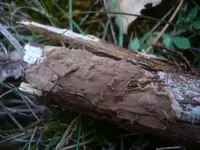
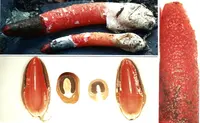
Merulius incarnatus is a wood-decaying fungus, not a typical houseplant. It usually forms thin, spreading, crust-like patches on dead or very decayed wood. The surface is often irregular, with folded or wrinkled texture, and may appear in pale to slightly colored tones depending on age and conditions.

This species occurs mainly in forested or wooded areas, where it helps break down fallen branches and stumps. It is not commonly cultivated, so how to care for Merulius incarnatus is mostly relevant for those studying or monitoring natural wood decay, rather than for home growing.

In nature it favors consistently moist, shaded sites with access to decomposing wood, and it depends on stable humidity rather than direct light or rich soil.

Main Plant Requirements

Care Difficulty

Moderate Care

Light Preference

Partial Shade

Water Requirements

Keep Soil Moist

Temperature Preference

Warm Climate

Hardiness Zone

Unknown

Soil Texture

Loamy, Peaty, Organic-rich

Soil pH

Acidic (5.5–6.5)

Soil Drainage

Moist but well-drained

Fertilization

Minimal (feed rarely)

Get Personalized Care Plan

Scan your plant to receive care tips personalized for your specific plant

Available on iOS and Android

How to Care for the Merulius incarnatus

This saprophytic fungus prefers low to moderate forest light rather than full, open sun.

  • Aim for dappled or filtered light equal to 2–4 hours of weak morning sun, avoiding direct midday and afternoon exposure.
  • Site Merulius incarnatus on decaying wood or mulch in partial to full shade, such as under shrubs, trees, or along the north side of structures.
  • In summer, protect from hot, drying sun that can desiccate the substrate; in winter, reduced light is acceptable as long as the wood or litter stays moist.

Moist, not waterlogged, substrate is essential for stable fruiting of this wood-decaying fungus.

  • Maintain consistently damp wood, mulch, or leaf litter; the surface should feel moist to the touch but never soggy or slimy.
  • Increase watering or misting during hot, dry weather if the top 1–2 cm of the substrate dries out, especially on exposed logs or chips.
  • Reduce added moisture in cool, wet seasons to avoid stagnant water, which encourages competing molds and can limit healthy mycelial growth.

This species fruits best in mild, consistently moist conditions without temperature extremes.

  • Optimal fruiting occurs around 60–77°F (16–25°C), with steady moisture and shade supporting stable development.
  • It tolerates cooler spells down to about 40°F (4°C), but prolonged frost or hard freezes can damage or halt fruiting bodies.
  • Heat above 86°F (30°C), especially with dry air, can dry and shrink the fruiting layer; in hot periods, shade and moisture retention in the substrate are critical.

This saprobic fungus has flexible humidity needs but fruits best in moderately moist air.

  • Aim for 50–70% humidity around developing fruiting bodies, especially in sheltered or shaded sites.
  • It tolerates short dry spells, but prolonged air below 40% can slow growth and cause edges to dry and curl.
  • If conditions are very dry, increase local humidity by misting nearby surfaces or placing shallow water trays close, without soaking the substrate.

This fungus thrives in loose, organic-rich substrate that stays evenly moist yet drains freely.

  • Use a mix of well-rotted wood chips, leaf litter, and compost to mimic decaying forest debris for Merulius incarnatus.
  • Ensure the substrate drains easily; excess standing water around wood or mulch encourages anaerobic conditions that suppress fungal growth.
  • Maintain a slightly acidic to neutral environment, roughly pH 5.5–7.0, by favoring leaf mold and avoiding heavy lime application.
  • Improve aeration by blending in coarse wood chips or shredded bark so air can penetrate while the substrate still holds consistent moisture.

This species is suitable for container growing when provided with a deep, ventilated substrate layer.

  • Choose a broad, shallow box or tub that allows horizontal spread of colonized wood or mulch without compacting.
  • Use rigid containers that do not flex, so the substrate structure remains stable as the fungus decomposes the woody material.
  • Elevate the container slightly on blocks or grids so drainage holes stay clear and air circulates under the base to reduce waterlogging.

This saprophytic fungus normally grows on nutrient-rich wood and does not require additional fertilizer in cultivation.

Merulius incarnatus does not need structured pruning, but limited cleanup can support hygiene in cultivated setups.

  • Remove decayed or moldy substrate with clean tools to reduce competing fungi and bacteria.
  • Discard badly contaminated or foul-smelling blocks rather than trimming extensively.
  • Trim away only clearly spent or collapsed fruiting bodies to keep air moving around the colony.
  • Avoid cutting into the main mycelium mat, which can slow regrowth and fruiting.

This wood-decay fungus is managed by renewing or moving its substrate rather than traditional repotting.

  • Transplant or refresh when growth slows, fruiting declines, or the wood/substrate is fully colonized and drying out.
  • Choose mild conditions, often spring or early fall, to reduce temperature and moisture stress on the mycelium.
  • Move chunks of colonized substrate gently into fresh, similar material, keeping the mycelium intact and shaded.
  • Mist lightly after moving and maintain steady humidity to limit shock and allow the colony to re-establish.

Reproduction relies on spores and transferring colonized substrate, which is more technical than standard plant propagation.

  • Use spore prints or colonized plugs placed into fresh, pasteurized wood or a sterile lignin-rich mix.
  • Start new cultures in warm, stable conditions around 68–77°F with high humidity and very low air movement.
  • Keep containers shaded or in low light, as the fungus feeds on wood rather than photosynthesizing like plants.
  • Work with clean tools and, when possible, basic sterile technique to limit contamination by faster-growing molds.

Outdoor colonies on natural wood in temperate climates usually need little targeted winter care.

  • In very cold regions, place logs in a sheltered, unheated area that stays just above prolonged deep freeze.
  • Maintain some moisture in the wood; avoid complete drying by occasional light watering during mild spells.
  • For container or indoor culture, hold at 40–55°F in winter with moderate humidity to slow but not stop activity.

Care Tips

Substrate wood selection

Use fresh, undecayed hardwood chips or sawdust rather than softwood, as this species colonizes dense lignin-rich wood more reliably and produces firmer fruiting bodies.

Shallow bed formation

Form a shallow layer of inoculated wood waste, no deeper than 5–7 cm, to maintain good aeration and avoid anaerobic pockets that slow mycelium growth.

Moisture barrier cover

After inoculation, cover the wood layer with breathable burlap or shade cloth to reduce surface drying while still allowing air exchange and preventing direct sun scorch on forming fruit bodies.

Edge colonization check

Inspect the edges of the bed or container for visible white mycelium before expecting fruiting, since margins usually show reliable colonization progress in growing Merulius incarnatus.

Rotation and hygiene

Rotate the growing site every 1–2 years and remove old, fully decomposed wood to limit buildup of competing fungi and insects that can outcompete or damage the colony.

Common Pests and Diseases

Secondary sap beetles

These insects are attracted to the soft, decaying fruiting bodies and tunnel through the tissue, accelerating breakdown and spreading other microbes. Symptoms include small holes, frass, and rapid collapse of the fungal structure.

Solution

Remove and discard heavily infested fruiting bodies promptly and keep the surrounding substrate clean of fallen organic debris to reduce attraction. For outdoor or cultivation settings, use fine mesh or physical barriers around developing fruiting bodies and avoid leaving overripe fungal tissue in place, as this is important for Merulius incarnatus care instructions in managed displays.

Fungus gnat larvae

These insects lay eggs in moist, organic substrates, and the larvae feed on tender fungal tissue and fine mycelium. Symptoms include thinning, patchy growth of the fungal mat and premature deterioration of young fruiting bodies.

Solution

Allow the upper layer of the substrate to dry slightly between waterings and improve ventilation to make conditions less favorable for larvae. In cultivation trays or containers, use yellow sticky traps for adults and, if needed, drench the substrate with a biological control such as Bacillus thuringiensis israelensis, following label directions carefully.

Green mold contamination

This disease is caused by Trichoderma species that colonize the same substrate and outcompete the fungus, producing dense green patches over the mycelium. Symptoms include loss of the characteristic coral-pink surface and replacement by fast-spreading green or gray-green mold.

Solution

Physically remove and discard contaminated substrate and fruiting bodies as soon as green patches are noticed, and avoid composting them near cultivation areas. Reduce excess moisture, increase air movement, and sterilize or pasteurize new substrate materials before use to limit future contamination.

Bacterial soft rot

This disease develops in persistently wet, stagnant conditions and turns the fruiting tissue into a slimy, foul-smelling mass. Symptoms include water-soaked spots that quickly become mushy and may attract flies or other insects.

Solution

Discard affected fruiting bodies and improve drainage and air exchange around remaining growth to prevent further spread. In cultivation, avoid overhead watering onto fruiting surfaces, reduce humidity slightly, and sanitize tools or containers that contacted rotted tissue.

Interesting Facts

Coral-pink crust fungus

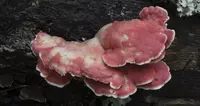
Merulius incarnatus forms a thin, coral to salmon-pink crust that spreads over dead wood, bark, or plant debris, rather than producing the familiar cap-and-stem mushroom shape.

Wrinkled pore surface

Its fertile surface is strongly wrinkled and folded, creating a maze-like network of ridges and shallow pores that increases spore-producing area without building a thick fruiting body.

Wood decay specialist

This species is a saprotroph, meaning it feeds on dead organic matter, and contributes to the decomposition of fallen branches and logs, helping recycle nutrients back into forest soils.

FAQs about Merulius incarnatus

This crust fungus can spread widely over suitable dead wood or very decayed organic matter, forming expanding patches. It does not invade living plants but can quickly cover exposed, moist lignin-rich surfaces under favorable conditions.

Grow Healthy Plants with Botan Care

Keep your plants happy and healthy with plant identification, disease detection, and easy care guidance.

Botan plant care app — identify plants on mobile

Explore More Plants