Mesembryanthemum resurgens Care

Mesembryanthemum resurgens

About Mesembryanthemum resurgens

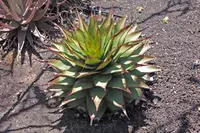
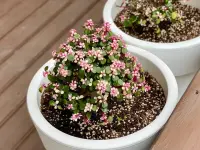
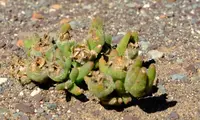
Mesembryanthemum resurgens is a compact, mat-forming succulent from arid regions of southern Africa. It stores water in its thick, paired leaves and rests partially buried in the soil. During its active season it produces daisy-like flowers that open in bright light, giving a low, sparkling display close to the ground. Its small size and slow, steady growth make it well suited to containers, rock gardens, and indoor windowsills. This species is generally considered easy to manage if watering is restrained and light is strong. Understanding how to care for Mesembryanthemum resurgens starts with providing sharp-draining soil, bright sun, and long dry intervals between waterings.

Main Plant Requirements

Care Difficulty

Easy Care

Light Preference

Full Sun

Water Requirements

Low Water

Temperature Preference

Tropical / Frost Sensitive

Hardiness Zone

10–11

Soil Texture

Sandy, Loamy, Rocky

Soil pH

Slightly acidic (6.5–7.0), Neutral (7.0)

Soil Drainage

Well-drained

Fertilization

Minimal (feed rarely)

Get Personalized Care Plan

Scan your plant to receive care tips personalized for your specific plant

Available on iOS and Android

How to Care for the Mesembryanthemum resurgens

This sun-loving succulent thrives in bright, open positions with strong direct light.

  • Provide 6–8 hours of direct sun daily; full sun is best, especially morning to mid-afternoon, to keep growth compact and flowering strong.
  • Accepts light partial shade, but stems may stretch and flower production drops if it receives under 4–5 hours of direct sun.
  • In very hot summers, harsh late-afternoon sun can scorch leaves; use light shade cloth or situate where it gets brief relief from sun at peak heat.

This species prefers infrequent, deep watering and very fast-draining soil.

  • Allow the top 3–5 cm of soil to dry completely before watering; sandy or gritty soil prevents roots from sitting in moisture.
  • Water thoroughly, then let excess drain away; leaves that turn soft, translucent, or split indicate overwatering and possible root rot.
  • Reduce watering sharply in cool seasons and during cloudy spells; slight leaf wrinkling and mild shriveling signal time to water for Mesembryanthemum resurgens.

This succulent favors warm, dry conditions and does poorly in prolonged cold or frost.

  • Aim for 65–80°F (18–27°C) for active growth, with low humidity to reduce rot risk.
  • It tolerates brief dips to about 30–32°F (-1–0°C) if soil is dry, but repeated or hard frosts can damage foliage and roots.
  • In hot climates, it copes with 90–100°F (32–38°C) if soil drains very quickly and plants receive some airflow and slight afternoon relief from intense heat.

This succulent thrives in dry indoor air and rarely needs humidity adjustment.

  • Target 30–50% relative humidity, similar to most heated or air-conditioned homes.
  • Plant tolerates very dry air; issues usually come from excess moisture rather than low humidity.
  • If leaves turn mushy or translucent, reduce ambient humidity and improve air flow instead of misting.

Soil for Mesembryanthemum resurgens must be very fast-draining and air-filled to prevent root rot.

  • Use a gritty mix such as 50–70% mineral components (coarse sand, pumice, or fine gravel) blended with cactus potting mix.
  • Aim for slightly acidic to neutral pH around 6.0–7.0, avoiding strongly acidic or alkaline extremes.
  • Increase aeration by adding extra pumice or perlite rather than more organic matter, which holds excess water.
  • Avoid dense, peat-heavy, or clay soils that stay wet, compact, or form a crust on the surface.

This species is well suited to container growing in bright, dry locations.

  • Choose a wide, shallow pot to match the relatively shallow roots and spreading habit, which also reduces water retention depth.
  • Prefer unglazed terracotta if extra evaporation is needed, as it allows moisture to escape through the pot walls.
  • Elevate the container slightly on pot feet so drainage holes stay clear and water runs off quickly after watering.

This compact succulent has low nutrient demand, so use light feeding to support growth without softening tissues.

  • Apply a balanced, low-nitrogen liquid fertilizer at 1/4–1/2 strength every 4–6 weeks in spring–summer when Mesembryanthemum resurgens is actively growing.
  • Choose a balanced NPK or cactus-specific formula rather than rich compost or manure, which hold excess moisture.
  • Skip feeding in fall–winter when growth slows or the plant is semi-dormant, maintaining bright light and proper watering instead.
  • Flush the pot with plain water a few times per season to limit salt buildup from fertilizers in the gritty soil mix.

This species needs only light, targeted pruning to keep the mat compact and flowering well.

  • Carry out most pruning in late winter or early spring, before the main flush of new growth.
  • Use clean, sharp scissors or snips to remove dead, damaged, or mushy stems at their base.
  • Trim back sparse or elongated shoots to encourage branching and a denser cushion of foliage and blooms.
  • After flowering waves, lightly shear spent, leggy tips to refresh shape without cutting into firm, healthy crowns of Mesembryanthemum resurgens.

This succulent grows best slightly root-bound and only needs infrequent repotting or transplanting.

  • Consider repotting when roots circle the pot, emerge from drainage holes, or when growth and flowering decline despite good light.
  • Plan moves for late winter or early spring, every 2–3 years, using a shallow container with excellent drainage.
  • Gently loosen the root ball, remove old compacted mix, and replant in a gritty, mineral-rich substrate, disturbing roots as little as possible.
  • Water lightly after repotting, keep in bright but indirect light for 5–7 days, then resume normal sun exposure once Mesembryanthemum resurgens shows firm, turgid growth.

This plant is commonly multiplied from stem cuttings or seeds under warm, bright conditions.

  • Take short, firm tip cuttings in late spring–summer, let cut ends callus for 2–3 days, then place in a dry, gritty cactus mix.
  • Keep cuttings in bright, indirect light at 68–77°F, misting the soil surface lightly to avoid rot while roots form.
  • Sow fresh seeds on the surface of a fast-draining mix, barely covering them, and maintain gentle warmth and consistent but minimal moisture.
  • Once rooted or germinated, increase light gradually and allow the soil to dry well between waterings to harden young Mesembryanthemum resurgens plants.

This succulent dislikes prolonged freezing and benefits from basic winter protection, especially in cold or wet climates.

  • In regions below about 25°F, grow Mesembryanthemum resurgens in containers so plants can be moved indoors to a bright, cool room.
  • Outdoors in mild zones, ensure perfectly drained soil and avoid overhead watering as days shorten and temperatures drop.
  • Use a light gravel mulch around the crown to keep stems dry and reduce freeze–thaw stress near the root zone.

Care Tips

Root-zone insulation

In climates with occasional light frost, place plants in clay pots inside a slightly larger outer pot filled with dry grit or perlite around the inner pot to buffer rapid temperature swings at the root zone.

Controlled clump renewal

Every 2–3 years, lift the plant at the end of its active season, discard any woody or shriveled central stems, and replant only the youngest, firm segments to keep the clump low, dense, and floriferous.

Targeted rain protection

In regions with wet winters, set up a simple clear plastic or polycarbonate rain shield that covers the pot surface but remains open at the sides so foliage and crown stay dry while air circulation is maintained.

Preventing stem rot

Position the plant on a slight slope or mound in the container or bed so that irrigation water runs away from stem bases, which significantly reduces the risk of rot in older, branching plants.

Light-acclimation staging

When moving plants from indoor overwintering to full outdoor sun, shift them through 2–3 intermediate positions with increasing light over 10–14 days to avoid bleaching or tissue stress while growing Mesembryanthemum resurgens.

Common Pests and Diseases

Mealybugs

This pest feeds on succulent leaves and stems, often hiding in leaf joints and stem crevices. Symptoms include cottony white masses, distorted new growth, and sticky honeydew on nearby surfaces.

Solution

Isolate the plant, then dab visible mealybugs with cotton swabs dipped in 70% isopropyl alcohol and repeat weekly until no new pests appear. For larger infestations, rinse the plant gently with lukewarm water, allow it to dry well, then apply a light, ready-to-use insecticidal soap, keeping soil on the dry side and improving airflow around the plant.

Aphids

These insects cluster on tender shoots and flower stalks, sucking sap and causing curling, yellowing, and stunted growth. Sticky honeydew and sooty mold can develop on affected areas.

Solution

Remove heavily infested tips and rinse remaining stems with a strong but controlled stream of water, taking care not to damage fleshy leaves. If activity continues, use a low-strength insecticidal soap or neem oil spray in the early morning, repeating every 5–7 days while monitoring for natural predators like lady beetles outdoors.

Spider mites

This pest thrives in hot, dry conditions, causing fine stippling on leaves that can progress to a dull, grayish or bronzed appearance. Symptoms include very fine webbing between leaves and stems and a general loss of vigor.

Solution

Increase humidity around the plant slightly without overwatering, then gently hose or shower the foliage to remove mites and webs. Follow with a targeted miticide or neem oil spray on both leaf surfaces, repeating several times at 5–7 day intervals while keeping the plant in bright, well-ventilated conditions.

Botrytis blight

This disease appears in cool, humid, or poorly ventilated conditions as soft, water-soaked spots on leaves and stems that develop gray, fuzzy mold. Symptoms include collapsing tissues near the soil line or on crowded stems, especially after overhead watering or physical damage.

Solution

Remove and discard all affected tissues, improve spacing and air movement, and avoid wetting the foliage, especially late in the day. Allow the soil surface to dry fully between waterings and, if the problem persists, apply a fungicide labeled for botrytis on ornamentals, focusing on stems and leaf bases and adjusting general Mesembryanthemum resurgens care to ensure strong light and drier conditions.

Edema

This physiological disorder occurs when roots absorb water faster than the plant can use it, leading to water blisters that turn corky on leaves and stems. Symptoms include small, raised, tan or brown patches, often on the lower parts of the plant after periods of overwatering or sudden change from dry to very wet soil.

Solution

Adjust watering to a soak-and-dry cycle, allowing the potting mix to dry almost completely before watering again, especially in cooler or low-light periods. Improve light levels, use a very fast-draining succulent mix, and ensure the container has excellent drainage so new growth develops normally even though existing corky scars will remain.

Interesting Facts

Leaf-pair growth rhythm

This species grows in paired leaves that are replaced seasonally, with each new pair emerging from between the old ones as they dry and shrink, a growth pattern known as a leaf-exchange cycle that is common in some South African mesembs adapted to erratic rainfall.

Camouflaged stone habit

In habitat it often grows partly buried among gravelly, quartz-rich soils, where its low, rounded leaf pairs and muted colors help it blend with surrounding stones and reduce herbivore attention and sun stress, a strategy similar to other so‑called living stones.

Summer-dormant lifecycle

M. resurgens typically favors growth and flowering in the cooler, moisture-available seasons and can enter a semi-dormant state in hot, dry summer periods, conserving resources by slowing visible growth above ground while maintaining living tissue inside the succulent leaves.

FAQs about Mesembryanthemum resurgens

In suitable conditions, this species often flowers over an extended season, producing several flushes rather than a single bloom period. Deadheading spent flowers and maintaining good light and drainage help sustain repeated flowering through warm, bright months.

Grow Healthy Plants with Botan Care

Keep your plants happy and healthy with plant identification, disease detection, and easy care guidance.

Botan plant care app — identify plants on mobile

Explore More Plants