Senecio formosoides Care

Senecio formosoides

About Senecio formosoides

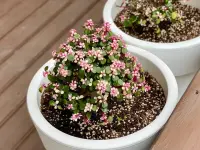
Senecio formosoides is a succulent perennial from southern Africa, valued for its compact growth and fleshy, water-storing leaves. It typically forms low, branching clumps that give a tidy, architectural look in pots or rock gardens.

In its natural habitat, it grows in sunny, dry conditions with fast-draining, often rocky soils. This background makes it relatively forgiving of missed waterings but sensitive to soggy substrates.

For those learning how to care for Senecio formosoides, its main needs are bright light, low to moderate watering, and a gritty, well-aerated soil mix to avoid root rot.

Main Plant Requirements

Care Difficulty

Moderate Care

Light Preference

Partial Sun

Water Requirements

Low Water

Temperature Preference

Warm Climate

Hardiness Zone

10–11

Soil Texture

Sandy, Loamy, Rocky

Soil pH

Slightly acidic (6.5–7.0), Neutral (7.0)

Soil Drainage

Well-drained

Fertilization

Minimal (feed rarely)

Get Personalized Care Plan

Scan your plant to receive care tips personalized for your specific plant

Available on iOS and Android

How to Care for the Senecio formosoides

This drought-tolerant succulent prefers bright, indirect light with some direct sun for compact growth.

  • Provide 4–6 hours of morning sun or late-afternoon sun, plus bright indirect light for the rest of the day; harsh midday sun can scorch leaves, especially in hot climates.
  • Outdoors, place where it receives filtered light during 11 a.m.–3 p.m.; indoors, keep close to an east- or bright north-facing window for reliable light levels.
  • Watch leaf color and spacing: pale, stretched growth indicates insufficient light, while bleached or crispy patches show too much direct sun for Senecio formosoides.

This species prefers infrequent, deep watering and fast-drying soil to protect its roots from rot.

  • Allow the top 3–5 cm of soil to dry completely before watering, then soak thoroughly so water exits the drainage holes or lower soil layer, depending on planting situation.
  • In spring and summer, expect to water more often during active growth; reduce frequency sharply in fall and winter, sometimes to only a light drink every few weeks in cool conditions.
  • Signs of overwatering include soft, yellowing, or translucent leaves and a sour soil smell; wrinkled, thin, or drooping leaves signal that Senecio formosoides is staying dry for too long.

This succulent prefers warm, dry conditions and struggles with hard frost or prolonged cold.

  • Aim for 65–80°F (18–27°C) during the main growing season, which supports steady growth without stressing the fleshy leaves and stems.
  • Protect from temperatures below 40°F (4°C); brief dips to 32–40°F (0–4°C) may be survived if kept dry, but repeated frosts or freezing wet soil can kill roots.
  • In hot regions, plants tolerate 85–95°F (29–35°C) if soil drains quickly and airflow is good; avoid placing them near reflective surfaces that can create extreme heat pockets.

This species handles typical indoor humidity and rarely needs special adjustments.

  • Aim for 30–50% humidity; it tolerates drier air better than many leafy houseplants.
  • Leaf edges curling inward or fine wrinkling of stems can indicate prolonged very dry air combined with underwatering.
  • If air is extremely dry, place the pot near (not on) a pebble tray with water or group plants to slightly raise local humidity.

Senecio formosoides prefers a very free-draining, mineral-rich mix that prevents waterlogged roots.

  • Use a coarse blend such as 50% cactus mix with 25% perlite or pumice and 25% coarse sand to keep the substrate airy.
  • Structure should be gritty rather than spongy so water runs through in seconds, leaving only slight moisture behind.
  • Aim for slightly acidic to neutral pH around 6.0–7.0, which suits most commercially sold cactus and succulent mixes.
  • Avoid peat-heavy, compact, or water-retentive potting mixes; if using them, lighten heavily with extra inorganic grit to improve aeration.

This species is very suitable for container growing due to its compact, drought-tolerant root system.

  • Choose a pot that is wider than deep to accommodate shallow, spreading roots without leaving a large column of unused, wet soil.
  • Select terracotta or other porous materials if a grower tends to overwater, as they allow faster evaporation from the root zone.
  • Use a container with multiple small drainage holes rather than one large one to reduce the chance of fine roots sitting in residual water.

Light, controlled feeding supports compact, healthy growth for Senecio formosoides in containers.

  • Use a balanced liquid fertilizer (around 10-10-10 or 20-20-20) diluted to 25–50% strength for potted plants.
  • Feed every 4–6 weeks during the active growing season, only when the soil is slightly moist.
  • Skip compost-heavy mixes; choose a low-organic, free-draining medium to avoid root rot risk.
  • Stop feeding in winter or dormancy, resuming only when new growth appears.

Thoughtful pruning helps Senecio formosoides stay dense, tidy, and well-lit.

  • Carry out light pruning in late winter or early spring before strong new growth starts.
  • Remove dead, damaged, leggy, or inward-growing stems to improve air flow and reduce disease risk.
  • Shorten overly long shoots to encourage branching and a fuller, more compact habit.
  • Use clean, sharp scissors or pruners, cutting just above a node or side branch.

Occasional repotting keeps Senecio formosoides roots healthy while maintaining good drainage.

  • Repot when roots circle the pot, emerge from drainage holes, or growth slows despite correct care.
  • Plan to move it into a new container every 2–3 years, ideally in spring as growth restarts.
  • Choose a pot only 2–3 cm wider with a gritty, fast-draining succulent mix to limit waterlogging.
  • Water lightly after repotting, keep in bright indirect light, and avoid heavy feeding for 2–3 weeks to reduce root stress.

Stem cuttings provide the most reliable method for multiplying Senecio formosoides.

  • Take 5–8 cm non-flowering stem cuttings in late spring or early summer using clean, sharp scissors.
  • Allow cut ends to callus for 1–2 days to reduce rot, then place in a gritty, barely moist mix.
  • Provide bright, indirect light, warm temperatures around 70–75°F, and very light watering during rooting.
  • Optional rooting hormone can improve strike rates, especially in cooler or less consistent conditions.

Winter care focuses on avoiding prolonged freezing and excess moisture around Senecio formosoides.

  • Treat it as frost sensitive; growth declines and tissue may be damaged below about 32°F.
  • Move containers indoors or into a cool, bright, frost-free area before the first hard frost.
  • Reduce watering sharply in winter, keeping the soil almost dry to limit rot risk.
  • In mild climates, a light gravel mulch around the base improves drainage and protects the crown.

Care Tips

Encourage Compact Growth

Rotate the pot 1–2 times per month and lightly pinch back overly long, bare stems in early spring to keep the plant dense rather than leggy and to promote new side shoots.

Strategic Hanging Placement

Install the plant in a hanging basket positioned at or slightly above eye level so the trailing stems have 30–60 cm of drop without brushing high-traffic areas, which reduces mechanical damage and stem breakage.

Dry-Season Resting Period

In late fall and winter, give the plant a mild rest by slightly reducing watering frequency and avoiding repotting or heavy pruning, which supports a stronger flush of growth in spring.

Stem Propagation Insurance

When trimming long or damaged vines, take 5–8 cm cuttings with at least 2 nodes, let the cut ends dry for 24 hours, then root them in the same pot to thicken the plant and keep a backup in case of future losses.

Proactive Mealybug Checks

Inspect stem joints and the undersides of leaves every 2–3 weeks for cottony white spots, and at the first sign of mealybugs isolate the plant and treat with a cotton swab dipped in 70% isopropyl alcohol before the infestation spreads when caring for Senecio formosoides.

Common Pests and Diseases

Mealybugs

This pest feeds on succulent stems and leaf bases, often hiding in crevices and between densely packed leaves. Symptoms include white cottony clusters, sticky honeydew, and stunted, distorted growth.

Solution

Isolate the plant, then dab visible insects with cotton swabs dipped in 70% isopropyl alcohol and gently wipe affected areas. Repeat weekly until no new clusters appear, and reduce excess fertilization and humidity while improving air circulation to make conditions less favorable for reinfestation.

Aphids

These insects cluster around tender new growth and flower stalks, sucking sap and causing curling, yellowing, and deformation of leaves. Sticky honeydew and sooty mold may develop on the surfaces below the plant.

Solution

Rinse stems and foliage under a gentle but firm stream of water to dislodge colonies, then treat remaining insects with insecticidal soap or a light horticultural oil, covering all sides of the stems. Repeat every 5–7 days as needed and avoid overfertilizing, which promotes soft, aphid-attracting growth when growing Senecio formosoides.

Spider mites

This pest thrives in warm, dry indoor conditions and is attracted to the plant’s fine succulent foliage. Symptoms include tiny pale stippling on leaves, fine webbing between stems, and gradual leaf drop.

Solution

Shower the plant with lukewarm water to remove mites and webbing, then apply insecticidal soap or a diluted neem oil spray to all leaf and stem surfaces. Maintain slightly higher humidity and avoid placing the plant next to drying heat sources to reduce the risk of reinfestation.

Powdery mildew

This disease appears as a white, powdery coating on leaves and stems, often starting in areas with poor airflow or where foliage stays shaded and crowded. Symptoms include dull, faded foliage and gradual leaf decline if untreated.

Solution

Remove and discard heavily affected leaves and increase spacing and airflow around the plant, avoiding overhead watering that wets the foliage. Treat remaining growth with a sulfur-based fungicide or a labeled potassium bicarbonate spray, repeating as directed until new growth remains clean.

Stem and leaf rot

This disease develops when succulent tissues stay wet and cool for extended periods, particularly in crowded pots or poorly draining mixes. Symptoms include soft, mushy, discolored stems at the base and sudden collapse of segments.

Solution

Cut away and discard all soft or darkened sections with sterile tools, leaving only firm, healthy tissue, and allow cuts to dry before replanting. Repot into a sharply draining cactus/succulent mix, reduce watering frequency, and ensure the pot has large drainage holes so the substrate dries quickly between waterings.

Interesting Facts

Recently described species

This species was only formally described by botanists in the 21st century, based on plants found in cultivation rather than long-documented wild populations, which is relatively unusual for a succulent ornamental.

Uncertain wild origin

The exact native range of this species is not firmly established in the scientific literature, although it is associated with southern Africa and the broader distribution area of related Senecio and Curio succulents.

Taxonomic ambiguity

Some botanists consider this plant close to or within the segregate genus Curio, reflecting ongoing taxonomic debate in this group of trailing, blue-green succulent daisies.

FAQs about Senecio formosoides

This species usually performs better outdoors in bright, dry conditions with good air movement. Indoors it can be grown successfully if given strong light, low humidity, and careful watering, but growth is often slower and more compact.

Grow Healthy Plants with Botan Care

Keep your plants happy and healthy with plant identification, disease detection, and easy care guidance.

Botan plant care app — identify plants on mobile

Explore More Plants