Monanthes pallens Care

Monanthes pallens

About Monanthes pallens

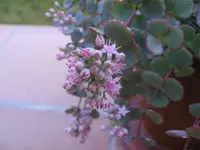
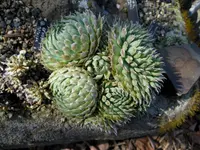
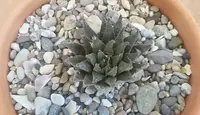
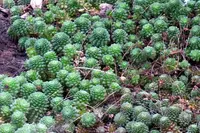
Monanthes pallens is a small succulent perennial from the Canary Islands, forming low cushions or mounds of tiny, bead-like leaves. Its stems branch densely, creating a compact, intricate mat that can spill slightly over the edges of a pot.

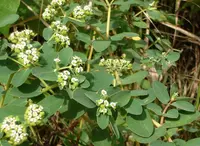
In the right conditions, it produces delicate star-shaped flowers on slender stalks above the foliage. This species prefers bright light, very free-draining, gritty soil, and careful, sparing watering.

Its slow, compact growth and drought tolerance make it suitable for windowsills and small container displays, though it dislikes prolonged cold and excess moisture. Understanding how to care for Monanthes pallens mainly involves controlling watering and avoiding waterlogged soil.

Main Plant Requirements

Care Difficulty

Moderate Care

Light Preference

Partial Sun

Water Requirements

Low Water

Temperature Preference

Tropical / Frost Sensitive

Hardiness Zone

10–11

Soil Texture

Sandy, Loamy, Rocky

Soil pH

Slightly acidic (6.5–7.0), Neutral (7.0)

Soil Drainage

Well-drained

Fertilization

Minimal (feed rarely)

Get Personalized Care Plan

Scan your plant to receive care tips personalized for your specific plant

Available on iOS and Android

How to Care for the Monanthes pallens

This compact succulent thrives in bright, cool conditions that mimic open, rocky habitats.

  • Provide 4–6 hours of bright light daily, with gentle morning sun and dappled or filtered light for the rest of the day.
  • Tolerates light partial shade, but very low light leads to stretched, weak stems and dull, sparse rosettes.
  • Avoid harsh summer afternoon sun, which can scorch leaves; in winter, move plants to the brightest spot available to maintain compact growth.

This species prefers thorough but infrequent watering that allows the roots to dry slightly between soakings.

  • Water only when the top 2–3 cm of soil are dry; in active growth this may be every 7–14 days, but intervals vary by climate and pot size.
  • In winter or cool, low-light periods, reduce watering sharply, allowing the mix to dry almost fully to prevent root rot.
  • Use sharply drained, gritty soil; signs of overwatering are mushy, translucent leaves, while deep wrinkling indicates prolonged drought stress.

This succulent favors mild conditions and is sensitive to both hard frost and prolonged extreme heat.

  • Aim for 60–75°F (16–24°C) for steady growth; brief swings outside this range are tolerated if soil stays well drained.
  • Protect from temperatures below 32°F (0°C), as frost can damage foliage and roots, especially in wet soil.
  • In hot spells above 85°F (29°C), give light shade, good airflow, and slightly longer dry periods between waterings to reduce stress on Monanthes pallens.

This succulent handles low household humidity well and rarely needs special moisture control.

  • Aim for 30–40% humidity, similar to a dry indoor room, rather than a humid environment.
  • Dry, heated air is usually tolerated, but extreme drafts from heaters can desiccate growing tips.
  • If leaves wrinkle and shrink despite correct watering, raise humidity slightly by grouping pots or placing a pebble tray nearby.

Soil for Monanthes pallens should be very fast-draining, lean, and airy to protect its fine roots from rot.

  • Use a gritty mix such as 50–60% cactus soil blended with coarse sand, pumice, or perlite for rapid drainage.
  • Ensure the texture stays loose and crumbly so water drains in seconds rather than pooling at the surface.
  • Target a slightly acidic to neutral pH around 6.0–7.0, which is typical of most commercial cactus mixes.
  • Avoid heavy, peat-dense or clay-based substrates that compact, hold water around the roots, and reduce aeration.

This species is well suited to container growing due to its compact, shallow-rooting habit.

  • Choose a broad, shallow pot that matches its mat-forming growth so the root zone dries evenly after watering.
  • Select unglazed terracotta if extra evaporation is needed, especially in cool or low-light positions.
  • Raise the pot slightly on feet or mesh so drainage holes stay clear and excess water escapes freely after each watering.

This small succulent has low nutrient demand, so use light feeding to support compact, healthy growth in Monanthes pallens.

  • Apply a balanced liquid succulent fertilizer at 1/4–1/2 strength every 4–6 weeks during spring–summer active growth.
  • Choose a low-nitrogen balanced NPK or cactus formula to avoid soft, stretched growth.
  • Skip feeding in fall–winter dormancy to prevent weak, elongated stems.
  • Use well-watered soil before fertilizing to reduce root burn risk.

Pruning needs are minimal and mainly focused on maintaining a neat, compact cushion of Monanthes pallens.

  • Carry out light pruning in late winter or early spring before strong new growth begins.
  • Pinch or clip back leggy, elongated shoots to maintain a dense, domed shape.
  • Remove dead, shriveled, or damaged rosettes with clean, sharp scissors or snips.
  • Discard pruned material rather than replanting if it looks diseased or rotten.

Slow-growing Monanthes pallens rarely needs frequent repotting, but occasional pot changes keep roots healthy.

  • Check every 2–3 years; repot when roots circle the pot, growth slows, or the plant lifts from the mix.
  • Repot in late winter–spring, using a shallow container with fresh, gritty, fast-draining succulent mix.
  • Gently loosen the root ball, trim dead roots, and avoid breaking healthy fine roots.
  • Water lightly after repotting, then let the plant settle in bright, indirect light for 7–10 days.

Propagation is commonly done from offsets or short stem cuttings taken from healthy Monanthes pallens clumps.

  • Take small rosettes with a bit of stem in spring–early summer when growth is strongest.
  • Allow cut surfaces to dry and callus for 1–2 days to reduce rot risk.
  • Place cuttings on or just in a barely moist, gritty mix under bright, indirect light.
  • Keep humidity low and watering sparse until new roots and firm growth are visible.

This succulent is not strongly frost hardy and benefits from simple winter precautions, especially in cold climates.

  • Avoid exposure below 30°F; in colder regions grow Monanthes pallens in containers for flexibility.
  • Move pots indoors or to a cool, bright, frost-free space before hard frosts arrive.
  • Reduce watering sharply in winter, keeping the mix almost dry to prevent rot.

Care Tips

Pot depth choice

Use a shallow, wide pot so the fine roots stay in the upper, fast-drying layer of the mix and the plant does not sit above a deep reservoir of wet soil that can cause rot.

Cluster separation

Periodically lift and gently divide congested rosettes, replanting offsets with a small root ball so air can move between clusters and the center of the mat does not stay damp and decay.

Rain protection

If grown outdoors, place the pot under a rain shelter or eave during prolonged wet, cool periods so the compact rosettes do not stay waterlogged and prone to fungal problems.

Targeted airflow

Provide gentle, indirect airflow from a small fan across the plant surface in still indoor spots to help excess moisture evaporate from between rosettes without chilling the plant.

Slow acclimation

When moving the plant between indoor and outdoor conditions, increase light and exposure time gradually over 7–10 days to avoid stress that can slow growth and undermine long-term Monanthes pallens care.

Common Pests and Diseases

Mealybugs

This pest feeds on succulent stems and leaf rosettes, sucking sap and causing stunting, yellowing, and distorted growth. Symptoms include white, cottony clusters in stem joints and among densely packed foliage.

Solution

Isolate the plant, then dab visible insects with cotton swabs dipped in 70% isopropyl alcohol and repeat weekly until no new clusters appear. For heavier infestations, rinse the plant gently with lukewarm water, allow it to dry, then apply a ready-to-use insecticidal soap or neem oil, making sure the soil dries well afterward to avoid excess moisture stress while caring for Monanthes pallens.

Aphids

These insects gather on tender new growth and flower stalks, extracting sap and secreting sticky honeydew that can lead to sooty mold. Symptoms include curled or misshapen tips and a shiny, sticky film on surfaces.

Solution

Rinse the plant under a gentle stream of water to dislodge aphids, protecting the soil from becoming waterlogged. Follow with spot treatment using insecticidal soap or neem oil, repeated every 5–7 days until no aphids remain, and avoid high-nitrogen fertilizer that promotes overly soft, susceptible growth.

Spider mites

This pest thrives in warm, dry conditions and can damage the tiny leaves, causing a dull, speckled appearance and fine webbing between rosettes. Symptoms include slow decline, leaf drop, and a dusty look to foliage.

Solution

Increase local humidity slightly around the plant without wetting the soil, then thoroughly mist and gently rinse foliage to remove mites and webbing. After drying, treat with a miticidal product labeled for houseplants or neem oil, repeating applications as needed while keeping the plant in bright light and good airflow.

Fungal leaf spots

This disease appears when dense rosettes stay wet for extended periods, especially in cool conditions. Symptoms include small brown or black spots on leaves that may expand and cause localized tissue collapse.

Solution

Remove affected leaves with sterile scissors and discard them, then improve airflow and avoid overhead watering so foliage dries quickly. Allow the soil surface to dry fully between waterings and, if spotting continues, apply a sulfur or copper-based fungicide labeled for succulents, following label directions closely.

Interesting Facts

Canary Islands specialist

This species is native to rocky slopes and cliffs of the western Canary Islands, where it grows in shallow, fast-draining volcanic soils exposed to strong sun and wind.

Miniature rosette mats

It forms dense cushions of small, bead-like leaf rosettes on creeping stems, an adaptation that helps reduce water loss and protect growing points in its arid island habitat.

Crassulacean acid metabolism

Like many Crassulaceae, it uses crassulacean acid metabolism (CAM), a photosynthetic pathway where stomata open mainly at night, reducing water loss and supporting growing Monanthes pallens in dry conditions.

FAQs about Monanthes pallens

Lack of blooms usually comes from insufficient light intensity, overly rich or frequently fertilized soil, or a pot that stays wet too long. Mild stress from brighter light and drier conditions often triggers flowering in this species.

Grow Healthy Plants with Botan Care

Keep your plants happy and healthy with plant identification, disease detection, and easy care guidance.

Botan plant care app — identify plants on mobile

Explore More Plants