spiny pennywort Care (Orostachys spinosa)

spiny pennywort

About spiny pennywort

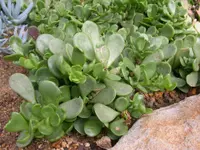
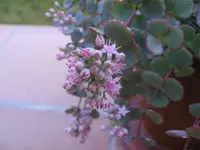
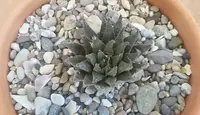
Spiny pennywort (Orostachys spinosa) is a small, cold-hardy succulent from rocky, dry regions of Central Asia. It forms tight, spiky rosettes that stay low to the ground. Mature plants often produce a single upright flower spike before the rosette dies back.

This species prefers bright light, well-drained sandy or gritty soil, and low to moderate moisture. Its drought tolerance and compact growth make it suitable for rock gardens, troughs, and containers.

Orostachys spinosa is generally considered a resilient plant, but it dislikes prolonged wet conditions and heavy, compacted soil. Understanding how to care for spiny pennywort focuses on keeping roots dry and providing strong light, especially in cooler climates.

Main Plant Requirements

Care Difficulty

Moderate Care

Light Preference

Full Sun

Water Requirements

Low Water

Temperature Preference

Cold Hardy

Hardiness Zone

4–8

Soil Texture

Sandy, Loamy, Rocky

Soil pH

Slightly acidic (6.5–7.0), Neutral (7.0)

Soil Drainage

Well-drained

Fertilization

Minimal (feed rarely)

Get Personalized Care Plan

Scan your plant to receive care tips personalized for your specific plant

Available on iOS and Android

How to Care for the spiny pennywort

This cold-hardy succulent prefers strong light and thrives in open, exposed sites.

  • Provide 6–8 hours of direct sun daily, ideally with morning and midday sun; in very hot, inland climates, give light afternoon shade to prevent leaf scorch.
  • In cooler or overcast regions, place spiny pennywort in the brightest, sunniest spot available to keep rosettes compact and prevent weak, stretched growth.
  • In winter, lower sun angles are usually safe even all day; remove shade structures or overhanging debris so plants continue to receive unfiltered light.

This species is highly drought-tolerant and prefers infrequent, deep watering.

  • Allow the soil to dry thoroughly between waterings; in typical sandy or gravelly beds, wait until the top 5–7 cm are completely dry before watering again.
  • During active growth in spring and early summer, water only when rosettes start to look slightly less plump; reduce watering to minimal or none in cool, dormant seasons.
  • Use sharply draining soil or a rocky slope so excess water runs off; soft, yellowing, or mushy leaves indicate overwatering, while shriveling, tightly curled leaves suggest prolonged drought.

This plant is adapted to continental climates with hot summers and very cold winters.

  • Optimal growing temperatures are around 60–80°F (16–27°C), though the plant remains stable outside this range if soil stays dry.
  • Orostachys spinosa is very cold-hardy and can tolerate drops near -20°F (-29°C) or lower when planted in well-drained ground, accepting deep winter freezes without protection.
  • In summer heat above 90°F (32°C), the rosettes cope well if roots are in cool, fast-draining soil; avoid heat plus trapped moisture, which increases rot risk, especially in compacted or waterlogged sites.

Humidity is rarely a concern for this drought-adapted succulent.

This species needs very fast-draining, mineral-rich soil to prevent root rot.

  • Use a gritty, sandy mix such as 50–70% mineral material (coarse sand, fine gravel, pumice, or perlite) blended with a low-organic cactus mix.
  • Aim for slightly alkaline to neutral pH around 7.0–8.0, similar to the rocky habitats of Orostachys spinosa.
  • Ensure the mix feels loose and crumbly; water should run through in seconds and not leave the surface glossy or muddy.
  • Avoid heavy garden loam, high-peat mixes, or any substrate that compacts or stays wet for more than 1 day.

This species is well suited to container growing outdoors in sunny, dry conditions.

  • Choose a broad, shallow pot to match the shallow root system and allow rosettes to spread without crowding the center.
  • Use a low, heavy container or add a top layer of grit to stabilize the plant against wind and toppling.
  • Select unglazed clay to let excess moisture evaporate faster, which keeps the root zone dry between infrequent waterings.

This drought-adapted succulent needs only light feeding to maintain compact, healthy rosettes.

  • Use a diluted balanced liquid fertilizer (around 10-10-10 or 20-20-20 at 1/4–1/2 strength) during active growth in spring–summer.
  • Apply once every 4–6 weeks for container plants; in the ground, feeding is usually unnecessary for spiny pennywort.
  • Avoid high-organic compost or heavy slow-release pellets that can hold excess moisture around roots.
  • Stop feeding in fall and winter when growth slows or the plant goes dormant.

Pruning needs for Orostachys spinosa are minimal and mainly cosmetic.

  • Best time to tidy is late winter to early spring, before strong new growth starts.
  • Remove dead, dried, or rotting rosettes and any flower stalks that have finished blooming.
  • Thin crowded offsets only if they trap moisture or reduce airflow, to limit rot risk.
  • Use clean, sharp scissors or snips and cut at the base of unwanted rosettes without disturbing healthy ones.

This species prefers stable conditions and only needs repotting or transplanting occasionally.

  • Look for roots circling the pot drainage holes, very fast drying soil, or stalled growth as cues to move it.
  • Plan repotting or garden transplanting for spring, when temperatures are mild and growth is about to resume.
  • Repot every 2–3 years into a shallow, wide container with very gritty, fast-draining mix.
  • Handle rosettes gently, keep roots mostly intact, water lightly after moving, and shade from intense sun for 3–5 days.

This succulent is most often multiplied by offsets, with seeds used mainly for larger-scale growing.

  • Separate offsets in late spring or early summer once they form small rooted rosettes around the parent.
  • Lift the clump gently, tease apart offsets with some roots attached, and replant in a gritty, well-drained mix.
  • Keep newly planted divisions in bright, indirect light with very light watering until roots re-establish.
  • Sow seeds on the surface of barely moist, sandy mix, keep bright and cool, and avoid covering them deeply.

Orostachys spinosa is cold hardy in many temperate climates and usually needs only simple winter precautions.

  • In the ground, ensure soil drains very well; excess winter moisture is more harmful than frost.
  • Apply a thin gravel or coarse sand mulch to keep rosettes off wet soil while avoiding heavy, soggy mulches.
  • For containers in very cold or wet regions, place pots under cover or in an unheated, bright shelter.
  • Avoid frequent winter watering; allow the mix to dry almost completely between light sips.

Care Tips

Winter moisture control

In late fall, move containers under an overhang or cold frame so winter moisture comes mostly as light snow rather than heavy rain, which greatly reduces crown rot risk in this alpine succulent.

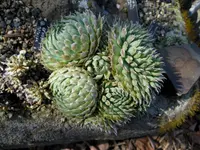
Grit top-dressing

After planting, add a 0.5–1 in layer of coarse grit or small gravel around the rosettes to keep leaf bases dry, limit soil splash, and discourage rot and moss growth at the crown.

Tight cluster management

Every 2–3 years, gently lift and thin crowded rosette clusters, replanting only the firm, well-rooted offsets so air can move between plants and fungal problems are less likely.

Rock crevice planting

Position plants in shallow rock crevices or between stones so roots stay cool and sharply drained while rosettes receive full light, which closely replicates their natural habitat and supports long-term vigor when growing spiny pennywort.

Flower stalk handling

When a rosette sends up a flower stalk, allow it to finish flowering and set some seed if desired, then remove the spent rosette and stalk cleanly to make space for younger offsets to fill the gap.

Common Pests and Diseases

Mealybugs

This pest feeds on succulent leaves and rosettes, often hiding in tight leaf clusters and at the base of the plant. Symptoms include white cottony patches, sticky honeydew, and gradual weakening of the rosette.

Solution

Isolate the plant, then dab visible insects with cotton swabs dipped in 70% isopropyl alcohol and repeat weekly until no new colonies appear. Improve light and airflow, avoid overfertilizing, and if needed use a mild, labeled insecticidal soap, taking care to rinse gently to avoid damaging the waxy leaf surface.

Aphids

These insects cluster on young rosettes and flower stalks, sucking sap and causing distortion, sticky residue, and potential sooty mold growth. Infestations are more common in sheltered, low-airflow rock gardens or container groupings.

Solution

Rinse colonies off with a firm but controlled stream of water, then use insecticidal soap or neem oil spray labeled for succulents, treating leaf undersides and flower stems. Support plant vigor by providing full sun and well-drained soil, which makes infestations less persistent when growing spiny pennywort outdoors or under bright lights.

Spider mites

This pest thrives in hot, very dry conditions and can damage compact rosettes, especially in containers. Symptoms include fine webbing between leaves, tiny pale speckling, and a dull, stressed appearance of the foliage.

Solution

Increase local humidity slightly around the plant without wetting the crown, and rinse the rosette carefully to remove webbing and mites. Follow with a targeted miticide or neem oil product labeled for spider mites, repeating applications as directed while maintaining strong light and good air circulation.

Fungal leaf spots

This disease appears when rosettes stay damp for long periods, particularly in cool or poorly ventilated conditions. Symptoms include small water-soaked spots that turn brown or black and may merge, causing local tissue collapse in the fleshy leaves.

Solution

Remove and discard affected leaves, keeping the crown as dry as possible and watering only at the soil level. Improve drainage and spacing, then apply a suitable fungicide labeled for leaf spot on ornamentals if new spots continue to form.

Crown rot

This disease develops when water accumulates around the tight rosette center, often combined with poorly drained soil. Symptoms include sudden collapse of the central rosette, mushy brown tissue at the base, and a foul smell from decaying plant material.

Solution

At early stages, cut away all soft, discolored tissue and allow remaining healthy offsets to dry before replanting in a sharply drained, gritty mix. Prevent recurrence by using raised rock pockets or fast-draining containers, watering sparingly, and avoiding overhead watering that leaves the rosette center wet for long periods.

Interesting Facts

Extreme cold tolerance

This alpine succulent survives winter temperatures well below freezing by forming tight, low rosettes that hug the ground and reduce exposure to cold air and drying winds.

Annual rosette lifecycle

Each rosette is monocarpic, meaning it flowers once and then dies, but it usually produces small offset rosettes around its base that continue the colony.

Spiny leaf adaptation

Its stiff, sharply pointed leaf tips act as a physical deterrent to grazing animals and also help shed excess surface water, reducing the risk of rot in its dry, rocky habitats.

Botan icon

Did you know?

In parts of Central Asia, dense mats of this species help stabilize shallow, stony slopes by binding loose gravel and fine soil with their fibrous root systems, subtly reducing erosion in harsh steppe and mountain environments.

FAQs about spiny pennywort

Flowering usually happens once the rosette is mature, often after several seasons. Lack of bloom is often due to a plant that is still too young, recent division or repotting, or stress from extreme heat, cold, or disturbance.

Grow Healthy Plants with Botan Care

Keep your plants happy and healthy with plant identification, disease detection, and easy care guidance.

Botan plant care app — identify plants on mobile

Explore More Plants