Drab Bonnet Care (Mycena aetites)

About Drab Bonnet

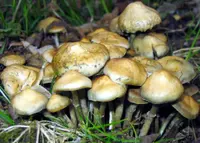
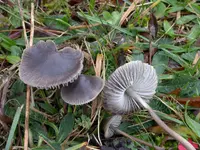
Drab bonnet, Mycena aetites, is a small saprotrophic mushroom that feeds on decaying organic matter rather than living roots or leaves. It is not a houseplant in the usual sense but sometimes interests terrarium or vivarium keepers. The fruiting bodies are slender, with a thin, gray‑brown cap and delicate stem, often appearing in loose groups.

In nature it occurs in temperate woodlands and grasslands, typically on rotting plant debris or rich leaf litter. It prefers cool, humid, shaded conditions and a consistently moist, organic substrate. Because it has specific fungal growth needs and relies on decomposing material, it is considered challenging for beginners who want to care for Drab Bonnet in controlled environments.

Main Plant Requirements

Care Difficulty

Hard Care

Light Preference

Shade

Water Requirements

Keep Soil Moist

Temperature Preference

Cool Climate

Hardiness Zone

Unknown

Soil Texture

Loamy, Peaty, Organic-rich

Soil pH

Acidic (5.5–6.5)

Soil Drainage

Moist but well-drained

Fertilization

Minimal (feed rarely)

Get Personalized Care Plan

Scan your plant to receive care tips personalized for your specific plant

Available on iOS and Android

How to Care for the Drab Bonnet

This small woodland fungus thrives in low, filtered light typical of shaded forest floors.

  • Provide deep to partial shade with dappled or filtered light, such as under deciduous trees receiving no more than 1–2 hours of weak morning sun.
  • Avoid direct midday or afternoon sun, which can dry leaf litter and substrate, quickly stressing Drab Bonnet fruiting bodies and reducing longevity.
  • In summer, prioritize dense canopy cover; in late autumn and winter, slightly more open light is acceptable as long as the substrate stays cool and moist.

This species depends on consistently moist, organic substrate rather than direct watering of the mushrooms themselves.

  • Maintain evenly moist, not waterlogged, leaf litter or decaying wood; the surface should feel damp to the touch but never soupy or stagnant.
  • Increase moisture support during warm, dry spells by ensuring surrounding soil and mulch do not fully dry out, while allowing any pooled water to drain away within a few hours.
  • Reduce added moisture in cool, wet seasons to prevent anaerobic conditions; signs of excess saturation include standing water, foul smells, and collapsing, slimy fruiting bodies.

This woodland saprobe develops best in cool to mild conditions typical of temperate forests.

  • Optimal fruiting occurs around 50–65°F (10–18°C), with mycelial growth tolerating roughly 41–70°F (5–21°C) in moist, shaded substrate.
  • Short exposures near 32°F (0°C) are usually tolerated in the soil or litter, but hard, prolonged frost can damage surface fruiting bodies.
  • Sustained heat above 77–80°F (25–27°C), especially with low humidity, tends to halt fruiting; deeper shade and thicker leaf litter help buffer temperature swings.

This wood-inhabiting fungus needs consistently moist, humid air to fruit well.

  • Aim for 70–90% humidity around the fruiting surface, mimicking damp forest conditions.
  • In dry indoor air, caps dry and crack, edges curl, and pins abort before maturing.
  • Increase humidity with a clear humidity tent, frequent fine misting of the substrate, or placing trays over damp perlite without letting water pool.

This species develops on decaying organic matter rather than conventional garden soil.

  • Use a loose, fine-textured substrate of well-rotted wood chips, leaf litter, and composted sawdust to mimic forest floor debris.
  • Ensure the substrate drains freely yet stays evenly moist, never waterlogged, by blending coarse wood chips with finer organic matter.
  • Keep pH near mildly acidic to neutral (pH 5.5–7.0), which suits most saprophytic fungi including Mycena aetites.
  • Avoid dense clay, sterilized potting mixes, or heavily fertilized soils, which reduce aeration and disrupt fungal colonization.

This small woodland fungus is generally unsuitable for conventional container growing.

This small woodland fungus usually does not need fertilization when grown on naturally rich, decaying organic matter.

Mycena aetites does not require structured pruning, since each mushroom is short-lived and emerges from underground mycelium.

Transplanting focuses on moving the substrate colonized by this fungus rather than handling individual mushrooms.

  • Shift colonized wood, leaf litter, or decaying substrate in cool, moist weather to reduce stress on the mycelium.
  • Move material gently as a block, keeping it intact so the fine mycelial network is not torn apart.
  • Place the transplanted substrate in a shaded, humid, woodland-like spot with similar moisture and organic content.
  • Avoid frequent disturbance; assess success by future fruiting rather than fast visible growth.

Propagation of Mycena aetites is specialized and usually handled by mycologists rather than home growers.

This woodland fungus is naturally cold hardy and does not need specific winter care from gardeners.

Care Tips

Sterilize Wood Substrate

Before inoculation, pressure-cook or oven-bake small hardwood chips or sawdust at 212°F/100°C for at least 60–90 minutes to reduce competing fungi and bacteria, which greatly improves colonization success when growing Drab Bonnet.

Use Fine Particle Mix

Choose a very fine, well-washed hardwood sawdust or decomposed leaf mold rather than coarse chips so the mycelium can bridge gaps quickly and form dense, even fruiting patches.

Control Air Exchange

Provide gentle but consistent fresh air exchange using loose-fitting lids, micropore tape, or mesh-covered vents to remove carbon dioxide buildup without exposing the culture to strong drafts that dry the substrate surface.

Encourage Microclimate Moisture

Lay a breathable plastic sheet or perforated humidity dome a few centimeters above the colonized substrate to trap a thin layer of moist air around forming caps while still allowing gas exchange.

Harvest At Prime Stage

Cut clusters at the base as soon as caps fully expand but before edges curl upward, which limits spore load in the growing space and directs the mycelium’s energy into producing new flushes rather than sustaining overmature fruitbodies.

Common Pests and Diseases

Fungal parasitism

This disease occurs when other fungi colonize the fruiting bodies, leading to distorted caps, discolored patches, or rapid collapse of the mushrooms. Symptoms include cottony overgrowth, odd textures, or mold-like coatings on caps and stems.

Solution

Remove and discard affected fruiting bodies promptly and avoid handling healthy specimens afterward with the same tools or gloves. Improve air movement around the colony, reduce overcrowding of organic debris, and avoid excessive surface moisture to limit opportunities for parasitic fungi to spread when growing Drab Bonnet in controlled conditions.

Mycophagous springtails

These insects feed on fungal tissues, sometimes grazing gills and young caps, which can lead to pitting, ragged edges, or aborted small mushrooms. This pest often appears where there is constantly moist leaf litter or substrate with abundant organic matter.

Solution

Lift and discard heavily infested, damaged clusters and reduce constant saturation of the substrate while keeping it slightly moist rather than wet. In containers or controlled culture, improve drainage, thin dense litter, and, if needed, use sticky traps nearby to monitor and reduce springtail numbers without directly treating the mushrooms.

Fungus gnat larvae

These insects develop in damp, organic-rich substrates and can tunnel through stems and bases of fruiting bodies, causing soft, waterlogged tissue and sudden collapse. This pest is most common where the substrate stays wet and undisturbed for long periods.

Solution

Allow the surface of the substrate to dry slightly between waterings in cultivation setups and remove heavily damaged mushrooms. Use fine-mesh covers, yellow sticky traps for adults, and avoid overwatering or standing water in trays to interrupt the life cycle and reduce new larval damage.

Interesting Facts

Saprobe on rich soils

This species typically fruits on nutrient-rich bare or sparsely vegetated soil, especially in gardens, lawns, and disturbed ground, where it helps decompose organic matter in the upper soil layer.

Small, drab fruitbodies

Its caps are usually only a few millimeters across, dull gray-brown and not glossy, which makes them easy to overlook compared to more colorful Mycena species and contributes to its common name drab bonnet.

Microscopic identification traits

Accurate identification often relies on microscopic features such as smooth, amyloid spores (staining blue-black in iodine-based reagents) and the absence of distinctive cystidia shapes that characterize some related species.

FAQs about Drab Bonnet

This small saprotrophic mushroom is generally considered inedible due to its tiny size, fragile texture, and lack of culinary value. It is not known as a choice edible and is best left for ecological observation rather than consumption.

Grow Healthy Plants with Botan Care

Keep your plants happy and healthy with plant identification, disease detection, and easy care guidance.

Botan plant care app — identify plants on mobile

Explore More Plants