Yellowleg Bonnet Care (Mycena epipterygia)

Yellowleg Bonnet

About Yellowleg Bonnet

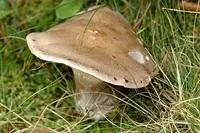
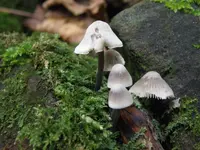
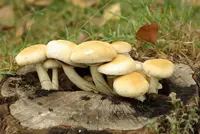
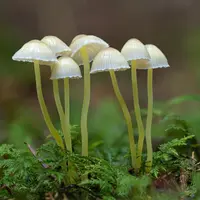
Yellowleg bonnet, Mycena epipterygia, is a small woodland mushroom rather than a typical houseplant. It produces delicate, bell-shaped caps on thin, often yellowish stems, usually in small clusters. The fruiting bodies appear mainly on decaying wood, leaf litter, or mossy ground in cool, damp forests. It is widespread across temperate regions, including parts of North America and Europe.

This species favors shaded, moist, nutrient-rich substrates and relies on decaying organic matter for growth. Because it requires specific forest-like humidity, temperature, and substrate conditions, it is not considered an easy species to cultivate at home, and attempts to care for Yellowleg Bonnet are mainly of interest to specialist mushroom growers.

Main Plant Requirements

Care Difficulty

Hard Care

Light Preference

Shade

Water Requirements

Keep Soil Moist

Temperature Preference

Cool Climate

Hardiness Zone

Unknown

Soil Texture

Loamy, Peaty, Organic-rich

Soil pH

Strongly acidic (4.5–5.5), Acidic (5.5–6.5)

Soil Drainage

Moist but well-drained

Fertilization

Minimal (feed rarely)

Get Personalized Care Plan

Scan your plant to receive care tips personalized for your specific plant

Available on iOS and Android

How to Care for the Yellowleg Bonnet

This small woodland fungus thrives in low, filtered forest light rather than direct sun.

  • Provide dappled or full shade with brief weak morning sun only; 0–2 hours of direct light per day is usually enough in its natural leaf-litter habitat.
  • Avoid strong midday or afternoon sun, which can dry the substrate and desiccate delicate Yellowleg Bonnet fruiting bodies.
  • In deciduous woods, it benefits from brighter but still filtered autumn light after leaf fall, while summer canopy shade prevents light stress.

Moist but well-drained substrate is essential for stable fruiting of this woodland fungus.

  • Keep the substrate consistently damp, not saturated; leaf litter or wood should feel moist to the touch without standing water or sour smell.
  • Allow only the upper layer of litter or soil (top 1–2 cm) to begin drying before rewetting, especially if cultivating Mycena epipterygia on rotting wood or mulch.
  • Reduce watering frequency in colder months when evaporation slows; signs of overwatering include persistent slime and foul odor, while shriveling caps suggest dryness.

This species prefers cool, moist conditions typical of temperate forests.

  • Optimal fruiting usually occurs around 45–60°F (7–16°C), often in autumn or mild winter periods with stable moisture levels.
  • It tolerates brief drops close to 32°F (0°C) but hard, prolonged frost can damage mycelium and prevent new mushroom formation.
  • Sustained heat above 70°F (21°C), especially with low humidity, slows growth and can dry the substrate, so shaded, cool microclimates are helpful in warmer seasons.

This woodland fungus requires consistently high humidity to fruit well.

  • Aim for 70–90% humidity, similar to a damp forest floor, especially during active fruiting.
  • Dry air causes caps to shrivel, stems to collapse, and pinheads to abort before maturing in Yellowleg Bonnet.
  • Increase humidity by maintaining a moist (not waterlogged) substrate, using a humidity tent or closed box with vents, and misting the air lightly rather than soaking the mushrooms.

This saprophytic fungus grows on decaying plant matter rather than true garden soil.

  • Provide a loose, sponge-like substrate made from well-rotted hardwood pieces, leaf litter, and decomposed conifer needles instead of mineral soil.
  • Ensure excess water drains freely; the substrate should stay evenly moist but never waterlogged or compacted.
  • Maintain a slightly acidic reaction around pH 5.0–6.5, similar to many forest floors where Mycena epipterygia naturally occurs.
  • Improve aeration by mixing in coarse wood chips or shredded bark so air can move between particles and mycelium does not suffocate.

This species is difficult but possible to keep in containers for short-term observation rather than long-term culture.

  • Use a shallow, wide container to spread the woody substrate thinly, which helps oxygen reach the developing mycelium and fruiting bodies.
  • Select a rigid plastic or glazed ceramic tub that slows surface drying while still allowing side ventilation holes above the substrate line.
  • Elevate the container on a mesh or slatted rack so air can circulate underneath, reducing stagnant moisture that encourages competing molds.

Mycena epipterygia, or Yellowleg Bonnet, is a woodland fungus that does not benefit from conventional fertilizing in cultivation.

Mycena epipterygia does not need true pruning, only minimal hygiene around the fruiting site.

This small saprotrophic fungus is seldom grown in pots, so focus on carefully transplanting colonized substrate rather than traditional repotting.

  • Move only when the mycelium has strongly colonized leaf litter or decaying wood, visible as white threads binding the substrate.
  • Transplant in cool, moist weather in fall or early spring to reduce drying and heat stress.
  • Lift and move chunks of substrate intact, disturbing the mycelium as little as possible.
  • Water gently after transplanting to settle the substrate, then maintain evenly moist, shaded woodland conditions.

Propagation of Mycena epipterygia is specialized and usually attempted only by experienced growers or researchers.

This species is naturally cold hardy in temperate climates and typically needs no special winter care in outdoor woodland settings.

Care Tips

Use Decayed Wood

For reliable fruiting, embed small pieces of well-rotted, unsprayed hardwood in the substrate so the mycelium can colonize a lignin-rich food source similar to its natural woodland habitat.

Leaf Litter Cap

Once the substrate is colonized, add a thin 0.5–1 in layer of clean, partially decomposed leaf litter on top to help retain surface moisture and provide a natural microhabitat for primordia formation.

Cool-Mist Scheduling

Run a cool-mist humidifier on a timer to create short, frequent humidity pulses that mimic damp forest air, rather than leaving it on constantly, which reduces fresh air exchange and can stall mushroom development.

Soft Perimeter Barrier

Place a low ring of soaked, clean sphagnum or coir around the growing zone to stabilize moisture at the edges and reduce drying, while keeping the central fruiting area free for undisturbed clusters.

Seasonal Fruiting Cycle

For more natural results when caring for Yellowleg Bonnet, allow the culture to rest drier and slightly warmer in summer, then reintroduce cooler, wetter conditions in fall to trigger more synchronized flushes.

Common Pests and Diseases

Fungus gnat larvae

This pest feeds on decaying organic matter and fine mycelium in very wet substrates, which can weaken small fruiting bodies and slow colony expansion. Symptoms include thinning, collapsed caps and visible tiny white larvae in the substrate or culture containers.

Solution

Reduce excess moisture by allowing the substrate surface to dry slightly between mistings, improve ventilation, and use fine mesh or fitted lids on culture containers to block adult gnats. Sticky traps near the setup help catch flying adults, and a Bacillus thuringiensis israelensis (BTi) product mixed into water can be used to target larvae without harming the fungus when applied according to label directions.

Mite infestations

These insects, often saprophytic or mycophagous mites, graze on mycelium and young fruiting bodies in cultures or very humid storage conditions. Symptoms include pitted caps, distorted or stunted mushrooms, and small moving specks on the substrate or container walls.

Solution

Quarantine any affected culture, lower humidity slightly while maintaining adequate moisture, and improve air exchange to make conditions less favorable for mites. Discard heavily infested substrates, clean surfaces and tools with hot soapy water or isopropyl alcohol, and use fine filters or tight-sealing lids to prevent new mite entry.

Competing mold contamination

This disease is caused by fast-growing molds such as Trichoderma or Penicillium that overrun Mycena mycelium in culture or on prepared substrates. Symptoms include patches of green, blue, or gray mold, a change in odor, and failure of Mycena epipterygia to fruit in the contaminated area.

Solution

Remove and discard contaminated substrates or plates promptly to prevent spore spread, then clean the growing area, tools, and containers thoroughly. For future batches, use properly sterilized or pasteurized substrates, maintain clean handling practices, and avoid excessive condensation that encourages mold germination.

Bacterial blotch

This disease develops in overly wet, stagnant air conditions and leads to slimy, water-soaked spots on caps and stems, sometimes with a sour or unpleasant odor. Symptoms include soft, translucent tissues that quickly collapse and contaminate nearby fruiting bodies.

Solution

Improve air circulation and reduce direct water sitting on caps by using finer misting and shorter watering intervals, allowing surfaces to dry slightly between sprays. Remove and discard affected fruiting bodies, sanitize nearby surfaces, and avoid handling the mushrooms with dirty or wet tools to limit bacterial spread.

Interesting Facts

Slender yellow stems

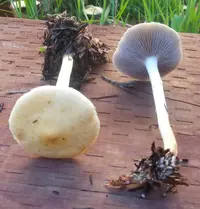
This species is easily recognized by its thin, often translucent yellow to yellow-green stipe, which contrasts with its more subdued, grayish to brownish cap. The stem surface can be slightly viscid, meaning slimy to the touch when wet due to a gelatinous outer layer.

Cap with a slimy coat

The cap is covered by a distinct gelatinous layer that makes it noticeably sticky in moist weather, a feature used in field identification. As the cap dries, this layer becomes less obvious, which can make older fruiting bodies harder to recognize.

Wide but patchy distribution

This fungus occurs across much of temperate Europe, North America, and parts of Asia, yet it is usually found only in scattered, small groups. It typically fruits among mosses in coniferous or mixed forests, helping decompose fine plant litter on the forest floor.

Botan icon

Did you know?

Fruiting bodies of this species can appear in every season, including mild winter periods, making it one of the few small woodland mushrooms that can be encountered year-round in suitable temperate habitats.

FAQs about Yellowleg Bonnet

This small woodland mushroom is generally considered inedible. Caps are thin, insubstantial, and easily waterlogged, offering no culinary value. Identification is also difficult, and confusing it with toxic look-alikes is a real risk.

Grow Healthy Plants with Botan Care

Keep your plants happy and healthy with plant identification, disease detection, and easy care guidance.

Botan plant care app — identify plants on mobile

Explore More Plants