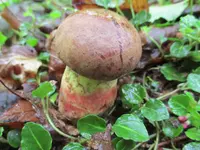
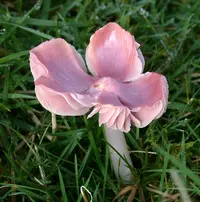
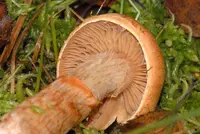
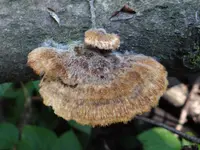
Iodine Bonnet Care (Mycena filopes)

Iodine Bonnet

About Iodine Bonnet

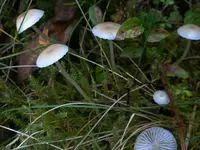
Iodine bonnet (Mycena filopes) is a small, delicate woodland mushroom, not a typical houseplant. It forms slender stems with tiny bell-shaped caps in soft gray-brown tones. When crushed, it often releases a faint iodine-like odor, which gives this fungus its common name.

This species usually appears on leaf litter, twigs, or decaying plant debris in moist forests and shaded grassy areas, mainly in temperate regions. It is not commonly cultivated, so learning how to care for Iodine Bonnet focuses more on understanding its natural habitat than on active gardening.

Mycena filopes thrives in cool, damp, shaded conditions with abundant organic matter and stable moisture, which can be difficult to reproduce in a typical garden or indoor setting.

Main Plant Requirements

Care Difficulty

Hard Care

Light Preference

Shade

Water Requirements

Keep Soil Moist

Temperature Preference

Cool Climate

Hardiness Zone

Unknown

Soil Texture

Loamy, Silty, Organic-rich

Soil pH

Strongly acidic (4.5–5.5), Acidic (5.5–6.5)

Soil Drainage

Moist but well-drained

Fertilization

Minimal (feed rarely)

Get Personalized Care Plan

Scan your plant to receive care tips personalized for your specific plant

Available on iOS and Android

How to Care for the Iodine Bonnet

Mycena filopes is a small woodland mushroom that thrives in cool, shaded forest light rather than direct sun.

  • Provide full shade to deep dappled shade, similar to a closed woodland canopy, with only 0–2 hours of weak, filtered sun per day.
  • Avoid direct midday or afternoon sun, which dries leaf litter quickly and can halt fruiting of the Iodine Bonnet by desiccating the substrate.
  • In summer, choose north- or east-facing, tree-covered sites; in winter, slight extra ambient light is acceptable as long as the substrate stays moist.

This fungus depends on consistently moist, not waterlogged, decaying leaf litter or woody debris.

  • Maintain substrate moisture so it feels evenly damp at 1–3 cm depth; never allow the litter layer to dry out completely between natural rains or misting.
  • Ensure excellent drainage under the litter or wood; standing water or anaerobic, sour-smelling patches indicate overwatering and can suppress Mycena filopes.
  • In warm, windy, or drought periods, check moisture daily; pale, shriveled caps signal drying, while slimy, collapsing caps often point to excessive saturation.

This species prefers cool, moist conditions typical of temperate forests.

  • Optimal fruiting usually occurs around 50–65°F (10–18°C), with mycelium growth possible in a slightly wider band of cool temperatures.
  • It tolerates short dips near 32°F (0°C), but repeated hard frosts below 28°F (-2°C) can damage fruiting bodies, which are delicate.
  • Sustained heat above 75–80°F (24–27°C), especially combined with dry air, quickly halts fruiting; shaded, humid microclimates reduce heat stress.

This woodland mushroom needs consistently high humidity to fruit well in cultivation.

  • Aim for 70–90% humidity, mimicking damp leaf litter conditions in shaded forest.
  • Dry air causes caps to shrivel, stems to collapse, and pinheads to abort before opening.
  • Increase humidity with a closed terrarium-style box, moist leaf litter, and frequent fine misting without leaving standing water on Iodine Bonnet.

Mycena filopes grows best on moist, decaying organic matter rather than traditional garden soil.

  • Use a loose, fibrous substrate of shredded hardwood leaves, well-rotted wood chips, and a small amount of finished compost.
  • Ensure the substrate drains freely yet stays evenly moist; excess water should run off, not pool at the bottom.
  • Keep pH slightly acidic to neutral, roughly 5.5–7.0, which matches typical deciduous forest litter conditions.
  • Avoid dense mineral soil, high-salt fertilizers, and compacted mixes that restrict air flow and slow fungal colonization.

This species is only moderately suitable for container growing because it prefers natural woodland substrates.

  • Choose a shallow, wide container so the substrate layer mimics a thin forest litter mat rather than deep soil.
  • Use a rigid plastic or glazed ceramic container to help maintain stable moisture without rapid edge drying.
  • Drill or confirm small but multiple drainage holes so the base stays moist yet prevents water from pooling and souring the substrate.

Mycena filopes is a saprophytic fungus that gains nutrients from decaying organic matter and generally does not need additional fertilizer in cultivation or observation setups.

Mycena filopes does not require intentional pruning, since each mushroom is short-lived and naturally decomposes after spore release.

In cultivation trays or observation boxes, Mycena filopes relies on a stable, moist substrate rather than frequent repotting or transplanting.

  • Refresh or replace the decaying wood or leaf-litter substrate once it becomes compacted, moldy with competitors, or stops producing fruiting bodies.
  • Plan any tray or box renewal for cool, moist seasons, mirroring the fungus’s natural fruiting conditions in the wild.
  • When moving colonized substrate, transfer it in large, intact sections to avoid breaking up the fine mycelial network.
  • Keep the new container or bed evenly moist and shaded for 1–2 weeks after transfer to limit mycelium stress.

Propagation of Mycena filopes is specialized and rarely attempted by home growers, since it depends on controlled spore germination and substrate colonization.

In naturalized outdoor settings, Iodine Bonnet generally needs no specific winter care, as the mycelium persists quietly in cool, moist substrates.

Care Tips

Sterile substrate prep

Before inoculation, pressure-cook or oven-sterilize your chosen wood-based substrate and containers to reduce competing fungi and bacteria that can easily outgrow this delicate species.

Use breathable containers

Fruit the fungus in containers with fine micropore tape or filtered lids so that fresh air exchange is possible without exposing the culture to large dust particles and spores that cause contamination.

Cool night fluctuation

Provide a small nightly temperature drop of about 5–10°F in the fruiting area to better mimic forest conditions and encourage more stable, natural-looking fruiting bodies.

Gentle surface hydration

Instead of heavy watering, mist the substrate surface lightly from a distance 1–2 times per day so caps and stems do not collapse under water droplets and the mycelium stays evenly moist.

Short flush rotation

After a flush finishes, promptly remove spent mushrooms and any decaying tissue, then rest the culture slightly drier for a few days before rehydrating to help reset the substrate and support healthier subsequent flushes when growing Iodine Bonnet.

Common Pests and Diseases

Fungus gnats

This pest is attracted to persistently wet, organic-rich substrates where the fine mycelium and mushroom bases provide food for larvae. Symptoms include tiny black flies around trays, larvae in the substrate, and grazing damage on young pinheads and fine mycelial threads.

Solution

Allow the surface of the substrate to dry slightly between waterings, improve drainage, and use fine mesh or covers to reduce adult access. Yellow sticky traps help capture adults, and a biological control such as Bacillus thuringiensis israelensis (Bti) in water can reduce larvae without harming the fungal culture.

Mite infestation

This pest includes various tiny soil and mushroom-associated mites that feed on mycelium and developing caps. Symptoms include slow or patchy colonization, deformed fruiting bodies, and fine specks moving on the substrate surface or around the stem bases.

Solution

Remove heavily infested substrate portions, reduce excess moisture, and keep the growing area clean and screened from outdoor debris. For persistent issues, use predatory mites specific to fungus-feeding species and rotate culture containers to fresh, mite-free substrate while discarding contaminated material.

Bacterial blotch

This disease appears in humid, stagnant conditions on moist caps and stems, especially where water droplets sit for long periods. Symptoms include small greasy or water-soaked spots on caps, sometimes developing into discolored patches and soft areas.

Solution

Increase air movement, avoid overhead misting that leaves standing water on fruiting bodies, and reduce humidity slightly while maintaining overall moisture in the substrate. Remove and discard affected mushrooms promptly and disinfect tools and containers between cycles to lower bacterial load.

Green mold contamination

This disease is caused mainly by Trichoderma and similar molds that colonize the same woody or leaf litter substrates. Symptoms include fast-spreading green patches on the surface, stalling of the Mycena mycelium, and failure or reduction of fruiting.

Solution

Physically cut out or discard contaminated sections early, and if contamination is extensive, discard the entire substrate to prevent spores from spreading. Use well-pasteurized or freshly prepared substrate, maintain good air exchange, avoid overwatering, and separate new cultures from older, contaminated setups to improve long-term Mycena filopes care.

Interesting Facts

Slender, iodine-scented caps

The fruiting bodies are very small with pale, slender caps and stems that release a distinct medicinal or iodine-like odor when crushed, a feature that helps separate it from many visually similar Mycena species.

Specialist of wet wood

This species typically fruits on very wet, decaying wood or strongly waterlogged plant remains in forests and boggy areas, playing a role as a saprotroph that breaks down lignin-rich substrates.

Microscopic identification needed

Although it has a characteristic odor, M. filopes is notoriously difficult to distinguish from related greyish Mycena species in the field and usually requires microscopic examination of spores and cystidia for reliable identification.

FAQs about Iodine Bonnet

Yes, it can be cultivated in shallow, well-drained containers filled with moisture-retentive, woody substrate such as decayed hardwood chips. Containers should be kept cool, shaded, and consistently moist. Use fresh, uncontaminated material to reduce competing fungi.

Grow Healthy Plants with Botan Care

Keep your plants happy and healthy with plant identification, disease detection, and easy care guidance.

Botan plant care app — identify plants on mobile

Explore More Plants