Pink Waxcap Care (Porpolomopsis calyptriformis)

Pink Waxcap

About Pink Waxcap

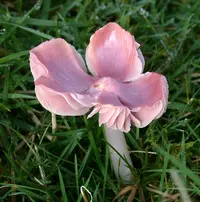
Pink waxcap, Porpolomopsis calyptriformis, is a small grassland fungus rather than a true plant, valued for its delicate appearance in natural lawns and meadows. It produces neat, conical to bell-shaped caps in soft pink tones on slender, pale stems.

This species occurs mainly in unimproved, low-nutrient grasslands across parts of Europe and has become an indicator of old, undisturbed turf. It is considered challenging to cultivate because it relies on complex soil communities and specific grassland conditions. Gardeners who want to learn how to care for Pink Waxcap usually focus on preserving or mimicking traditional, low-input meadow management rather than growing it in pots.

Main Plant Requirements

Care Difficulty

Hard Care

Light Preference

Partial Shade

Water Requirements

Keep Soil Moist

Temperature Preference

Cool Climate

Hardiness Zone

6–9

Soil Texture

Loamy, Silty, Organic-rich

Soil pH

Strongly acidic (4.5–5.5), Acidic (5.5–6.5)

Soil Drainage

Moist but well-drained

Fertilization

Minimal (feed rarely)

Get Personalized Care Plan

Scan your plant to receive care tips personalized for your specific plant

Available on iOS and Android

How to Care for the Pink Waxcap

This grassland fungus prefers cool, gentle light that mimics open, unimproved meadows.

  • Provide bright, indirect light or very light dappled shade, with no more than 2–4 hours of weak morning sun and full protection from intense midday and afternoon sun.
  • Site Pink Waxcap where taller grasses or low shrubs cast light, moving shade, preventing caps from drying or bleaching in strong sun.
  • In late summer and autumn, ensure the site is not deeply shaded; excessive shade reduces fruiting, while full, exposed sun can desiccate the soil surface.

This species depends on consistently moist, well-drained grassland soil rather than frequent direct watering.

  • Aim for soil that stays evenly moist in the top 3–5 cm, never waterlogged; free-draining, low-fertility turf or meadow soil is essential for healthy mycelium.
  • Use weather and soil feel as guides: after dry spells or hot winds, water the area thoroughly, then allow excess to drain completely before checking moisture again.
  • Watch for signs of imbalance: standing water, sour odors, or moss dominance suggest overwatering, while cracked soil and slow or absent fruiting indicate the habitat is too dry for Porpolomopsis calyptriformis.

This fungus is adapted to cool, temperate climates and fruits best in mild autumn conditions.

  • Optimal fruiting occurs around 50–60°F (10–15°C), with the underground mycelium active across a broader range of roughly 40–68°F (4–20°C).
  • The organism tolerates brief drops near 32°F (0°C), but repeated hard frosts below 28°F (-2°C) can shorten the life of fruiting bodies at the surface.
  • Sustained heat above 77°F (25°C), especially with dry soil, suppresses fruiting; maintain a cool, moist meadow environment and expect most visible growth in cooler seasons.

Humidity plays only a minor role for Porpolomopsis calyptriformis, which is adapted to naturally moist grassland air.

  • Aim for ambient outdoor humidity around 60–80% by siting the fungus in a sheltered, not wind-exposed, spot.
  • It tolerates short dry spells but prolonged very dry air plus dry soil causes caps to shrivel and fruiting to stop.
  • In unusually dry weather, lightly mist surrounding vegetation or nearby soil rather than the caps to increase local humidity.

Porpolomopsis calyptriformis needs moist, aerated turf-like conditions rather than standard potting substrates.

  • Use a fine-textured, humus-rich, sandy loam with plenty of decayed grass roots to mimic unimproved pasture.
  • Ensure very free drainage so water moves through quickly but soil remains evenly moist, never waterlogged or compacted.
  • Keep pH slightly acidic to neutral, roughly 5.5–7.0, as strongly alkaline or heavily limed soils reduce fruiting.
  • Improve aeration and structure by mixing in sharp sand and well-rotted leaf mold, while avoiding fertilizers and high-manure composts.

This species is generally unsuitable for conventional container growing because it depends on stable grassland soil and turf ecosystems.

This grassland fungus relies mainly on low-nutrient soils and usually does not need additional fertilizer.

Porpolomopsis calyptriformis does not require structured pruning, only simple hygiene.

  • Inspect fruiting areas after mushrooms collapse and remove decayed caps if they attract pests.
  • Avoid cutting or scalping the host grass too short, which can reduce future fruiting bodies.
  • Use clean hands or a soft brush to lift spent mushrooms rather than raking aggressively.

This species is almost never grown in containers and is best left undisturbed in stable grassland soil.

  • Transplant only if habitat is being destroyed and local regulations allow relocation.
  • Choose a cool, moist season, moving intact turves that contain both soil and associated grasses.
  • Keep soil structure intact, disturbing the root and fungal network as little as possible.
  • After transplanting, water gently to settle soil, then allow the site to return to its natural moisture cycle.

Porpolomopsis calyptriformis propagation is specialized and rarely successful for home growers.

This fungus is cold hardy in its natural range and needs no special winter care once established in suitable grassland.

Care Tips

Mimic grazed turf

Maintain a very short, open sward by mowing or strimming surrounding grass in late summer, then removing all clippings so the fruiting bodies can emerge through low, nutrient-poor turf in autumn.

Strict nutrient control

Avoid all fertilizers, lawn feeds, and compost topdressings in the area, and if the site has been enriched in the past, lightly scarify and remove thatch over several seasons to gradually reduce soil nutrients that can suppress fruiting.

Gentle foot traffic

Allow light, occasional foot traffic over the site outside the fruiting period to help keep the sward open and compacted without churning or damaging the soil surface.

Seasonal moisture checks

From late summer to late autumn, check soil moisture at finger depth and, only in prolonged drought, apply a very light, infrequent watering in the early morning to prevent complete desiccation of the mycelium while still keeping conditions on the dry side.

Protect fruiting bodies

During peak fruiting, mark and temporarily fence or flag the patch so mowers, pets, and people do not disturb the mushrooms, which helps both spore release and long-term success when growing Pink Waxcap in managed grassland.

Common Pests and Diseases

Slug grazing

This pest feeds on the fruiting bodies, stripping the pink caps and gills and leaving ragged edges or missing sections. Symptoms include slime trails on or near the mushrooms and rapid loss of tissue, especially in damp conditions.

Solution

Hand-pick slugs during cool, damp periods, use beer traps or iron-phosphate slug pellets placed away from sensitive wildlife, and reduce dense groundcover that shelters them while still keeping soil moist. Where possible, encourage natural predators such as ground beetles by minimizing broad-spectrum chemical use in the surrounding area.

Fungus gnat larvae

These insects live in moist soil and moss and can burrow into developing fruiting bodies, causing distorted or prematurely collapsing caps. Symptoms include small holes, internal tunneling, and soft, decaying tissue at the base of the mushrooms.

Solution

Allow the upper soil or moss layer to dry slightly between waterings in managed habitats, use yellow sticky traps to monitor adult gnats, and, if needed, apply a biological control containing Bacillus thuringiensis israelensis (BTI) to the substrate to reduce larval populations without harming the fungus itself.

Mold overgrowth

This disease appears as fast-spreading white, gray, or green mold that colonizes the same microhabitat and can overrun emerging fruiting bodies. Symptoms include fuzzy patches on caps, stems, or surrounding litter and rapid collapse or discoloration of mushrooms.

Solution

Improve air movement around the colony, reduce excessive overhead watering, and carefully remove heavily mold-covered litter and spent fruiting bodies. In small, managed displays, adjust irrigation timing and density of surrounding vegetation to keep the substrate moist but not stagnant, which supports Porpolomopsis calyptriformis care while limiting aggressive competitor molds.

Interesting Facts

Unusual cap shape

This species has a distinct, sharply conical, mitre- or pagoda-shaped cap with a pointed tip, unlike the more typical flat or bell-shaped caps of many waxcap fungi. The cap often shows deep grooves or folds that emphasize this striking profile.

Indicator of ancient grassland

In Europe, this fungus is strongly associated with long-unimproved, low-nutrient grasslands and is used as an indicator species for species-rich, traditionally managed meadows and pastures. Its presence can signal long-term continuity of low-intensity land use.

Conservation concern in Europe

This waxcap is considered of conservation concern in several European countries because of habitat loss due to agricultural intensification, fertiliser use, and conversion of old grasslands. It appears on regional or national red lists, reflecting declining populations linked to disappearing waxcap grassland habitats.

Botan icon

Did you know?

Unlike many gilled mushrooms, this species belongs to a group of grassland waxcap fungi that are now understood, through DNA-based studies, to form complex ecological relationships in soil rather than behaving as classic wood-decaying or strictly mycorrhizal fungi, making their exact trophic role an active area of mycological research.

FAQs about Pink Waxcap

This mushroom is generally considered inedible or of very poor culinary value. It is not known to be dangerously toxic, but identification errors with look-alike species are common, so it is safest not to eat it.

Grow Healthy Plants with Botan Care

Keep your plants happy and healthy with plant identification, disease detection, and easy care guidance.

Botan plant care app — identify plants on mobile

Explore More Plants