Stereum lobatum Care

Stereum lobatum

About Stereum lobatum

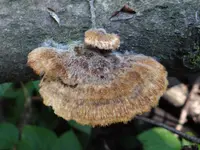
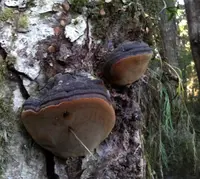
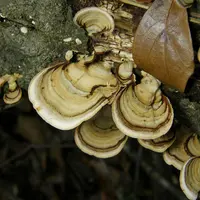
Stereum lobatum is a crust-like wood-decay fungus, not a typical leafy plant. It forms thin, layered brackets that tightly hug dead or dying hardwood, often in overlapping shelves. The upper surface shows zones of yellow, orange, and brown, while the underside is smooth and lighter.

This species is widespread in temperate regions and is commonly found on fallen branches, logs, and stumps in woodlands and parks. It plays an important role in breaking down dead wood. Because it is a saprophyte, thriving on already dead material, gardeners do not usually try to care for Stereum lobatum or manage it like an ornamental plant.

In nature it prefers moist, shaded sites with decaying wood rather than soil, and it does not adapt well to typical indoor or garden cultivation.

Main Plant Requirements

Care Difficulty

Moderate Care

Light Preference

Partial Shade

Water Requirements

Regular Water

Temperature Preference

Cool Climate

Hardiness Zone

Unknown

Soil Texture

Loamy, Organic-rich

Soil pH

Acidic (5.5–6.5)

Soil Drainage

Moist but well-drained

Fertilization

Minimal (feed rarely)

Get Personalized Care Plan

Scan your plant to receive care tips personalized for your specific plant

Available on iOS and Android

How to Care for the Stereum lobatum

This bracket fungus prefers dappled woodland light rather than direct, open sun.

  • Provide bright, filtered light with 2–4 hours of soft morning sun and shade the rest of the day, especially in exposed sites.
  • Allow partial to deep shade; Stereum lobatum typically fruits on shaded, decaying wood under tree canopies where light is indirect.
  • Limit strong midday and afternoon sun in summer to prevent drying of the substrate; in winter, slightly more exposure is acceptable if humidity stays high.

Moist, but not waterlogged, wood is essential for this fungus to colonize and fruit well.

  • Aim for consistently damp substrate; decaying logs or branches should feel moist 1–2 cm below the surface without standing water or a sour smell.
  • Increase moisture input in warm, dry periods by misting or gently hosing surrounding leaf litter so it stays evenly damp, not dripping.
  • Reduce added moisture in cool, wet seasons to avoid anaerobic conditions; black, slimy wood and foul odor indicate overwatering, while brittle, cracking wood signals underwatering.

This species is adapted to cool to mild woodland conditions and tolerates a broad outdoor temperature range.

  • Optimal growth and fruiting usually occur around 50–70°F (10–21°C), especially in moist, shaded forest environments.
  • Wood colonization can persist roughly from 32–80°F (0–27°C), but activity slows near the lower and upper ends of this range.
  • Short light frosts below 32°F (0°C) are generally tolerated on established colonies, but prolonged hard freezes or extended heat above 85°F (29°C) can dry and damage fruiting bodies.

Humidity is not a major factor for Stereum lobatum, which naturally grows on outdoor wood in variable air moisture.

This wood-decay fungus does not root in soil but colonizes dead or dying wood, so the key substrate properties differ from typical potting soil.

  • Use well-decayed hardwood logs or branches with a firm but slightly soft texture rather than fresh or highly resinous wood.
  • Keep the wood evenly moist but never submerged, allowing water to drain or evaporate so the surface is damp, not saturated.
  • Avoid chemically treated, painted, or pressure-treated wood, since preservatives can inhibit fungal growth or kill the mycelium.
  • To improve aeration, raise logs slightly off the ground on bricks or a grill so air can move around and excess water can drain away.

This species is not suitable for conventional container growing, as it requires colonizable wood rather than potting medium.

This wood-decay fungus naturally grows on nutrient-rich dead hardwood and does not require intentional fertilization in cultivation.

Pruning is not relevant for Stereum lobatum because it is a bracket fungus, not a typical garden plant with stems or foliage to shape.

This species is a wood-inhabiting fungus, so repotting or conventional transplanting is not applicable.

  • If grown for study, establish it on fresh, untreated hardwood logs or sterilized wood blocks rather than in potting soil.
  • Introduce spawn or colonized dowels into drilled holes in the log, then seal holes with wax to limit contamination and moisture loss.
  • Maintain shaded, consistently moist conditions around the wood substrate to reduce colonization stress and drying.
  • Replace or add new wood once the existing substrate becomes heavily decomposed and fruiting declines.

Propagation of this fungus is specialized and usually handled in research or advanced cultivation settings rather than home culture.

No specific winter care is needed outdoors because this wood-decay fungus is naturally cold hardy in temperate climates.

Care Tips

Select Suitable Wood

Use fresh, disease-free hardwood logs or branches with intact bark, as this species colonizes best on solid, undecayed wood rather than soft, crumbly material.

Avoid Chemical Residues

Do not place colonized wood where it may contact pressure-treated lumber, painted surfaces, or pesticide runoff, since chemical residues can suppress fungal growth or distort fruiting bodies.

Stabilize Mounting Position

Secure logs or branches in a stable, horizontal or slightly angled position so the bracket-like fruiting bodies can form evenly and are not broken off by movement or rolling.

Maintain Bark Integrity

Handle inoculated or already colonized wood gently and avoid stripping or gouging the bark, because this fungus fruits most reliably from wood with continuous, undamaged bark.

Use Shaded Airflow

Place the substrate in dappled shade with open airflow, for example against a north-facing fence with space behind it, to discourage mold overgrowth while still preventing direct drying sun on the wood surface when growing Stereum lobatum.

Common Pests and Diseases

White rot decay

This disease causes a progressive white, fibrous decay of the wood that Stereum lobatum colonizes, breaking down lignin and leaving a pale, stringy substrate. Symptoms include softening of the log or branch and a bleached, spongy interior under the fruiting crusts.

Solution

Management focuses on wood handling: remove and dispose of heavily decayed structural wood from fences, garden timbers, or living trees if integrity is compromised, and avoid using already-infected logs for structural or decorative purposes. For landscape trees, have an arborist assess safety, prune out severely decayed limbs, and reduce moisture retention against wood by improving airflow and avoiding prolonged direct soil contact.

Secondary wood-boring insects

These insects sometimes exploit the softened, decayed wood where Stereum lobatum is established, creating tunnels and galleries in already weakened branches or logs. Symptoms include small round exit holes, frass (fine sawdust), and further structural weakening of the wood.

Solution

Remove and destroy heavily infested and decayed wood to break the life cycle of the borers and reduce habitat. For valuable trees or structural timbers, consult an arborist or structural specialist, improve sanitation by promptly clearing deadwood, and reduce long-term moisture on wood surfaces to make conditions less favorable for both decay fungi and secondary borers.

Interesting Facts

Bracket layering pattern

This fungus forms thin, overlapping brackets with distinct, lobed margins that create a banded pattern of yellow, orange, and brown zones as each new growth flush adds a fresh colored layer.

Crumbling crust texture

When dry, its fruiting bodies are tough and crustlike, but they become more flexible and slightly rubbery when moistened, a reversible change that helps the fungus tolerate repeated wetting and drying on exposed wood surfaces.

Specialized wood decomposer

It is a saprotrophic species that specializes in dead hardwoods, breaking down lignin and cellulose and contributing to the slow formation of humus in forest ecosystems rather than attacking healthy, living trees.

FAQs about Stereum lobatum

This bracket fungus is generally considered inedible due to its tough, leathery texture and lack of culinary value. It is not known to be dangerously toxic, but it should not be collected or eaten as food.

Grow Healthy Plants with Botan Care

Keep your plants happy and healthy with plant identification, disease detection, and easy care guidance.

Botan plant care app — identify plants on mobile

Explore More Plants