Milking Bonnet Care (Mycena galopus)

Milking Bonnet

About Milking Bonnet

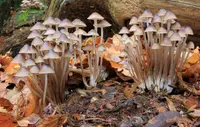
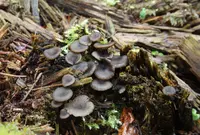
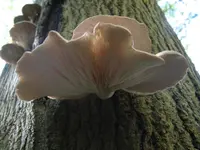
Milking bonnet (Mycena galopus) is a small woodland mushroom, not a true houseplant. It produces slender, fragile stems with pale bell-shaped caps and exudes a white, milk-like latex when damaged. Caps are usually grayish to brown and often appear in groups on decaying leaf litter or rotting wood.

This fungus is native to and widespread across temperate forests in Europe and North America, where it helps break down organic matter. It is not recommended to care for Milking Bonnet indoors, as it depends on complex forest soil conditions and natural decay processes. In nature it prefers cool, shaded, consistently moist habitats with abundant leaf litter.

Main Plant Requirements

Care Difficulty

Hard Care

Light Preference

Shade

Water Requirements

Keep Soil Moist

Temperature Preference

Cool Climate

Hardiness Zone

Unknown

Soil Texture

Loamy, Silty, Organic-rich

Soil pH

Strongly acidic (4.5–5.5), Acidic (5.5–6.5)

Soil Drainage

Moist but well-drained

Fertilization

Minimal (feed rarely)

Get Personalized Care Plan

Scan your plant to receive care tips personalized for your specific plant

Available on iOS and Android

How to Care for the Milking Bonnet

This small woodland fungus prefers dim, forest-like light conditions rather than direct sun exposure.

  • Provide deep to partial shade, ideally under tree canopies with dappled light for 1–3 hours of weak morning sun only.
  • Avoid strong midday or afternoon sun, which can dry leaf litter quickly and damage the delicate fruiting bodies of Milking Bonnet.
  • In summer, ensure thicker leaf litter or denser shade; in late autumn, brief, low-angle sun is usually safe if the substrate stays moist.

This species depends on consistently moist, but not waterlogged, woodland litter to fruit well.

  • Maintain evenly moist leaf litter or decaying wood; if the top 1–2 cm feel dry and crumbly, recent rainfall or supplemental moisture is needed.
  • Avoid standing water and soggy, compacted soil, which reduce oxygen and can disrupt the fungal mycelium; gentle, fine-spray watering is preferable if adding water.
  • During hot or windy periods, monitor more often for drying edges and shrinking caps, while in cool, wet seasons rely mostly on natural rainfall.

This fungus is adapted to cool, humid woodland climates and fruits best in mild conditions.

  • Optimal fruiting typically occurs around 50–65°F (10–18°C), especially in moist, shaded forests with stable humidity.
  • Mycena galopus can tolerate down to about 32°F (0°C) for short periods, but hard, prolonged frost reduces fruiting and can damage exposed caps.
  • Sustained heat above 77°F (25°C), especially with dry air, shortens mushroom lifespan; cooler, shaded microsites and moist leaf litter help buffer summer heat.

This small woodland fungus requires very high humidity to fruit reliably and will fail in dry indoor air.

  • Aim for 80–95% relative humidity, similar to a damp forest floor or terrarium environment.
  • Dry air causes caps to shrivel, edges to crack, and fruiting bodies to abort prematurely.
  • Increase humidity with a closed terrarium, frequent fine misting of the substrate, and a moistened, well-ventilated microclimate that never fully dries.

This saprophytic fungus grows best in loose, decaying organic matter rather than standard potting soil.

  • Use a substrate of finely shredded hardwood leaf litter mixed with well-rotted wood chips or sawdust for structure and nutrition.
  • Ensure the substrate drains freely yet stays evenly moist; avoid dense clay, compacted garden soil, or waterlogged conditions.
  • Maintain a slightly acidic environment, roughly pH 5.0–6.5, which resembles natural woodland leaf litter layers.
  • To improve aeration and avoid anaerobic zones, keep the organic layer loose and shallow, and avoid pressing it down during preparation for Mycena galopus.

This species is not well suited to typical ornamental container culture and is usually maintained only in specialized fungal or research setups.

This woodland fungus typically needs no fertilization when grown in natural, humus-rich soil, so caring for Milking Bonnet focuses more on habitat than on added nutrients.

Mycena galopus does not require structured pruning, since each fruiting body is short-lived and replaced naturally.

Transplanting Mycena galopus centers on moving its colonized substrate rather than individual mushrooms.

  • Transplant only when a log, wood chip layer, or leaf-litter tray is fully colonized and fruiting reliably.
  • Best timing is during cool, moist periods in spring or fall to limit stress and drying.
  • Lift and move intact substrate sections, disturbing the white mycelium as little as possible.
  • Place into a new shaded, moist woodland-style bed and water gently to settle contact with the new site.

Propagation of Mycena galopus is specialized and usually handled by advanced growers or researchers, not casual home cultivation.

In suitable climates, this woodland fungus is cold hardy and usually needs no special winter care beyond stable habitat.

Care Tips

Use Decaying Wood

Establish patches on small, partially rotted hardwood branches or chips embedded in leaf litter, as this gives the fungus a long-lasting food source and helps stabilize humidity around the fruiting zone.

Spore Transfer Technique

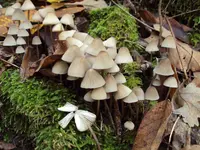
To expand a colony, move a small clump of actively colonized substrate (white mycelium in decaying wood or litter) to a similar, shaded, moist spot rather than trying to sow spores directly on bare soil.

Maintain Leaf Litter

Avoid raking away all leaf litter in the fruiting area; instead keep a thin, loose layer of mixed leaves over the soil to protect mycelium from drying and to supply ongoing organic matter.

Gentle Harvest Method

When collecting caps, pinch or cut them at the base instead of pulling, so the underground mycelium remains intact and can fruit repeatedly from the same site.

Microclimate Shading

If the site receives intermittent direct sun, place low boards, logs, or shade cloth close to the ground to create a cooler, dim, and wind-sheltered microclimate favorable for caring for Milking Bonnet.

Common Pests and Diseases

Mycena virus complex

This disease is linked to latent or symptomless mycoviruses that live inside the fungal cells and can subtly reduce vigor, spore production, and competitive ability in the forest floor community. Symptoms include patchy or weak fruiting where conditions otherwise appear favorable.

Solution

Management relies on environmental support rather than direct treatment: maintain stable, undisturbed leaf litter, avoid chemical contamination of the site, and keep the habitat moist but not waterlogged to favor overall mycelium health while limiting stress that can amplify viral impact.

Parasitic Mycena species

This disease develops when closely related Mycena species establish on or within existing fruiting bodies and mycelium, leading to rapid collapse, deformation, or discoloration of caps and stems. Symptoms include distorted mushrooms, uneven cap edges, and quick decay of fruiting patches.

Solution

Remove and discard visibly deformed or rapidly collapsing clusters to reduce local inoculum, and keep the substrate layer well aerated with mixed leaf litter and small wood pieces so that the primary Mycena galopus mycelium remains competitive against parasitic relatives.

Mycophagous fly larvae

These insects use the mushrooms as both food and nursery, with adult flies laying eggs on young caps and larvae tunneling through the stems and gills. Symptoms include hollow stems, soft or waterlogged caps, and visible small white maggots inside damaged fruiting bodies.

Solution

Harvest or remove young, intact mushrooms promptly so larvae have less time to develop, clear and dispose of heavily infested fruiting bodies away from the site, and encourage good air movement at ground level by avoiding thick plastic mulches that trap moisture and favor adult fly activity.

Fungus gnat larvae

This pest targets the moist organic substrate around the mycelium rather than only the visible mushrooms, with larvae feeding on fine mycelial threads and emerging pins. Symptoms include poor or aborted fruiting, tiny bite marks on stems, and presence of small dark adult gnats hovering close to the substrate surface.

Solution

Allow the upper few millimeters of the substrate to dry slightly between heavy wettings while keeping deeper layers moist, use fine mesh or physical barriers on cultivation boxes if grown in controlled setups, and remove decaying organic debris that stays soggy for long periods, which limits breeding sites and helps with Mycena galopus care instructions.

Interesting Facts

Milk-like latex

When the fruiting body is cut or broken, it exudes a white, milk-like latex from the stem, which quickly turns violet to almost black on exposure to air due to oxidative chemical reactions in the pigment compounds.

Antifungal chemical defense

This species produces benzoxepine-derived compounds in its latex that inhibit the growth of certain parasitic fungi, protecting its own mycelium in the competitive leaf-litter environment.

Leaf-litter specialist

The fungus commonly fruits on decaying leaves, especially under beech and other broadleaf trees in temperate forests, where it plays a role in breaking down leaf litter and recycling nutrients into the soil.

Botan icon

Did you know?

The benzoxepine compounds from its darkening latex have been shown in laboratory studies to act as chemical defenses that selectively target and suppress fungal parasites without completely halting other microbial decomposers, illustrating a finely tuned ecological strategy for competition in forest litter.

FAQs about Milking Bonnet

This small woodland mushroom is considered inedible. It is not known as a culinary species and may cause stomach upset if eaten. Identification can be difficult, so it should not be collected for food.

Grow Healthy Plants with Botan Care

Keep your plants happy and healthy with plant identification, disease detection, and easy care guidance.

Botan plant care app — identify plants on mobile

Explore More Plants