Trembling Phlebia Care (Phlebia tremellosa)

Also known as: Jelly Rot
Trembling Phlebia

About Trembling Phlebia

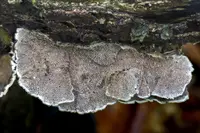
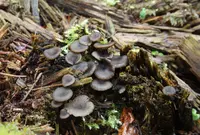
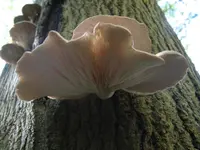
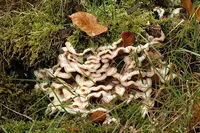
Trembling phlebia (Phlebia tremellosa) is a wood-decay fungus rather than a leafy houseplant. It forms soft, jelly-like, wavy crusts on dead or dying hardwood, often with a pale, creamy to pinkish color and a finely frilled surface. The fruiting bodies can appear in overlapping patches that seem to ripple or tremble when touched.

This species is native to temperate forests in Europe, North America, and parts of Asia, where it plays an important role in decomposing fallen branches and logs. It is not commonly cultivated, but understanding how to care for Trembling Phlebia mainly involves providing consistently moist, shaded wood and cool, well-ventilated conditions that mimic its natural forest habitat.

Main Plant Requirements

Care Difficulty

Moderate Care

Light Preference

Shade

Water Requirements

Keep Soil Moist

Temperature Preference

Cool Climate

Hardiness Zone

Unknown

Soil Texture

Loamy, Silty, Organic-rich

Soil pH

Acidic (5.5–6.5)

Soil Drainage

Moist but well-drained

Fertilization

Minimal (feed rarely)

Get Personalized Care Plan

Scan your plant to receive care tips personalized for your specific plant

Available on iOS and Android

How to Care for the Trembling Phlebia

This wood-decaying fungus favors shaded, forest-like light rather than direct sun exposure.

  • Aim for dappled or filtered light under trees, with no more than 1–2 hours of weak morning sun and full protection from strong midday and afternoon sun.
  • Site Trembling Phlebia on the north or east side of logs or stumps, where canopy cover or structures block direct rays for most of the day.
  • In summer, increase shade if edges fade or dry rapidly; in winter, reduced day length is acceptable as long as the substrate stays moist and not fully exposed.

This fungus needs consistently moist, not waterlogged, wood or woody debris to fruit well.

  • Keep the substrate (logs, stumps, or woody mulch) evenly moist; surfaces should feel damp but not dripping when pressed by hand.
  • Increase watering or misting during dry, windy, or hot spells so the outer 1–2 cm of wood does not turn pale, crack, or feel dry and rough.
  • Reduce soaking in cool, wet seasons to avoid standing water or foul odors, which indicate anaerobic, overly saturated conditions that limit healthy growth of Phlebia tremellosa.

This species prefers cool to mild conditions and declines in prolonged heat or hard frost.

  • Best fruiting typically occurs around 50–68°F (10–20°C), with steady moisture and shade on decaying wood in woodland or woodland-like settings.
  • Growth often slows below about 40°F (4°C), and fruiting bodies can be damaged by repeated hard frosts below 25°F (−4°C), though the underlying mycelium may persist in the wood.
  • Sustained temperatures above 80°F (27°C), especially with low humidity, dry the substrate and can cause shriveling; provide deeper shade and moisture during hot spells to buffer these extremes.

This wood-decaying fungus tolerates a wide humidity range and rarely needs special humidity management outdoors.

This bracket-like fungus grows on dead or decaying wood rather than in soil, so focus on the substrate instead of potting mixes.

  • Provide well-rotted hardwood logs or thick branches with a moist, fibrous structure that mimics decaying forest wood.
  • Ensure the wood drains freely after rain but retains internal moisture; avoid permanently waterlogged or fully dried-out substrate.
  • Keep the substrate slightly acidic to neutral (around pH 5.5–7) by using untreated, non-alkaline wood free from concrete dust or lime.
  • Avoid burying the wood in dense soil; leave plenty of air contact around it to prevent anaerobic (oxygen-poor) rot.

This species is not suitable for conventional container growing, as it naturally colonizes wood rather than soil-filled pots.

This wood-decaying fungus usually gains all required nutrients from its substrate and does not need conventional fertilizing in gardens or containers.

Phlebia tremellosa does not need structured pruning, but minor hygiene trimming can help in cultivation or observational setups.

  • Remove only clearly dead, moldy, or contaminated substrate pieces, leaving healthy fruiting bodies intact.
  • Carry out any cleaning after the main fruiting phase, allowing full spore release first.
  • Use clean, sharp scissors or a knife to avoid tearing delicate tissue and spreading contaminants.
  • Avoid shaping cuts; pruning here is purely sanitary and does not improve growth or yield.

This species is not typically potted like a houseplant, but its colonized substrate can be moved or renewed when productivity declines.

  • Transplant or refresh substrate when fruiting decreases, the wood is fully decomposed, or contamination appears.
  • Time moves for cool, moist periods that match the species’ natural fruiting seasons, avoiding heat waves or drought.
  • Frequency is low; one fresh, suitable log or block can support growth until it is largely decomposed.
  • Minimize stress by moving intact substrate, keeping moisture stable, and avoiding direct sun and wind during and after relocation.

Cultivation of this fungus is specialized and usually handled by experienced growers rather than casual gardeners.

In its natural range this fungus is cold hardy and normally needs no deliberate winter care.

  • Outdoor colonies on logs or stumps tolerate freezing conditions common in temperate climates.
  • If grown on movable substrate, simply leave it in a shaded, naturally moist, outdoor spot year-round.
  • Avoid bringing colonized wood into very dry heated indoor air, which can over-dry the substrate and reduce future fruiting.

Care Tips

Substrate inoculation

Introduce small pieces of already colonized wood or bark into fresh hardwood logs or chips to speed up establishment and create a more uniform mycelial network when growing Trembling Phlebia outdoors.

Moisture-retentive habitat

Lay partially decayed hardwood branches directly on shaded soil or among leaf litter, then cover lightly with fallen leaves to maintain stable surface humidity around the fungus without constant watering.

Log orientation management

Position host logs so the cut faces are slightly tilted and not touching bare soil, which reduces waterlogging at the ends while still allowing the wood to stay evenly moist for mycelial spread.

Periodic habitat renewal

Every 2–4 years, add new pieces of suitably sized hardwood to the same area so the colony can gradually move into fresher material as older wood becomes completely decomposed.

Minimal disturbance zone

Mark and reserve a small patch where the host wood sits undisturbed, avoiding raking, heavy foot traffic, or frequent handling so the delicate fruiting bodies and underlying mycelium are not damaged.

Common Pests and Diseases

Parasitic molds

This disease appears when other aggressive molds or fungi overgrow and parasitize the fruiting bodies, causing discoloration, surface fuzz, and collapse of the soft layers.

Solution

Remove and discard heavily overgrown or collapsed clusters, then reduce excess moisture and improve airflow around the dead wood substrate to discourage competing molds; avoid covering or enclosing the substrate so the surface can dry slightly between wet periods.

Fungal gnats

These insects are small, dark, mosquito-like flies that are attracted to constantly damp, decaying wood around the fungus, where their larvae develop.

Solution

Reduce standing moisture and avoid waterlogged conditions at the base of the substrate, use fine mesh or sticky traps to intercept adults, and, if infestation is heavy, apply a biological larvicide based on Bacillus thuringiensis israelensis (Bti) to the moist wood or organic matter where larvae feed.

Springtails

This pest consists of tiny, jumping insects that thrive in very wet, organic substrates and may graze lightly on delicate fungal tissue while feeding mainly on decaying matter and biofilms.

Solution

Lower overall moisture by allowing the wood or substrate surface to drain and dry slightly between wet periods, increase ventilation, and physically rinse or brush off excess springtails from accessible fruiting bodies and surrounding surfaces if their numbers become very high.

Slug and snail damage

These pests feed on the soft, gelatinous folds of the fruiting body, leaving irregular holes, shredded edges, and slime trails on or near the fungus.

Solution

Hand-pick slugs and snails in the evening or early morning, use barriers such as copper tape or sharp grit on containers or stands supporting the wood, and, if needed, place iron phosphate-based slug baits away from direct contact with the fungal tissue.

Bacterial soft decay

This disease develops in very stagnant, wet conditions and causes sections of the fungus to become watery, slimy, and foul-smelling as bacterial colonies break down the tissue.

Solution

Cut away and discard the affected soft, foul-smelling portions, then improve air circulation and reduce prolonged surface wetness on the wood and fruiting bodies; avoid direct overhead watering that keeps the fungus constantly wet and favor brief wetting followed by good ventilation as part of Phlebia tremellosa care instructions.

Interesting Facts

Gelatinous bracket form

This fungus forms soft, gelatinous, wavy brackets on dead hardwood, often with a translucent, trembling surface that gives rise to its common name trembling crust or jelly rot. The fruiting body can look almost brain-like when moist, then shrivels and hardens as it dries.

White rot specialist

It is a white rot fungus that breaks down both lignin and cellulose in wood, leaving behind whitish, stringy, and often spongy remains. By efficiently decomposing these structural components, it plays an important role in nutrient cycling in temperate forests.

Distinctive spore surface

The underside of the fruiting body has a wrinkled to folded, sometimes labyrinth-like fertile surface rather than distinct pores or gills. This hymenial surface produces microscopic spores that are spread mainly by air currents in damp forest air.

Botan icon

Did you know?

Molecular and morphological studies show that traditional concepts of the genus Phlebia are not strictly natural groups, and Phlebia tremellosa has been important in research that reshapes how crust and jelly fungi in the order Polyporales are classified and understood evolutionarily.

FAQs about Trembling Phlebia

This wood-decaying fungus spreads by producing thin, resupinate fruiting patches that can merge into larger colonies on dead or dying wood. It is not considered aggressive in managed gardens but can extensively colonize suitable fallen logs.

Grow Healthy Plants with Botan Care

Keep your plants happy and healthy with plant identification, disease detection, and easy care guidance.

Botan plant care app — identify plants on mobile

Explore More Plants