Trametes villosa Care

Trametes villosa

About Trametes villosa

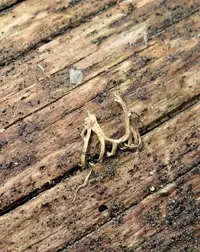
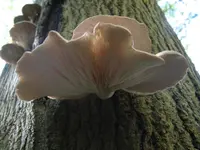
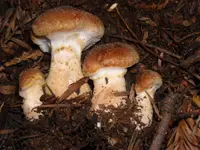
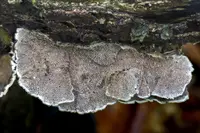
Trametes villosa is a wood-decaying bracket fungus, not a leafy houseplant. It forms thin, semicircular caps that overlap in layers on dead or decaying wood. The surface often shows soft, hairy textures and subtle color zones, giving logs and fallen branches a patterned look.

This species occurs mainly in tropical and subtropical regions, especially on hardwood logs and stumps in forests and urban green spaces. It is not commonly grown indoors, but understanding how to care for Trametes villosa helps when maintaining wood-rich, moist garden habitats.

It thrives in shaded, humid environments with plenty of decaying wood, where it plays an important role in breaking down tough plant material and recycling nutrients.

Main Plant Requirements

Care Difficulty

Moderate Care

Light Preference

Partial Shade

Water Requirements

Keep Soil Moist

Temperature Preference

Warm Climate

Hardiness Zone

Unknown

Soil Texture

Organic-rich, Loamy

Soil pH

Acidic (5.5–6.5)

Soil Drainage

Moist but well-drained

Fertilization

Minimal (feed rarely)

Get Personalized Care Plan

Scan your plant to receive care tips personalized for your specific plant

Available on iOS and Android

How to Care for the Trametes villosa

This wood-decaying fungus prefers shaded woodland conditions rather than direct open sun.

  • Provide dappled or filtered light equivalent to bright forest shade, such as under a tree canopy receiving only 1–3 hours of weak morning sun.
  • Avoid strong midday or afternoon sun, which can dry the substrate rapidly and reduce Trametes villosa fruiting and longevity.
  • In summer, increase shade or filter light more heavily; in winter, slightly more indirect light is acceptable as long as the substrate does not dry out quickly.

Moist, not waterlogged, woody substrates support the most stable growth.

  • Maintain the host wood or log evenly moist; allow the outer 0.5–1 cm of wood surface to dry slightly before rewetting with a thorough soak.
  • Ensure excess water can drain or run off so the wood does not stay submerged, which encourages anaerobic conditions and foul odor rather than healthy Trametes villosa colonies.
  • During hot or windy periods, check moisture more often; cracking or very light-weight wood suggests underwatering, while slimy, foul-smelling patches indicate chronic overwatering.

This species develops best in mild, temperate woodland conditions rather than climatic extremes.

  • Aim for an optimal growth range around 60–77°F (16–25°C), where mycelial activity and fruiting are typically most consistent.
  • Protect the substrate from hard frost; short dips to 28–32°F (-2–0°C) may be tolerated, but repeated freezing can damage developing fruiting bodies.
  • In summer, shade the wood and maintain moisture if temperatures rise above 86°F (30°C), since prolonged heat and dryness can halt growth and cause fruiting bodies to become brittle.

This wood-decay fungus does not need controlled air humidity in typical outdoor conditions.

This bracket fungus grows on wood rather than in soil, so typical potting soil preparation is not relevant.

  • Trametes villosa normally colonizes dead or decaying hardwood, using the lignin- and cellulose-rich tissue as its substrate instead of mineral soil.
  • For cultivation trials, provide untreated hardwood logs or thick branches rather than any soil-based or peat-based medium.
  • Keep the wooden substrate evenly moist but not submerged; standing water quickly limits oxygen and can favor competing molds.
  • Avoid chemically treated, painted, or heavily resinous woods, which can inhibit fungal colonization and fruiting.

This species is not naturally suited to conventional container growing, but it can be maintained on wood pieces placed in trays or shallow boxes for observation.

  • Use a shallow, well-ventilated tray that allows moist air exchange around the colonized wood without trapping stagnant water.
  • Elevate the wood pieces slightly above the tray base so any drained water collects below and does not keep the substrate waterlogged.
  • Choose a container material that does not stay cold and wet for long periods, as prolonged saturation can slow fungal activity and encourage bacterial growth.

This wood-decaying fungus grows on nutrient-rich dead wood and does not need supplemental fertilizer in normal conditions.

As a bracket fungus, Trametes villosa does not benefit from horticultural pruning in the usual sense.

Cultivation focuses on establishing this fungus on suitable woody substrate rather than classic repotting.

  • Transplant only as spawn or colonized wood, not as a free-standing fruiting body.
  • Start new cultures on fresh, clean hardwood logs or sterilized sawdust during mild weather.
  • Avoid frequent disturbance; fungal mycelium needs time to penetrate and stabilize in the new substrate.
  • Keep newly colonizing material evenly moist but not waterlogged to limit stress on the developing mycelium.

Propagation relies on spreading mycelium rather than conventional plant techniques.

  • Use plug spawn, grain spawn, or colonized sawdust to inoculate fresh hardwood logs or blocks.
  • Carry out inoculation in spring or early summer when temperatures are mild and stable.
  • Drill holes or open channels in the substrate, insert spawn, then seal with wax or tape to retain moisture.
  • Maintain high humidity, shaded conditions, and good air exchange to support mycelial growth and eventual fruiting.

Established colonies on outdoor logs are generally hardy and need minimal winter care in temperate climates.

  • Leave colonized logs in a shaded, naturally moist spot with good drainage so they do not sit in standing water.
  • In very cold regions, add a light mulch of leaves around log bases to moderate freeze–thaw cycling.
  • For container-based culture, keep substrate just slightly moist and sheltered from severe drying winds.

Care Tips

Select suitable logs

Use freshly cut, disease-free hardwood logs (such as oak or beech) 8–15 cm in diameter and inoculate them within 2–4 weeks of cutting for the best colonization and yield when growing Trametes villosa.

Optimize inoculation pattern

Drill holes in a staggered diamond pattern 10–15 cm apart along the log, fill firmly with spawn, and seal with food-grade wax so the mycelium can colonize evenly and outcompete contaminants.

Control moisture in logs

Soak inoculated logs in clean, non-chlorinated water for 12–24 hours before the first fruiting season, then maintain them in a shaded, wind-sheltered spot where the wood stays moist but not waterlogged.

Stack for airflow

Arrange colonized logs in a lean-to or crib stack so that each log has some air space around it, which reduces stagnant moisture and lowers the risk of mold during long-term Trametes villosa care.

Monitor colonization progress

Check log ends every few months for white mycelial growth and a lighter, mottled appearance, and delay moving logs or soaking them until colonization has reached close to the outer edge.

Common Pests and Diseases

Bark beetles

These insects tunnel into dead or dying wood where fruiting bodies develop, disrupting the substrate and potentially drying it out. Symptoms include small round exit holes, fine wood dust, and rapid desiccation of colonized logs or branches.

Solution

Remove and destroy heavily infested wood to prevent further spread, and store colonized logs off the ground in a dry but shaded, well‑ventilated place. For valuable culture material, use fresh, sound hardwood, debark if needed, and cover with fine mesh or insect netting to reduce beetle access while maintaining airflow.

Sap beetles

These insects are attracted to moist, decaying wood and can feed on or scar the developing basidiocarps, leaving pitted or chewed surfaces. This pest also carries competing fungi and bacteria that may colonize wounds on the fruiting bodies.

Solution

Harvest fruiting bodies promptly once mature, and remove any overripe or decaying tissue that attracts beetles. Keep culture areas clean, avoid leaving exposed sugary baits nearby, and use fine mesh screens or physical barriers around logs or culture racks to reduce beetle entry.

Mite infestations

These insects are tiny arthropods that graze on fungal tissue and spores, causing a roughened, patchy surface on fruiting bodies and reduced spore production. Symptoms include dull, abraded pore surfaces and fine moving specks visible with a hand lens.

Solution

Improve ventilation and avoid overly damp, stagnant microclimates that favor mite build‑up, and physically remove heavily affected basidiocarps. For culture setups, quarantine infested batches, clean shelving and tools thoroughly, and, where allowed, use sticky traps or heat treatment of empty equipment to reduce mite populations as part of Trametes villosa care instructions.

Green mold contamination

This disease is typically caused by Trichoderma species that colonize the same wood substrate, outcompeting the fungus and forming dense green patches on the surface. Symptoms include rapid overgrowth of bright to dark green mycelium, suppressed basidiocarp formation, and a musty odor.

Solution

Cut out and discard heavily contaminated sections of substrate, and avoid moving tools from infected to clean material without cleaning. Use only clean, freshly cut hardwood, reduce excess free water, and maintain good airflow so surfaces dry slightly between wetting events, which makes conditions less favorable for Trichoderma spread.

Bacterial soft rot

This disease develops in very wet, poorly ventilated conditions and causes localized water‑soaked, slimy areas on fruiting bodies, often with discoloration and a sour smell. Symptoms include collapsing pore surfaces and tissue that breaks down into a soft, mucilaginous mass.

Solution

Remove and dispose of affected fruiting bodies, then adjust moisture management by reducing direct wetting and improving air movement around the substrate. Avoid overhead watering or prolonged surface wetness, and ensure logs or culture blocks are raised off saturated surfaces so that excess moisture can drain freely.

Interesting Facts

Host preference patterns

This species shows a clear preference for decaying hardwoods, especially tropical and subtropical angiosperms, and is only rarely reported from conifer wood, which helps mycologists distinguish it from more generalist Trametes species in the field.

White rot specialist

Trametes villosa is a white rot fungus that degrades both lignin and cellulose in wood, leaving a pale, fibrous residue and playing a key role in carbon cycling in warm-climate forests.

Distinctive hairy surface

The upper surface of its fruiting bodies is covered with dense, villous (hair-like) tomentum, a trait reflected in the species name villosa and used as a key macroscopic character for identification.

FAQs about Trametes villosa

This bracket fungus spreads steadily across dead hardwood but is not aggressively invasive in gardens. It colonizes logs and stumps where conditions stay moist, gradually forming layered shelves rather than rapidly overrunning large areas.

Grow Healthy Plants with Botan Care

Keep your plants happy and healthy with plant identification, disease detection, and easy care guidance.

Botan plant care app — identify plants on mobile

Explore More Plants