Substrate depth control
Use a shallow layer (2–4 cm) of well-decayed hardwood chips or beech/oak leaf litter so the mycelium can access oxygen easily and fruit reliably instead of being buried too deep.

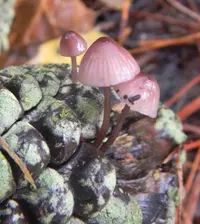
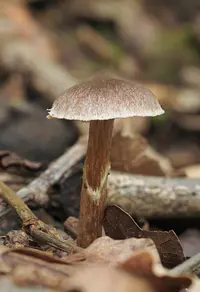
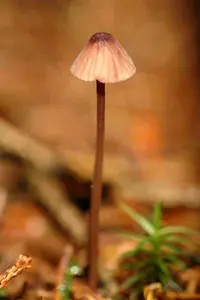
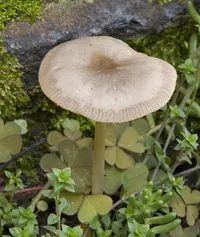
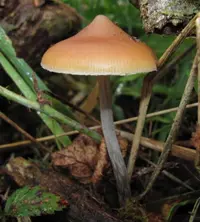
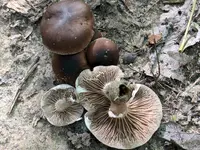
The purple-edge bonnet, Mycena purpureofusca, is a small woodland mushroom rather than a typical houseplant. It produces delicate, bell-shaped caps with subtle purple tones along the margins. Slender stems and clustered growth give it a fragile, intricate look on decaying wood.
This species is native to temperate forests in Europe and North America, where it grows on rotting conifer wood and other woody debris. It is challenging to cultivate indoors because it depends on decaying wood and stable forest-like humidity. For those who want to care for purple-edge bonnet, it responds best to cool, shaded conditions and consistently moist, well-aerated wood-based substrates.

Care Difficulty
Hard Care

Light Preference
Shade

Water Requirements
Keep Soil Moist

Temperature Preference
Cool Climate

Hardiness Zone
Unknown

Soil Texture
Loamy, Peaty, Organic-rich

Soil pH
Strongly acidic (4.5–5.5), Acidic (5.5–6.5)

Soil Drainage
Moist but well-drained

Fertilization
Minimal (feed rarely)
Scan your plant to receive care tips personalized for your specific plant
Available on iOS and Android
This woodland fungus prefers low, cool light similar to a shaded forest floor.
Mycena purpureofusca needs consistently moist, not waterlogged, substrate to fruit well.
This species favors cool, moist conditions similar to a temperate forest floor.
This fungus needs consistently high humidity to fruit and persist in cultivation.
Mycena purpureofusca develops best on moist, airy, organic-rich substrate rather than standard potting soil.
This species can be maintained in containers if they are set up as moist, ventilated microhabitats rather than standard plant pots.
This saprophytic mushroom gains nutrients from decaying wood and generally does not need additional fertilizer.
Pruning is not a care practice for Mycena purpureofusca, since individual mushrooms are short-lived fruiting bodies rather than a long-term plant structure.
This species is typically left in situ on decaying wood or forest substrate rather than grown in containers or transplanted.
Propagation of Mycena purpureofusca is specialist work and is usually done only in laboratory or controlled culture settings, not in home collections.
Outdoor populations of purple-edge bonnet are naturally cold hardy and do not require intentional winter care or protection.

Plant Health Check
Not sure what's wrong with your plant? Check your plant's health inside the app.
The species is named for its distinctive purple to violet edges on the gills, which remain visible even as the cap color fades with age.
This fungus typically fruits on well-decayed conifer needles and woody debris, especially under spruce and fir, helping break down tough lignin-rich material in forest floors.
The stem is unusually tough and wiry for such a small mushroom, a trait that helps it remain standing among dense needle litter and moss in damp forest habitats.

This species was first described in the 19th century from European material but is now known from both Europe and North America, making it a useful indicator of similar cool, moist conifer forest habitats across two continents.
This fungus is not suited to typical indoor culture. It grows best outdoors in cool, moist, shaded woodland conditions on decaying conifer wood or other damp woody debris, where the mycelium can spread through the substrate.
Keep your plants happy and healthy with plant identification, disease detection, and easy care guidance.