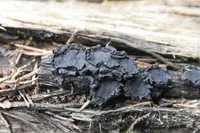
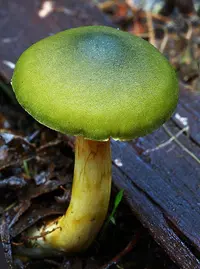
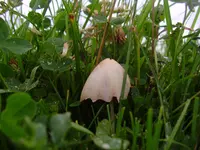
pink bonnet Care (Mycena rosella)

pink bonnet

About pink bonnet

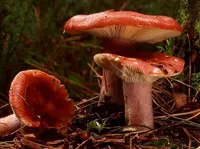
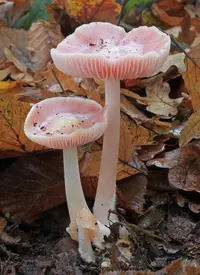
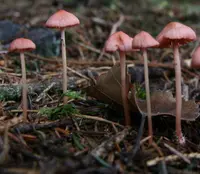
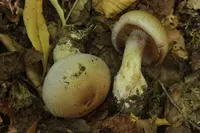
Pink bonnet, Mycena rosella, is a small saprophytic fungus that breaks down dead wood and leaf litter in forests. It forms delicate, bell-shaped caps in soft pink tones on thin stems.

This mushroom typically appears in cool, damp woodland areas, often on decaying sticks and branches. It does not behave like a typical houseplant and is challenging to maintain outside its natural habitat.

Those who want to explore how to care for pink bonnet should know it needs consistently cool, moist, shaded conditions and plenty of decaying organic material. Its sensitivity to drying and temperature change makes long-term cultivation difficult for most home growers.

Main Plant Requirements

Care Difficulty

Hard Care

Light Preference

Shade

Water Requirements

Keep Soil Moist

Temperature Preference

Cool Climate

Hardiness Zone

Unknown

Soil Texture

Loamy, Peaty, Organic-rich

Soil pH

Strongly acidic (4.5–5.5), Acidic (5.5–6.5)

Soil Drainage

Moist but well-drained

Fertilization

Minimal (feed rarely)

Get Personalized Care Plan

Scan your plant to receive care tips personalized for your specific plant

Available on iOS and Android

How to Care for the pink bonnet

This small woodland fungus thrives in low, forest-floor light rather than direct sun.

  • Provide full to dappled shade with only brief early-morning sun; 0–2 hours of weak direct light per day is enough for Mycena rosella.
  • Grow among leaf litter under shrubs or trees where overhead canopy filters and scatters light all day.
  • Avoid strong midday or afternoon sun, which dries the substrate quickly and can halt fruiting, especially in summer months.

This fungus depends on consistently moist, not waterlogged, organic matter to form fruiting bodies.

  • Maintain evenly moist leaf litter or decaying wood; surface should feel damp but not soupy when pressed with a finger.
  • Improve drainage with loose, airy material so water drains within a few seconds yet the substrate stays slightly spongy.
  • Increase moisture in warm, dry periods by misting the substrate lightly, and reduce input if white moldy patches or rotten smells appear.

This species fruits best in cool, moist conditions typical of shaded woodland floors.

  • Aim for 50–65°F (10–18°C) as the primary fruiting range, with short peaks up to about 70°F (21°C) tolerated if humidity stays high.
  • Below about 40°F (4°C), visible growth slows or stops, though the hidden mycelium can often persist until conditions improve.
  • Protect from extreme heat above 77°F (25°C) and from drying winds, which can desiccate fruiting bodies within hours, especially in exposed sites.

This saprotrophic fungus needs consistently moist, humid conditions to fruit reliably.

  • Aim for 70–90% humidity around developing caps and stems, especially if attempting pink bonnet indoor care.
  • In dry household air below ~50%, caps may dry, curl, and stop expanding before spore release.
  • Use a covered but ventilated terrarium or humidity tent to trap moisture while still allowing fresh air exchange.
  • Mist substrate surfaces lightly rather than soaking, keeping them evenly damp without standing water.

Mycena rosella fruits best on loose, organic-rich, consistently moist substrate rather than conventional garden soil.

  • Use finely shredded hardwood leaf litter mixed with well-rotted wood chips and a small amount of compost for nutrients.
  • Keep the substrate loose and airy so mycelium can spread; avoid compacted mixes that hold stagnant water.
  • Aim for slightly acidic to neutral conditions around pH 5.5–7.0, which favor most woodland saprotrophic fungi.
  • Improve drainage and aeration by mixing in coarse bark fines or a small proportion of perlite while still maintaining high organic content.

This woodland mushroom is difficult but possible to maintain in containers when replicating forest-floor conditions.

  • Choose a wide, shallow container to maximize horizontal substrate surface where fruiting bodies can emerge.
  • Use opaque or dark-sided containers to shield the substrate from light and reduce surface moisture loss.
  • Elevate the container slightly so any excess moisture can drain freely and air can circulate under the base for cooler, more stable conditions.

Mycena rosella is a small woodland fungus that generally requires no additional fertilizer when grown on suitable decaying wood or rich leaf litter.

Mycena rosella does not benefit from conventional pruning, as each mushroom is short-lived and naturally replaced by new fruiting bodies from the fungal mycelium.

This species is best managed by adjusting its woody or leaf-litter substrate rather than by classic repotting of individual fruiting bodies.

  • Move colonized wood or leaf litter only if the mycelium mat has spread extensively and the current location is drying or becoming disturbed.
  • Transplant during cool, moist periods, gently lifting the substrate block to keep the fine mycelium network intact.
  • Place the colonized material onto fresh, similar organic matter (e.g., comparable wood or litter) to encourage continued colonization.
  • Water lightly after moving to settle the substrate, then maintain steady moisture without waterlogging to reduce stress on the mycelium.

Propagation of Mycena rosella is done by spreading its mycelium in suitable organic material rather than by standard plant techniques like cuttings or division.

  • Use spore prints on moist, sterile wood-based or leaf-litter substrates if attempting controlled culture, keeping conditions cool and shaded.
  • Alternatively, inoculate fresh, similar substrate pieces with small chunks of colonized wood or litter so the mycelium can grow into new material.
  • Aim for cool temperatures, high humidity, and very low light, which support mycelial spread and later mushroom formation.
  • Minimize disturbance of the colonized substrate, as breaking the mycelium network can slow or prevent successful expansion.

This woodland fungus is naturally cold hardy in temperate climates and usually needs no special winter care beyond stable habitat conditions.

Care Tips

Use hardwood debris

When preparing a substrate, mix finely chipped or shredded well-aged hardwood (beech, oak, birch) into the base medium to mimic the natural woodland litter that supports pink bonnet fruiting.

Maintain cool cycles

Rotate cultures through a slightly cooler night phase (about 3–5°F lower than daytime) to encourage more natural, compact fruiting bodies and reduce stress on the mycelium.

Control air exchange

Provide gentle but regular fresh air exchange using a vented container or loosely fitted lid to prevent carbon dioxide buildup, which can cause elongated, weak stems and lower cap quality.

Prevent bacterial buildup

Between fruiting cycles, remove spent mushroom tissues and lightly scrape off any soft, slimy substrate patches to limit bacterial growth that can outcompete the mycelium when growing pink bonnet.

Use low-intensity light

Position culture boxes where they receive low, diffuse light (or a dim LED on a timer) to help orient fruiting bodies without overheating or drying the delicate caps during caring for pink bonnet.

Common Pests and Diseases

fungal parasitism

This disease involves other fungi colonizing the fruiting bodies and causing deformation, discoloration, or rapid collapse. Symptoms include powdery, fuzzy, or slimy growths on caps and stems, often in very humid, stagnant conditions.

Solution

Remove and discard affected mushrooms promptly, reduce constant surface wetness by improving airflow, and avoid overhead watering or misting directly onto caps if cultivating indoors or in terraria. Refresh substrate or forest litter if heavy contamination persists, and maintain moderate humidity with good ventilation to limit competing fungi when trying to grow Mycena rosella.

fungivorous springtails

These insects are small, jumping arthropods that feed on decaying organic matter and delicate fungal tissues, sometimes grazing young pins and gills. Symptoms include pitted or chewed cap surfaces and visible tiny white or gray insects moving quickly across the substrate.

Solution

Reduce excess moisture in the substrate while keeping it slightly damp, and improve ventilation so surfaces are not constantly wet. If populations are high in a contained setup, physically remove infested substrate patches, use fine mesh barriers, and introduce yellow sticky traps nearby to help reduce numbers without directly contacting the mushrooms.

fungus gnat larvae

This pest occurs when adult gnats lay eggs in damp, organic substrates and the larvae feed on fine fungal mycelium and bases of small fruiting bodies. Symptoms include weak, collapsing stems, damaged mycelial mats, and small black adult gnats flying near the growing area.

Solution

Allow the top layer of substrate or leaf litter to become slightly less wet between waterings, and improve air movement to discourage egg laying. Use fine mesh over vents, place yellow sticky traps to catch adults, and, in closed cultivation, consider a biological control such as Bacillus thuringiensis israelensis in the substrate, following label directions and avoiding direct contact with visible fruiting bodies.

slugs and snails

These pests feed on soft mushroom tissue, often consuming caps overnight and leaving irregular holes and slime trails. Symptoms include missing or shredded fruiting bodies and shiny mucus on nearby surfaces.

Solution

Hand-pick slugs and snails in the evening, reduce dense ground cover immediately around the fruiting zone, and use physical barriers such as copper tape or coarse grit around cultivation containers. In garden settings, deploy beer traps or shelter boards as lures, then remove collected slugs away from the mushroom patch to limit damage while maintaining overall moisture for pink bonnet indoor care.

Interesting Facts

Delicate pink pigments

This species is recognized by its pale to deep pink caps and often pink-tinged stems, which are caused by water-soluble pigments that can fade with age or heavy rain, making older fruiting bodies appear paler or almost whitish.

Specialized habitat preference

It typically fruits on fallen twigs, small branches, and woody debris of broadleaf trees, especially birch, indicating a saprotrophic lifestyle where it recycles dead wood into simpler nutrients within temperate forests.

Dextrinoid spore reaction

Its spores show a dextrinoid reaction, turning reddish-brown in Melzer’s reagent, which helps mycologists distinguish it from similar small pink Mycena species during microscopic identification.

Botan icon

Did you know?

This fungus was first described in the early 19th century and has undergone multiple taxonomic revisions, illustrating how microscopic traits and modern mycological methods have refined the understanding of relationships within the genus Mycena over time.

FAQs about pink bonnet

This fungus grows best outdoors in cool, moist, shaded environments with decaying wood or leaf litter. Indoor cultivation is very difficult because it needs stable humidity, airflow, and a constant supply of appropriate rotting organic material.

Grow Healthy Plants with Botan Care

Keep your plants happy and healthy with plant identification, disease detection, and easy care guidance.

Botan plant care app — identify plants on mobile

Explore More Plants