Mycena roseoflava Care

Mycena roseoflava

About Mycena roseoflava

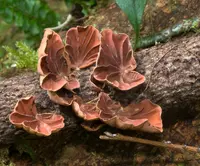
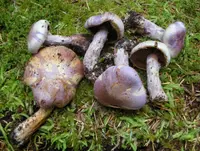
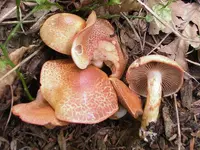
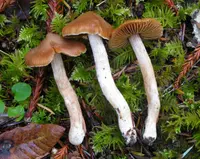
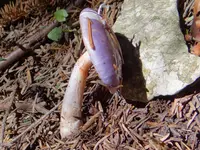
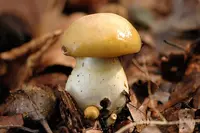
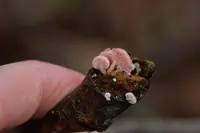
Mycena roseoflava is a small saprophytic mushroom that grows on decaying wood and leaf litter. It belongs to a large group of forest fungi that recycle organic matter. Caps are usually delicate, bell-shaped, and pinkish to rose-colored, with slender pale stems that create a light, fragile appearance on the forest floor. It typically occurs in moist, shaded woodland habitats, often in temperate regions. This species is not commonly cultivated, and its reliance on specific decomposing substrates makes it challenging for hobbyists to grow. Anyone looking into how to care for Mycena roseoflava should understand that it behaves more like a wild woodland fungus than a typical houseplant.

Main Plant Requirements

Care Difficulty

Hard Care

Light Preference

Shade

Water Requirements

Keep Soil Moist

Temperature Preference

Cool Climate

Hardiness Zone

Unknown

Soil Texture

Organic-rich, Peaty

Soil pH

Acidic (5.5–6.5)

Soil Drainage

Moist but well-drained

Fertilization

Minimal (feed rarely)

Get Personalized Care Plan

Scan your plant to receive care tips personalized for your specific plant

Available on iOS and Android

How to Care for the Mycena roseoflava

This woodland fungus prefers low to moderate natural light that mimics a shaded forest floor.

  • Provide bright shade or dappled light under shrubs or trees, avoiding direct sun for more than 1–2 hours, especially at midday.
  • Allow soft morning sun or heavily filtered light; Mycena roseoflava fruits best where leaf litter or understory plants break up direct rays.
  • Protect fruiting sites from intense summer sun, which can dry substrates quickly and shorten mushroom lifespan, especially in exposed or thin soils.

Moist, consistently damp substrate is essential for reliable fruiting of this fungus.

  • Maintain leaf litter, wood, or mulch evenly moist, letting only the top 1–2 cm begin to dry before rewetting, rather than following a fixed schedule.
  • Use gentle watering or misting so moisture penetrates the substrate without washing away fine debris or disturbing developing pins and caps.
  • Reduce watering frequency in cooler seasons but prevent complete drying; persistent standing water, sour smell, or slimy growth suggest excess moisture and poor aeration.

This species favors cool to mild conditions typical of shaded forest floors.

  • Aim for an active fruiting range of about 50–68°F (10–20°C), where mycelium and mushrooms develop most reliably in moist organic debris.
  • Avoid prolonged exposure below 32°F (0°C), since hard frost can damage fruiting bodies, though buried mycelium in protected substrates may survive brief cold spells.
  • Limit heat stress by keeping sites shaded and moist when temperatures rise above 77°F (25°C), as hot, dry conditions quickly halt growth and cause caps to collapse.

This delicate saprophytic mushroom prefers consistently moist, high-humidity environments around 70–90%.

  • Tolerates brief dips to 60%, but fruiting bodies dry, shrivel, and crack if air stays drier for long.
  • Watch for caps shrinking, edges curling, and faster-than-normal wilting as early signs of humidity stress.
  • Increase humidity by using closed or semi-enclosed setups, frequent fine misting, and moisture-retentive substrates rather than dry air exposure.

This fungus grows on decaying organic matter, so substrate preparation is more important than mineral soil choice.

  • Use a loose, fibrous mix dominated by well-rotted wood, leaf litter, and other organic-rich debris, not typical potting soil.
  • Maintain very high porosity so air can reach the mycelium, adding coarse wood chips or shredded bark to prevent compaction.
  • Keep drainage free yet moisture-retentive by avoiding dense clay or silt; standing water suffocates the fungal tissue.
  • Aim for slightly acidic to neutral conditions (about pH 5.5–7) and avoid lime-heavy materials that strongly raise pH.

This small woodland fungus is not naturally suited to conventional container growing, but controlled substrate tubs or boxes can be used for observation.

  • Use shallow, wide containers to spread substrate in a thin layer, which mimics forest-floor wood and litter distribution.
  • Select opaque or dark-sided containers to reduce light reaching the substrate and to limit surface green algae growth.
  • Drill side ventilation holes above the substrate level to balance high humidity with fresh air, reducing bacterial and mold overgrowth while keeping surfaces moist.

This small saprophytic mushroom typically grows on nutrient-rich decaying wood and does not benefit from extra fertilizer in cultivation.

Pruning is not applicable to this short-lived mushroom, which completes its life cycle quickly and then decomposes naturally.

In cultivation, focus on renewing the substrate rather than repotting, since this fungus depends on fresh decaying organic matter.

  • Replace the colonized substrate once fruiting declines or contamination appears, rather than trying to shift existing mycelium to a new container.
  • Prepare fresh, clean, well-hydrated wood-based substrate and introduce Mycena roseoflava via spores or colonized material.
  • Work gently to avoid compacting the substrate, which can reduce air flow and weaken mycelial growth.
  • Maintain stable moisture and moderate temperatures after setup to reduce stress on the developing mycelium.

Propagation is done by spreading spores or transferring live mycelium into fresh, suitable substrate.

  • Use spore prints from mature caps or small pieces of colonized substrate as inoculum for new containers.
  • Introduce spores or mycelium to sterile or pasteurized woody substrate in mild conditions around 60–70°F.
  • Keep the substrate evenly moist and shaded to support colonization and later fruiting.
  • Limit handling once inoculated to reduce contamination and mechanical damage to the fine mycelial network.

Outdoor colonies in mild climates usually need no specific winter care beyond stable substrate moisture.

  • In regions with hard frost, maintain colonies in a sheltered, frost-free area to avoid freezing of the thin fruiting bodies and substrate surface.
  • If grown in trays or containers, move them to an unheated but non-freezing space such as a garage or shed.
  • Avoid waterlogging in cold weather, since saturated, cold substrate increases the risk of decay and loss of mycelium.

Care Tips

Substrate rotation

Prepare several small trays or containers of fresh, pasteurized woody debris or leaf litter and rotate your culture onto a new substrate every 4–6 weeks to reduce contamination buildup and maintain vigorous fruiting bodies when growing Mycena roseoflava.

Low‑light acclimation

Start cultures in very low, diffuse light and only gradually increase light intensity over several days to avoid stressing the delicate fruiting bodies and to reduce drying of the substrate surface.

Targeted surface misting

Use a fine‑mist spray directed above, not directly on, the caps to raise local humidity and lightly moisten the substrate surface without physically damaging the small mushrooms.

Passive air exchange

Provide gentle, passive air exchange by loosening lids or adding small filtered vents rather than opening containers fully, which helps limit mold spores while preventing carbon dioxide buildup around the fruiting clusters.

Contamination monitoring

Inspect the substrate daily for fuzzy, fast‑spreading molds or unusual colors and promptly remove contaminated sections with a sterile tool to prevent competing fungi from overrunning the culture when caring for Mycena roseoflava.

Common Pests and Diseases

Fungus gnat larvae

This pest targets very damp fungal cultures, where larvae feed in and around the mycelium and fruiting bodies. Symptoms include thin, weakened stems, collapsed caps, and visible small black adult gnats hovering near trays or containers.

Solution

Reduce excess surface moisture, improve ventilation, and allow the substrate surface to dry slightly between misting while still maintaining internal humidity. Use fine mesh covers on vents, yellow sticky traps for adults, and, if necessary, a biological control such as Bacillus thuringiensis israelensis (Bti) applied according to label directions to the growing media.

Mite infestation

These insects are microscopic arthropods that can graze on mycelium and developing fruiting bodies, causing slow growth, deformed caps, or a sand-like moving layer on the substrate. This pest often appears in cultures kept continually warm and very humid with limited air movement.

Solution

Discard heavily infested cultures and start from clean, uncontaminated spawn or agar if possible. For mild issues, lower temperature slightly, increase airflow, keep surfaces clean, and use tight-fitting lids or filter patches to reduce mite entry while maintaining gas exchange during growing Mycena roseoflava.

Green mold (Trichoderma)

This disease is caused by a fast-growing competitor fungus that forms white mycelium turning bright to dull green, often overgrowing mushroom mycelium. Symptoms include stalled colonization, patchy growth, and a dusty green surface on the substrate or culture.

Solution

Isolate and discard contaminated cultures or trays, as Trichoderma spreads quickly and is difficult to remove once established. Clean all tools and containers with a suitable disinfectant, improve sterilization or pasteurization of substrates, and reduce handling and airborne dust near open cultures to prevent reinfection.

Bacterial blotch

This disease results from bacterial contamination on caps and stems, favored by stagnant, high humidity and persistent surface water. Symptoms include slimy, wet spots on fruiting bodies, off odors, and rapid tissue breakdown.

Solution

Increase fresh air exchange, avoid direct overhead water that leaves caps wet for long periods, and remove and discard any affected fruiting bodies promptly. Clean growing surfaces and tools, and keep humidity high but with intermittent drying of cap surfaces to limit bacterial growth.

Interesting Facts

Limited scientific records

This species is poorly documented in the mycological literature, with only a few verified records, so many details about its distribution, ecology, and microscopic features remain uncertain or unpublished.

Unstable online information

Information about this fungus circulating online often conflicts or lacks primary references, so mycologists treat many popular descriptions and photographs attributed to this name with caution.

Taxonomic uncertainty

The placement and limits of this species within the genus Mycena are not fully resolved, and additional modern studies using DNA sequencing are likely needed to confirm its status and relationships.

FAQs about Mycena roseoflava

This small mushroom is not considered edible. It is poorly studied, offers no culinary value, and similar Mycena species can be suspect. Treat it as inedible and avoid consumption, especially when teaching children about wild fungi.

Grow Healthy Plants with Botan Care

Keep your plants happy and healthy with plant identification, disease detection, and easy care guidance.

Botan plant care app — identify plants on mobile

Explore More Plants